
WPC Wall Cladding Installation Guide Step by Step
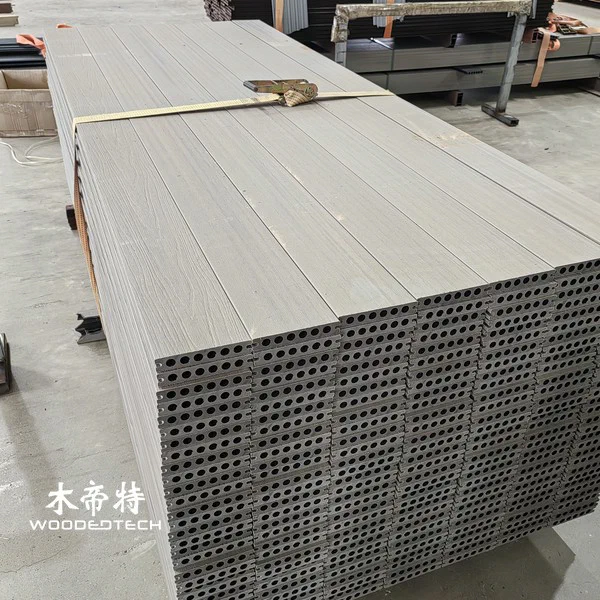
WPC wall cladding installation guide step by step helps contractors, distributors, and project buyers understand how to install wood plastic composite wall systems efficiently and consistently. It is designed to support fast site work, stable finishing quality, and lower maintenance after delivery.
What the guide covers
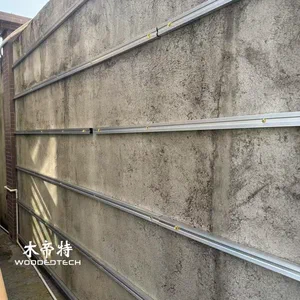
This guide gives a clear installation path for wpc wall cladding, from surface preparation and framing layout to panel fixing, joint control, and final inspection. It is useful for foreign trade buyers who need a product reference that also supports sales teams, project engineers, and installation crews.
The process is built around practical job-site needs:
- accurate measuring and substructure alignment
- proper gap control for thermal movement
- secure fastening for long-term stability
- clean edge finishing for a professional facade result
Because wpc cladding is moisture-resistant and dimensionally stable, it is well suited for exterior use where wood may warp, crack, or require frequent repainting. Buyers can use this guide to reduce installation errors and improve project acceptance on delivery.
Main specifications
Typical wpc wall cladding installation requirements include standard tools such as a saw, drill, level, measuring tape, and corrosion-resistant fasteners. The base frame is usually made from aluminum or treated timber, depending on project budget and climate conditions.
Common product points include:
- material: wood plastic composite
- surface: wood grain, textured, or modern decorative finish
- use: exterior wall cladding and facade decoration
- installation method: concealed or visible fixing, depending on panel type
- maintenance: low, with no regular painting needed
Panel size, thickness, and fixing distance should always follow the supplier’s technical sheet. For export projects, it is important to confirm local wind load, UV exposure, and fire performance requirements before final specification.
Typical applications
WPC wall cladding is widely used for commercial buildings, residential villas, retail fronts, garden structures, and renovation projects. It also performs well in hospitality, office, and public leisure spaces where appearance and durability both matter.

Buyers often choose this material for:
- exterior wall cladding systems
- facade upgrades and decorative screen walls
- balcony backgrounds and courtyard walls
- low-maintenance architectural finishes
For B2B buyers, a step-by-step installation guide is more than a document. It helps standardize project execution, supports after-sales service, and makes product presentation easier when quoting to contractors or import customers.
FAQ
Q: Is WPC wall cladding difficult to install? A: No, it is generally straightforward when the substructure is level and the fixing method follows the supplier’s instructions. Careful spacing and alignment are the key points.
Q: Can WPC wall cladding be used outdoors? A: Yes, it is designed for exterior applications and handles moisture and weather better than many natural wood products. It is commonly used on facades and outdoor feature walls.
Q: What should buyers confirm before ordering? A: Confirm panel size, surface finish, fixing system, and installation requirements. It is also wise to check the project’s climate and performance standards.
Related Articles
Related Products
 B14011 WPC Paneling Sheets Feature Double Flat Surfaces with Heat Pressed Wood Grain Designs for Outdoor Styles
 B7112 WPC Panel Design Exterior Boards Offer Stocked Fence Strips for Outdoor Decoration and Edge Finishing
 WPC Decking Accessories Provide Complete Installation Components for Professional Outdoor Flooring Projects