WPC Wall and Ceiling Panels: Industrial Applications and Supplier Selection
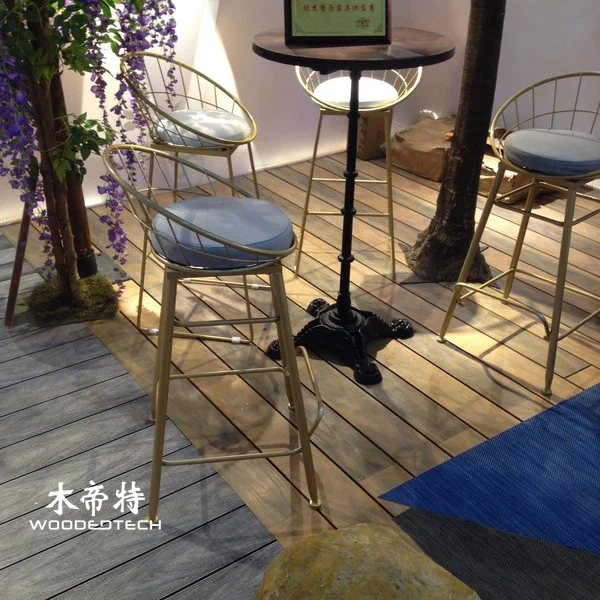
WPC wall and ceiling panels are used in commercial, industrial, and public buildings where buyers need decorative surfaces, practical maintenance requirements, and consistent material performance. For overseas importers, contractors, and building material distributors, selecting the right WPC supplier involves more than comparing prices. Factory capabilities, product specifications, application suitability, and quality control all influence the long-term performance of a project.
Industrial Applications of WPC Wall and Ceiling Panels
Wood plastic composite (WPC) panels combine wood fiber or wood flour with thermoplastic materials and selected additives. Their composition offers an alternative to traditional timber products, with design flexibility and reduced maintenance requirements. Depending on the formulation, surface treatment, and installation system, WPC panels can be developed for different interior and exterior applications.
In commercial buildings, WPC wall panels are commonly used in office interiors, reception areas, retail stores, hotels, and shopping centers. Their wood-like appearance helps create a warm architectural finish without relying on natural timber. For large commercial projects, consistent colors, repeatable dimensions, and stable supply are particularly important because replacement panels must match the original installation.
Industrial facilities may use WPC panels in selected interior partitions, decorative wall surfaces, and non-critical ceiling applications. However, buyers should distinguish decorative applications from structural or high-performance industrial requirements. Standard WPC panels are not automatically suitable for load-bearing structures, high-temperature environments, or areas subject to strict fire-safety regulations.

Ceiling applications require additional attention to panel weight, fixing methods, span limitations, and installation conditions. Buyers should confirm whether the product is designed for horizontal installation and whether the proposed supporting structure can safely accommodate its weight. For factories, warehouses, and public facilities, fire performance and compliance with local building codes should be assessed before specifying the material.
How to Evaluate a WPC Panel Factory
Choosing a reliable WPC wall panel supplier starts with understanding its actual manufacturing capabilities. A trading company may offer competitive prices, but direct communication with a manufacturer provides better visibility into production processes, quality control, customization, and delivery arrangements.
When evaluating a factory in China, overseas buyers should examine several key areas:
- Production equipment: Check whether the factory operates its own extrusion lines, surface treatment equipment, and cutting facilities.
- Raw material management: Ask how wood flour, plastic resins, pigments, and additives are selected and controlled.
- Production capacity: Confirm the number of production lines, daily output, and ability to handle repeat orders.
- Quality inspection: Review its procedures for dimensional checks, appearance inspection, batch consistency, and finished-product testing.
- Customization capabilities: Determine whether the manufacturer can produce different profiles, colors, textures, and lengths.
- Export experience: Check its experience with international packaging, container loading, shipping documentation, and overseas customer requirements.
A factory visit or live video inspection can help verify whether the production facilities match the supplier’s claims. Buyers can also request factory photographs, production videos, sample inspection records, and relevant business documentation.
Certificates should be checked carefully. A supplier’s general quality management certificate does not automatically prove that every WPC panel meets the fire, weather resistance, or environmental requirements of a particular project. Ask for test reports that identify the actual product, testing method, and issuing laboratory.
Confirm Specifications Before Placing an Order
Product specifications are one of the most common sources of misunderstandings in international WPC purchasing. Similar-looking panels may differ considerably in internal composition, profile dimensions, wall thickness, surface treatment, and intended application.
Before requesting a quotation, buyers should prepare a clear technical specification covering the following details:
- Panel dimensions: Specify width, thickness, length, and acceptable dimensional tolerances.
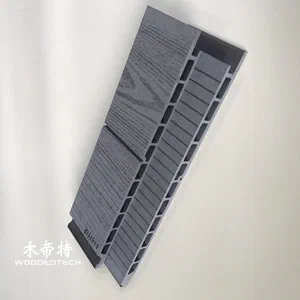
- Profile structure: Confirm whether the panel is solid, hollow, grooved, fluted, or designed with a particular connection system.
- Material composition: Discuss the wood-to-plastic ratio, resin type, additives, and whether recycled materials are used.
- Surface finish: Select the required wood grain, brushed texture, embossed pattern, or smooth finish.
- Color requirements: Provide physical samples or approved color references rather than relying exclusively on screen images.
- Performance requirements: Define the necessary water absorption, dimensional stability, impact resistance, UV resistance, and fire performance according to the application.
- Installation accessories: Confirm the availability of clips, fasteners, trims, support profiles, and compatible fixing components.
For outdoor installations, UV exposure, temperature changes, moisture, and ventilation conditions can affect product performance. A panel designed for interior decoration should not be assumed suitable for exterior use. Similarly, a standard outdoor WPC wall panel should not automatically be specified for a fire-regulated industrial ceiling.
Request physical samples before confirming bulk production. Compare the sample against the technical quotation and approved specifications. If a project requires customized colors or profiles, retain an approved reference sample and include the agreed specifications in the purchase contract.
Common Purchasing Risks and How to Avoid Them
The lowest quotation does not always represent the lowest purchasing cost. Differences in material formulation, profile thickness, production tolerances, and quality inspection can create problems after delivery.
One common risk is purchasing based on appearance alone. Two WPC panels may look almost identical in product photographs but have different densities, internal structures, and mechanical properties. Buyers should compare technical data and samples rather than making decisions based only on surface design.
Another risk involves unclear material descriptions. Terms such as waterproof, fire-resistant, and UV-resistant can be interpreted differently by different suppliers. Ask for measurable test results and confirm the relevant testing standards. Where local regulations apply, arrange independent testing if necessary.
Uncontrolled production changes are another concern. A supplier may change raw material sources, additives, or manufacturing parameters between sample approval and mass production. To reduce this risk, establish a written quality specification, define inspection requirements, and request confirmation before any significant material or production change.
Shipping and packaging also deserve attention. Long WPC panels can be vulnerable to bending, surface scratches, and damage during transportation if packaging is inadequate. Confirm carton or protective wrapping specifications, pallet arrangements, container loading methods, and product identification labels before shipment.
Payment terms should be agreed alongside production milestones. For large orders, buyers may consider pre-shipment inspection by an independent inspection company before releasing the final payment. The contract should clearly identify product specifications, order quantities, delivery dates, acceptable tolerances, and procedures for handling quality disputes.
Building a Long-Term Partnership with a WPC Supplier
For distributors, wholesalers, and project contractors, a dependable WPC supplier should offer more than manufacturing capacity. Consistent production quality, responsive technical support, practical customization services, and reliable communication are essential for maintaining a stable supply chain.
An experienced manufacturer should be able to explain which panel profiles suit different applications, recommend suitable installation accessories, and identify technical limitations before production begins. This support is particularly valuable for overseas buyers who may need to coordinate architects, installers, project owners, and local distributors.
OEM and private-label services can also help importers develop their own product ranges. Before committing to customized production, clarify mold ownership, minimum order quantities, color consistency, sample approval procedures, and lead times for repeat orders.
For international projects, start with a manageable trial order and evaluate the supplier’s actual performance from sampling through delivery. Record product quality, communication efficiency, packaging condition, and after-sales support. These results provide a more practical basis for future purchasing decisions than promotional materials or initial quotations alone.
A reliable Chinese WPC manufacturer should be transparent about its materials, production capabilities, testing results, and product limitations. By evaluating these factors systematically, overseas buyers can select WPC wall and ceiling panels that meet project requirements while reducing sourcing risks and building a more predictable long-term supply relationship.
Related Articles
 WPC Wall Panel Importer Can Source Reliable Outdoor Wall Cladding Products from Professional Suppliers
 WPC Wall Panel Price Varies According to Design Style Surface Finish and Order Quantity
 wpc wall panel supplier provides customized wood plastic composite solutions for global construction projects
 WPC Panel for Sale with Reliable Quality and Factory Direct Supply