
WPC Top Decking Selection: Key Buying Criteria for Industrial Projects
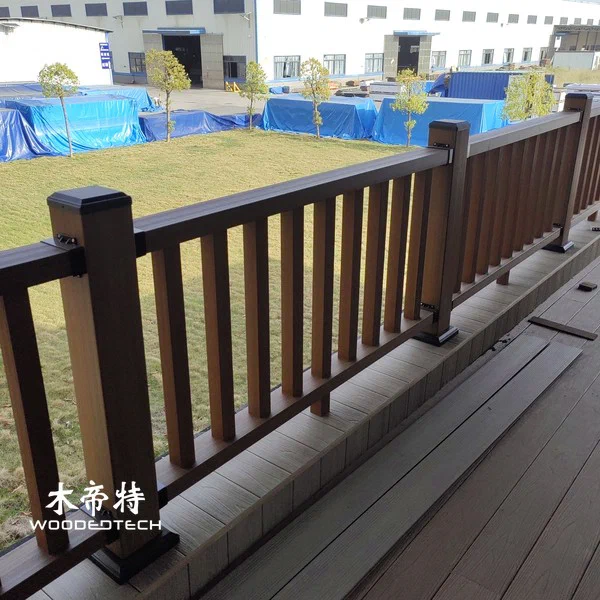
WPC top decking is a practical choice for industrial landscape projects where durability, slip resistance, weather protection, and long-term maintenance costs matter. For architects, landscape designers, and project contractors, selecting the right wood plastic composite decking requires more than comparing board prices. Material composition, structural performance, installation requirements, and supplier reliability all influence the final result.
1. Evaluate Material Composition and Structural Quality
Wood plastic composite decking combines wood fibers or wood flour with thermoplastics and functional additives. The proportions and quality of these ingredients directly affect the boards’ strength, dimensional stability, moisture resistance, and service life.
For industrial applications, buyers should examine the material formulation rather than relying solely on product appearance. A high-quality WPC board should maintain consistent density, resist cracking and deformation, and perform reliably under repeated pedestrian traffic and changing weather conditions.
Important material considerations include:
- Wood fiber quality and consistency.
- Polymer type and recycled material content.
- Additives for UV protection and weather resistance.
- Moisture absorption and dimensional stability.
- Surface hardness and resistance to everyday wear.
Architects should request technical data sheets and independent test reports before approving a product. Comparing measurable performance indicators provides a more reliable basis for selection than appearance or marketing descriptions.
2. Choose the Right Decking Structure for Load Requirements
Industrial landscape projects often involve different traffic conditions, from pedestrian walkways and factory outdoor areas to commercial terraces and public access platforms. The decking structure must match the expected loading conditions.
Hollow WPC decking is generally lighter and can reduce material costs, making it suitable for many standard outdoor applications when supported by an appropriately designed substructure. Solid WPC decking offers greater material mass and may be preferable for areas exposed to heavier use or where the board design requires additional structural capacity.
However, neither structure should be selected based on appearance alone. Buyers should consider:
- Expected pedestrian and equipment loads.
- Board thickness, width, and internal structure.
- Joist spacing and support requirements.
- Span limitations and fixing methods.
- Applicable local building and safety standards.
For industrial environments, engineers should verify the complete decking system, including joists, fasteners, supports, and connections. The load-bearing performance of an installed deck depends on the entire assembly rather than the decking board alone.
3. Prioritize Slip Resistance and Surface Performance
Safety is a major consideration in industrial outdoor environments. Rain, dust, oil contamination, and standing water can increase the risk of slipping, particularly around entrances, walkways, loading areas, and outdoor facilities.
WPC decking is available with different surface treatments, including brushed, grooved, embossed, and wood-grain finishes. These treatments provide different textures and visual effects, but a textured appearance does not automatically guarantee slip resistance.
Project buyers should request test results for wet and dry slip resistance using standards relevant to the installation location. Where the decking will be used around swimming pools, drainage channels, or frequently washed industrial areas, wet-condition performance deserves particular attention.
Surface design also affects cleaning requirements. Deep grooves may provide a distinctive appearance but can collect dirt and debris. A suitable surface should balance traction, drainage, comfort, and ease of maintenance.
4. Compare Capped and Uncapped WPC Decking
The choice between capped and uncapped WPC decking is another important purchasing decision.
Uncapped decking uses a composite material exposed directly at the board surface. It can offer a natural wood-like appearance and is often a cost-effective option for projects with moderate environmental exposure.
Capped WPC decking features a protective polymer layer surrounding the composite core. Depending on the product formulation and manufacturing quality, this outer layer can improve resistance to moisture, stains, fading, and surface wear.
For industrial projects exposed to strong sunlight, frequent rainfall, or demanding cleaning conditions, capped composite decking may provide better long-term value. Co-extrusion decking is another option worth evaluating because its protective outer layer is formed during the manufacturing process.
When comparing products, buyers should examine:

- Cap material and thickness.
- Bonding strength between the cap and core.
- UV and color-retention test results.
- Scratch and stain resistance.
- Warranty coverage and maintenance conditions.
A higher initial purchase price may be justified when improved surface protection reduces maintenance frequency and replacement costs.
5. Consider Climate, Drainage, and Installation Conditions
Outdoor WPC decking must accommodate temperature changes, moisture exposure, and site-specific environmental conditions. Thermal expansion and contraction are particularly important during installation because composite boards can change dimensions as temperatures fluctuate.
Landscape architects should coordinate decking specifications with the project’s climate, drainage design, and supporting structure. Adequate expansion gaps, suitable joist spacing, and correct fastening methods help prevent buckling, excessive movement, and premature damage.
For large industrial installations, installation planning should address:
- Substrate stability and surface preparation.
- Water drainage and ventilation beneath the deck.
- Expansion gaps at board ends and fixed structures.
- Corrosion-resistant clips, screws, and accessories.
- Access for inspection and future maintenance.
Coastal projects and industrial facilities with corrosive environmental exposure may require stainless steel or other appropriately specified corrosion-resistant fasteners. Installation instructions from the manufacturer should always be followed, particularly when designing large continuous decking areas.
6. Assess Long-Term Costs and Supplier Reliability
The lowest quotation does not necessarily represent the best purchasing decision. Industrial buyers should compare the total cost of ownership, including material prices, transportation, installation labor, maintenance, replacement, and warranty support.
A reliable WPC decking manufacturer should provide consistent product specifications, technical documentation, production quality control, and practical installation guidance. For large projects, sample approval and batch consistency checks are especially important.
Before placing a bulk order, procurement teams should request:
- Product samples in the proposed colors and surface finishes.
- Technical specifications and relevant test reports.
- Installation manuals and recommended accessories.
- Production capacity and delivery schedules.
- Warranty terms and after-sales support.
- Details of customization and OEM manufacturing capabilities.
It is also worth checking whether the supplier can maintain consistent dimensions, colors, and material quality across multiple production batches. This is particularly important for industrial developments completed in several phases, where additional decking may need to match previously installed areas.
Selecting WPC top decking for an industrial project requires a balanced assessment of structural performance, surface safety, weather resistance, installation compatibility, and lifecycle costs. Architects and landscape designers should specify products according to actual site conditions rather than choosing solely by appearance or purchase price. Working with an experienced wood plastic composite decking manufacturer helps project teams obtain suitable materials, maintain specification consistency, and create outdoor environments that remain functional and attractive with manageable maintenance requirements.
Related Articles
 How To Use WPC decking blog Information For Better Outdoor Project Planning
 extruded wood plastic composite decking provides stable quality for outdoor flooring applications worldwide
 fiberon composite deck boards are widely recognized for outdoor decking applications
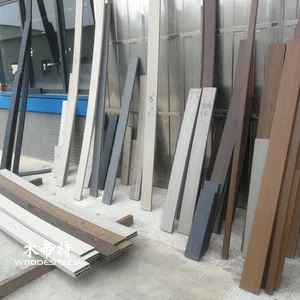 High-Quality plastic wood flooring for decks: Direct from Manufacturer
Related Products
 GD13820 M Shape Co Extruded Composite Deck Planks Feature a Special Profile Design for Distinctive Outdoor Decking Applications
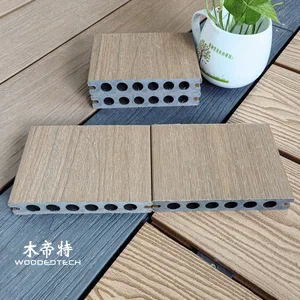 GD13823 Double Sided Flat Surface Co Extruded WPC Decking Features a Popular Width and Thickness with Round Hollow Structure
 GD13823-3 Composite Boards for Decking Are Available in Multiple Stock Colors with 3 Meter Lengths and Single Piece Delivery