
WPC Timber: The Sustainable Solution for Modern Industrial Applications in 2023
Outdoor wood plastic composite (WPC) has emerged as a popular choice for sustainable building materials, particularly in modern industrial applications. By combining recycled materials with innovative engineering, WPC offers an eco-friendly alternative that not only conserves natural resources but also provides durability and low maintenance.
Recycled Materials
One of the most significant environmental benefits of WPC is its composition. Made from a blend of recycled wood fibers and plastic, outdoor WPC reduces the demand for virgin materials. This approach minimizes waste and diverts materials from landfills. The use of recycled content not only helps in conserving forests but also reduces the carbon footprint associated with the production of new materials.
Reduced Wood Consumption
WPC effectively addresses the issue of deforestation. Traditional wood products contribute to the depletion of forests, which are crucial for biodiversity and climate regulation. Since WPC utilizes recycled wood fibers, it significantly lowers the overall consumption of timber. This sustainable practice supports forest conservation efforts and promotes the responsible use of resources, making it a viable choice for environmentally conscious projects.
Durability
Durability is a critical factor in building materials, and WPC excels in this area. Outdoor WPC is designed to withstand harsh environmental conditions, including moisture, UV radiation, and temperature fluctuations. Unlike traditional wood, which can warp, crack, or decay over time, WPC maintains its structural integrity and aesthetic appeal for years. This longevity translates into fewer replacements and repairs, further reducing the environmental impact associated with manufacturing new products.

Low Maintenance Advantages
Another key advantage of outdoor WPC is its low maintenance requirements. Traditional wood often requires regular staining, sealing, and painting to protect it from the elements. In contrast, WPC is resistant to mold, mildew, and insects, making it easy to clean and maintain. This not only saves time and labor costs but also reduces the need for chemical treatments, contributing to a healthier environment.
Related Articles
 Evaluating Top Brands of Composite Decking for Sustainable Building Solutions
 Exploring WPC Plywood: The Future of Sustainable Building Materials in 2023
 Innovative WPC Decking Platform Solutions for Sustainable Outdoor Spaces in 2023
 Exploring the Benefits of Wood Grain Plastic in Industrial Applications: 2023 Insights
Related Products
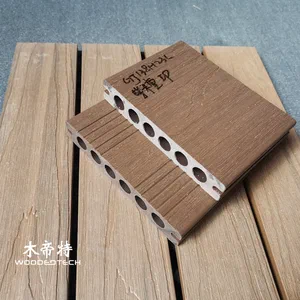 GD13823-3 Composite Boards for Decking Are Available in Multiple Stock Colors with 3 Meter Lengths and Single Piece Delivery
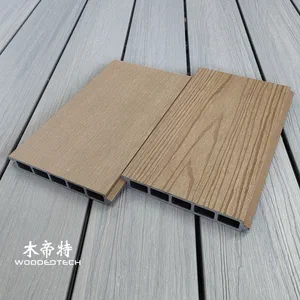 3DGL18024 WPC Longboard Fence Features Premium Co Extruded 3D Embossed Teak Wood Grain Texture with Realistic Natural Wood Fibers
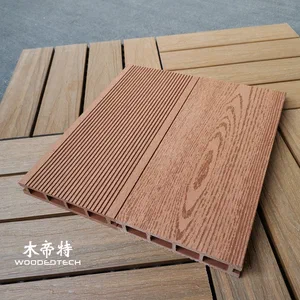 The Classic D14025-4 Red Wood WPC Wood Sheet Features a Timeless 2D Flat Wood Grain Design That Remains Popular After Twenty Years