
WPC terrace creates comfortable outdoor spaces with low maintenance and attractive modern designs
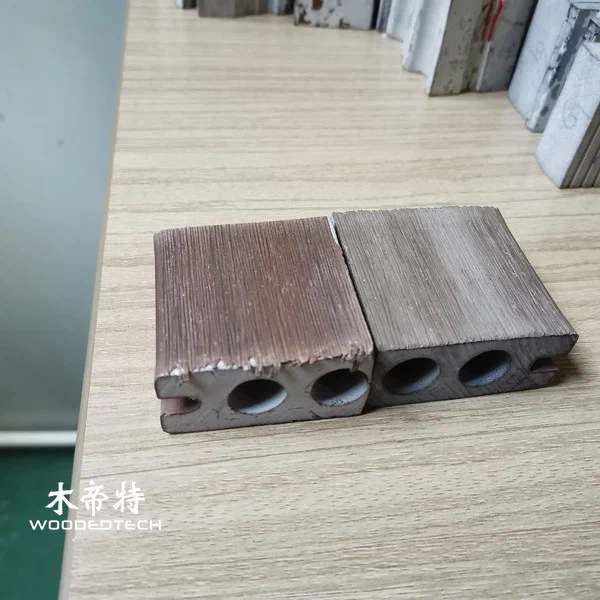
WPC terrace design is moving toward cleaner lines, richer surface textures, and more flexible outdoor layouts. For modern homes, hotels, and commercial terraces, composite materials help create comfortable spaces that look refined and stay easy to maintain.
Modern colors and surface style
Color is now one of the strongest design tools in outdoor WPC products. Warm teak, deep walnut, charcoal gray, and soft sand tones are widely used because they blend well with glass, metal, stone, and planting. Instead of one flat look across every surface, designers are mixing tones to separate zones and give terraces more depth.
Texture matters just as much as color. Embossed grain, brushed finishes, and co-extrusion surfaces make decking and wall systems feel closer to natural timber while keeping the practical advantages of WPC. A subtle wood grain can soften a modern terrace, while a smoother finish suits minimal architecture and rooftop spaces.
Profiles that shape the space
Profiles help define how the terrace feels and performs. Grooved or anti-slip deck surfaces improve safety in wet areas, while wide boards create a calm, spacious visual effect. On walls, fluted and slatted panels add shadow lines that make façades and privacy screens look more dynamic without heavy decoration.
The same approach works across fences, pergolas, gazebos, and landscape products. Slim louvers can frame views and filter sunlight. Solid fence panels increase privacy. Matching profiles across decking, cladding, and screens create a coordinated outdoor environment that feels intentional from every angle.
Modular design for faster, cleaner projects

Modular WPC systems are changing how outdoor projects are planned and built. Interlocking deck tiles, panel-based wall cladding, prefabricated fence sections, and pergola kits reduce installation time and simplify replacement later. This is especially useful for developers, landscape contractors, and property owners who need a consistent result with less site labor.
Modular products also support flexible layouts. A terrace can be extended, divided, or refreshed more easily when boards, panels, and accessories are designed as a system. For hospitality and commercial spaces, that means easier upgrades without closing the whole area.
A comfortable outdoor space with less upkeep
The value of WPC terrace products is not only in appearance. Composite decking and related outdoor products resist moisture, fading, and common maintenance issues associated with traditional wood. That makes them a strong choice for patios, pool edges, garden paths, pergolas, and shaded seating areas.
When colors, textures, profiles, and modular details work together, outdoor spaces feel more comfortable and modern. They also stay practical for daily use, with less sanding, painting, or frequent repair.
FAQ
Q: Why is WPC popular for modern terrace design? A: It combines a wood-like appearance with low maintenance and strong outdoor durability. That makes it suitable for both residential and commercial projects.
Q: Which WPC product types work best together in one outdoor project? A: Decking, wall panels, fences, pergolas, gazebos, and landscape accessories can all share the same color family and surface style. This creates a unified look across the entire space.
Q: What design trend is most important for outdoor WPC products now? A: Natural-looking textures in modern colors are the most requested trend. Buyers also want modular systems that install quickly and support flexible layouts.
Related Articles
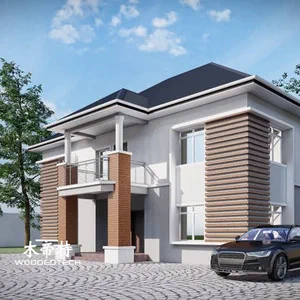 wpc decking floor offers durable and attractive solutions for gardens balconies and outdoor areas
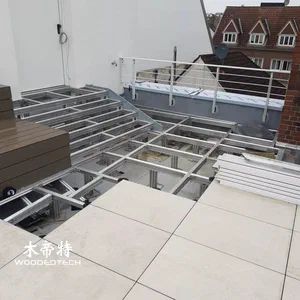 2x6 composite decking provides a practical size option for residential and commercial outdoor decks
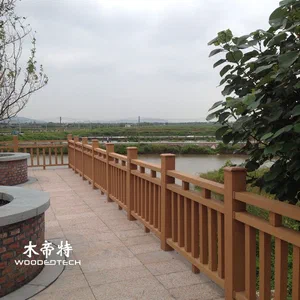 7 inch wide composite decking provides a spacious surface design for comfortable outdoor living areas
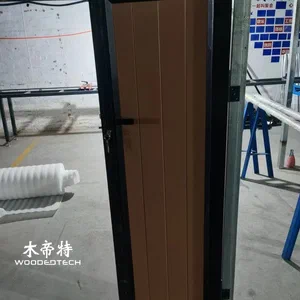 Composite decking 3mm hidden fasteners provide neat installation solutions for seamless outdoor deck surfaces
Related Products
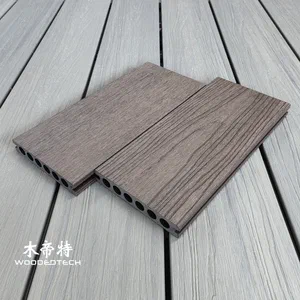 3DGD13823 Second Generation 3D Embossed Rosewood Composite Balcony Decking Delivers Ultra Realistic Wood Grain Texture and a Premium Natural Wood Experience
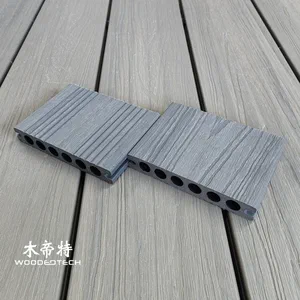 GD13823-3 Light Grey Premium Co Extrusion WPC Composite Decking Offers LG Texture and Excellent UV Resistance for Outdoor Spaces
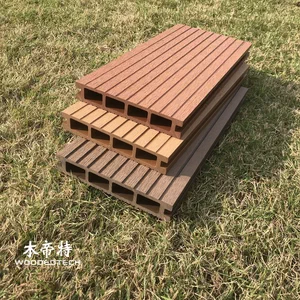 D14025-3 Square Hole Double Sided Grooved WPC Board Factory Producing Outdoor Decking Boards With Good Slip Resistance