WPC Slat Panel Installation Guide for Industrial Applications
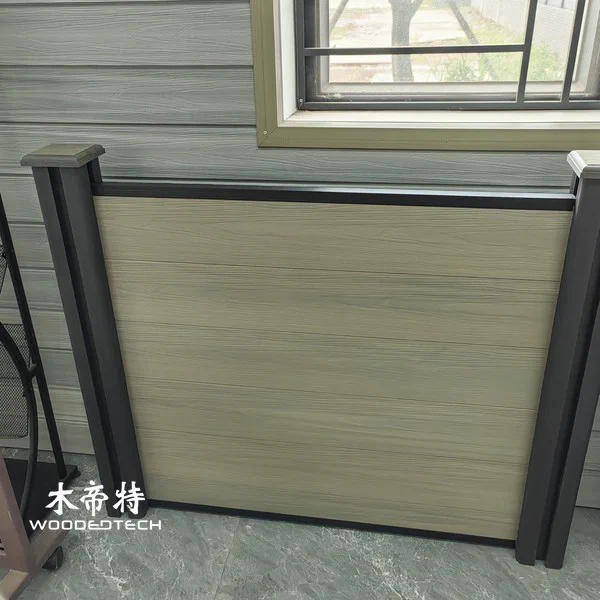
WPC slat panel systems provide a durable and low-maintenance solution for industrial exterior and interior applications. This installation guide explains the correct process for preparing the structure, fixing WPC slats, managing expansion, and maintaining long-term performance.
Subframe Preparation and Layout Planning
Before installing WPC slatted cladding, inspect the installation surface to ensure it is stable, clean, and suitable for fixing. Industrial projects often involve large wall areas, so accurate measurements and alignment planning are essential. Mark reference lines to control vertical or horizontal positioning and check that the finished surface will remain level.
Install a suitable supporting subframe, usually made from galvanized steel or aluminum profiles for commercial environments. The subframe must provide enough strength to support the weight of the WPC panels while allowing ventilation behind the cladding system. Maintain consistent spacing between joists or battens according to the product specifications and site load requirements.
For WPC decking systems used in industrial outdoor areas, prepare a solid base with proper drainage. Ensure the supporting structure is completely level before fixing decking boards to prevent uneven movement and surface stress.
WPC Slat Panel Fixing Methods
Begin installation from one side of the wall or deck area and work progressively across the surface. For WPC wall cladding, use approved clips, screws, or concealed fixing systems designed for composite materials. Stainless steel fasteners are recommended for industrial applications because they provide better corrosion resistance.
The general installation steps include:
- Position the first WPC slat panel carefully and confirm alignment.
- Secure the panel to the subframe using the recommended fixing accessories.
- Install following panels with matching clips or screws while maintaining consistent spacing.
- Check alignment regularly to prevent cumulative installation errors.
- Finish edges and corners with matching WPC trims or aluminum profiles.
When cutting WPC materials, use carbide-tipped saw blades designed for composite products. Measure twice before cutting, and ensure all cut edges are smooth and free from damage. For large projects, organize panels by installation area before cutting to improve efficiency and reduce material waste.
Expansion Gaps and Industrial Installation Requirements

WPC materials expand and contract with temperature changes, especially in outdoor industrial environments. Leave sufficient expansion gaps at panel joints, corners, and fixed points according to the manufacturer’s recommendations. Do not install panels tightly against walls or other fixed structures, as restricted movement may cause warping or deformation.
For long wall cladding runs and large decking areas, include additional movement gaps and divide installation sections where necessary. Proper ventilation behind WPC cladding also helps control moisture accumulation and improves service life.
Maintenance Tips for Long-Term Performance
WPC slat panels require less maintenance than traditional timber, but regular care helps preserve appearance and function. Clean surfaces periodically with water and mild detergent to remove dust, dirt, and industrial residues. Avoid harsh chemicals or abrasive cleaning tools that may damage the surface texture.
Inspect fixing points, joints, and drainage areas during routine maintenance checks. Replace damaged components promptly to prevent further impact on the surrounding system. With correct installation and regular maintenance, WPC slat panel systems can provide reliable performance for industrial buildings, commercial spaces, and outdoor structures.
FAQ
Q: Can WPC slat panels be installed directly on concrete walls? A: WPC panels should normally be installed on a suitable subframe to allow ventilation, alignment adjustment, and thermal movement.
Q: What fixing method is best for industrial WPC applications? A: Stainless steel screws, concealed clips, and manufacturer-approved fixing systems are commonly used for strong and durable installations.
Q: How often should WPC slat panels be cleaned? A: Routine cleaning every few months or when visible dirt accumulates helps maintain the surface appearance and performance.