
WPC Showroom Solutions: A Comprehensive Guide for Industrial Buyers
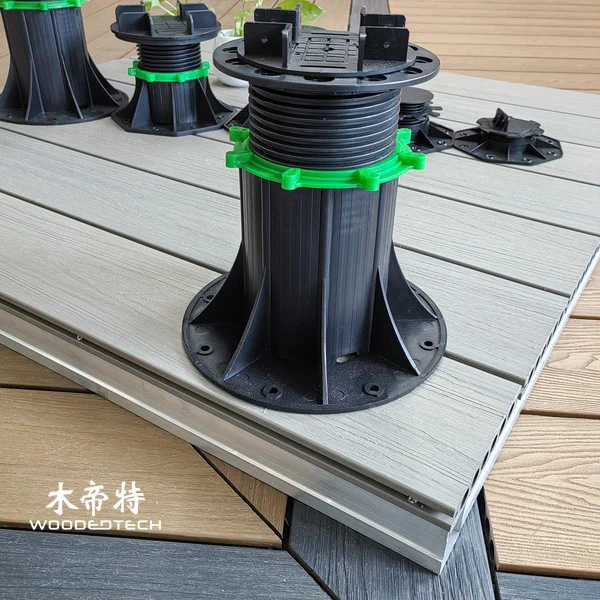
A well-designed WPC showroom helps industrial buyers assess product quality, compare surface finishes, understand available applications, and evaluate a manufacturer’s production capabilities before placing an order. For overseas distributors, contractors, and building material importers, choosing a WPC supplier with a professional showroom can make purchasing decisions more transparent and reduce the risks associated with bulk procurement.
Why WPC Showrooms Matter for Industrial Buyers
Wood plastic composite products can look similar in online photographs, but their actual performance depends on material composition, manufacturing processes, surface treatments, and structural design. A showroom provides an opportunity to examine these differences firsthand.

For international buyers, a professional WPC showroom should demonstrate more than attractive product displays. It should present a complete range of outdoor applications, including decking, fencing, wall cladding, pergolas, railings, and decorative panels. Seeing these products installed in realistic settings helps buyers understand how different profiles, colors, and textures work together.
A reliable manufacturer should also use its showroom to demonstrate product consistency. Buyers can compare solid and hollow profiles, conventional extrusion and co-extrusion products, different wood grain patterns, and various installation systems. These details help determine whether a supplier can meet the requirements of commercial projects and long-term distribution partnerships.
What to Look for in a Professional WPC Showroom
When evaluating a potential supplier, buyers should pay attention to the organization and technical value of the showroom.
A well-planned showroom typically includes:
- Product variety: Different WPC decking boards, wall panels, fence systems, railing components, and outdoor decorative materials.
- Surface finishes: Brushed, embossed, sanded, and wood grain textures that demonstrate the manufacturer’s finishing capabilities.
- Color selection: Multiple colors and customized finishes suitable for different architectural styles and regional markets.
- Structural samples: Cross-sectional displays showing hollow, solid, and reinforced profiles.
- Installation demonstrations: Actual connections, clips, joists, fasteners, and accessories used in complete systems.
- Application displays: Installed samples illustrating how WPC products perform in gardens, balconies, patios, commercial spaces, and outdoor public areas.
Buyers should also request technical information alongside physical samples. Product dimensions, material composition, density, recommended installation spacing, and maintenance requirements provide a clearer understanding of the products being presented.
A showroom that combines physical displays with technical documentation generally offers greater purchasing value than one focused exclusively on visual presentation.
Evaluating the Manufacturer Behind the Showroom
An attractive showroom does not automatically indicate a reliable factory. Industrial buyers should verify that the supplier has the manufacturing capacity and quality management systems needed to support international orders.
Factory inspections are an important part of this process. Buyers should examine raw material storage, mixing equipment, extrusion production lines, cooling systems, cutting equipment, and finished product warehouses. These areas reveal whether the manufacturer controls the production process or relies heavily on outsourced manufacturing.
For WPC products, raw material management deserves particular attention. Wood fiber, recycled plastics, additives, pigments, and other formulation components influence the final product’s strength, dimensional stability, weather resistance, and appearance.
Ask the supplier how raw materials are inspected and whether production formulas are standardized. It is also useful to review batch inspection records, product testing reports, and quality control procedures.
A dependable WPC factory should be able to explain its production capabilities clearly, including monthly output, available extrusion lines, customization options, packaging standards, and experience with export orders. Buyers should verify that the factory can maintain consistent specifications across repeated shipments rather than relying on showroom samples alone.
Confirming Product Specifications Before Ordering
One of the most common purchasing mistakes in the WPC industry is approving products based only on appearance. A sample may look attractive, but differences in composition, dimensions, surface treatment, and manufacturing tolerances can affect the final delivery.
Before confirming an order, buyers should prepare a detailed specification sheet covering:
- Product type and application, such as outdoor decking, fencing, or exterior wall cladding.
- Exact dimensions, including length, width, thickness, and profile structure.
- Material composition and agreed manufacturing specifications.
- Surface finish, color reference, and texture requirements.
- Mechanical performance and relevant testing standards.
- UV resistance, water absorption, and weathering performance where applicable.
- Accessories, installation methods, and compatible components.
- Packaging requirements, labeling, and shipping arrangements.
For projects requiring specific performance standards, buyers should request relevant laboratory reports and confirm the testing methods used. Claims such as waterproof, UV resistant, fire retardant, and slip resistant should be supported by appropriate evidence rather than general marketing descriptions.
It is also important to establish acceptable production tolerances and color variation ranges. Natural-looking WPC finishes can show slight differences between batches, so buyers should agree on realistic acceptance criteria before mass production.
Common Purchasing Risks and How to Avoid Them
Overseas buyers face several risks when sourcing WPC products, particularly when purchasing large quantities from an unfamiliar manufacturer.
Price is one of the most obvious concerns. Extremely low quotations may indicate differences in raw material quality, product weight, profile thickness, or manufacturing standards. Comparing suppliers only by price per square meter can therefore lead to misleading decisions.
Instead, buyers should compare products with equivalent dimensions, material specifications, surface treatments, and performance requirements. Requesting physical samples from shortlisted suppliers is an effective way to identify quality differences before committing to a container order.
Another risk involves inconsistent samples and mass production. A supplier may provide carefully selected showroom samples that do not accurately represent regular production. To reduce this risk, buyers should approve a signed reference sample and require pre-shipment inspections for important orders.
Communication and delivery management also deserve attention. Confirm production lead times, payment terms, order quantities, packaging details, and responsibility for transportation costs in writing. Buyers should establish procedures for handling defective products, missing accessories, and shipment discrepancies before placing an order.
Finally, verify the manufacturer’s business registration, export experience, production address, and references from previous international customers. A supplier that welcomes factory inspections and provides transparent documentation is generally easier to evaluate than one that avoids detailed questions.
Using Showroom Visits to Build Long-Term Supplier Partnerships
For distributors, wholesalers, contractors, and project developers, a WPC showroom visit should be treated as part of a broader supplier assessment. It is an opportunity to evaluate not only current products but also the manufacturer’s ability to support future business development.
Discuss OEM and private-label services, customized colors, special extrusion profiles, packaging design, and product development capabilities. These services can help overseas buyers differentiate their product ranges and respond to local market requirements.
A capable manufacturer should also provide practical support after the purchase, including installation instructions, technical drawings, product documentation, and assistance with product selection. Consistent communication is particularly valuable when managing repeat orders or supplying large commercial projects.
When evaluating WPC showroom solutions, industrial buyers should look beyond display quality and focus on the connection between product presentation, factory capabilities, technical verification, and export service. A showroom supported by a genuine manufacturing facility gives buyers a clearer picture of what they can expect from production and delivery. Choosing a supplier on this basis helps establish a more predictable sourcing process and creates a stronger foundation for long-term cooperation in the international WPC market.
Related Articles
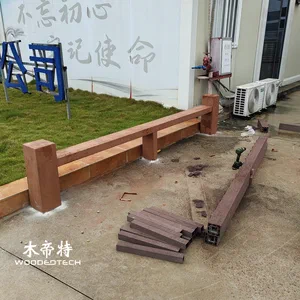
Related Products
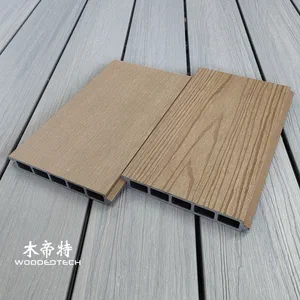
 GD13823-3 Composite Boards for Decking Are Available in Multiple Stock Colors with 3 Meter Lengths and Single Piece Delivery
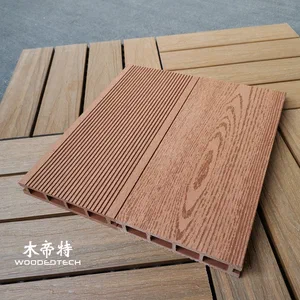
 3DGL18024 WPC Longboard Fence Features Premium Co Extruded 3D Embossed Teak Wood Grain Texture with Realistic Natural Wood Fibers
 The Classic D14025-4 Red Wood WPC Wood Sheet Features a Timeless 2D Flat Wood Grain Design That Remains Popular After Twenty Years