
WPC Sections for Outdoor Construction Landscaping and Architectural Applications
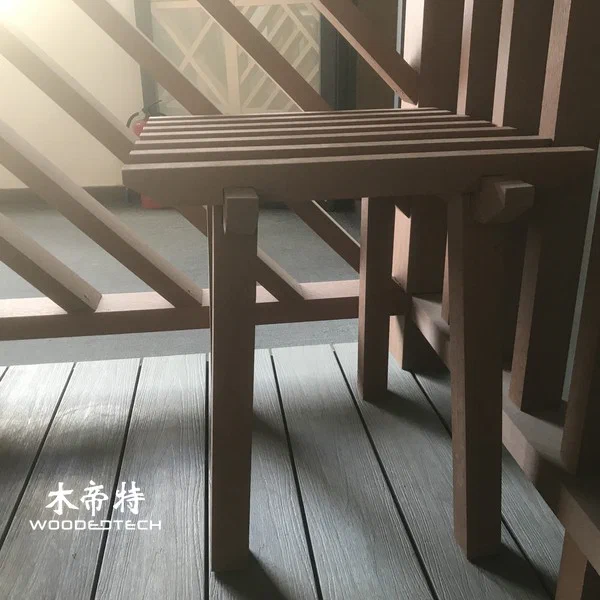
WPC sections are widely used in outdoor construction, landscaping, and architectural projects because they combine the look of wood with better moisture resistance and lower maintenance. For B2B buyers, they offer a practical material choice for decks, facades, fencing, screens, and site furniture where durability and consistent appearance matter.
Why WPC Sections Work in Exterior Projects
Wood plastic composite sections are made from wood fiber and polymer, creating profiles that are stable in changing weather and easier to specify for large projects. Compared with natural timber, they are less prone to rot, splintering, and frequent repainting, which helps reduce lifecycle costs for contractors, developers, and public-space operators.
WPC is especially valuable in places exposed to sun, rain, and heavy foot traffic. Typical applications include:
- outdoor decking and boardwalks
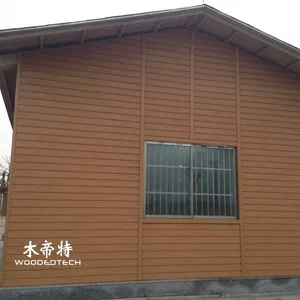
- wall cladding and decorative facades
- fence panels and privacy screens
- pergolas, louvers, and architectural grilles
- benches, planters, and other landscape elements
Specification Benefits for Buyers
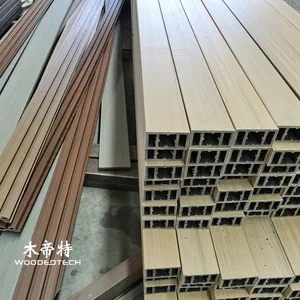
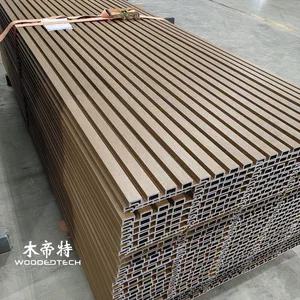
For procurement teams, the main advantage is predictable performance. Many WPC products are available in consistent sizes, surface textures, and colors, which makes project planning easier and improves installation efficiency. They can also be produced in different profiles, including hollow and solid sections, grooved boards, and co-extruded surfaces for added stain and UV resistance.
In commercial landscaping, WPC sections help create a clean, modern finish while supporting practical requirements such as slip resistance, water tolerance, and long-term color retention. They also suit modular construction methods, making them useful for resorts, retail exteriors, residential developments, and municipal projects.
Where WPC Adds the Most Value
Architectural teams often choose WPC when the project needs a wood-like appearance without the maintenance burden of timber. In exterior facades, cladding and screening systems can improve privacy, shade, and visual identity. In landscape work, decking, stair treads, and edging sections help define outdoor circulation areas while maintaining a unified design language.
For exporters and distributors, WPC sections are also attractive because they support repeat orders and project-based supply. Buyers often look for factory-direct pricing, customization options, and reliable lead times, especially when sourcing for multi-site developments or wholesale programs.
Choosing the Right Supplier
A dependable WPC supplier should provide technical data, loading guidance, color stability information, and clear installation recommendations. If the project is large or branded, custom sizing and private label support can also be important. The best results come from matching the section profile to the environment, whether the need is for a deck, a wall system, or an architectural screen.

FAQ
Q: What are WPC sections used for in outdoor construction? A: They are used for decking, cladding, fencing, screens, pergolas, and landscape features. Their weather resistance and low maintenance make them suitable for commercial exterior projects.
Q: Are WPC sections better than wood for landscaping applications? A: In many cases, yes, especially where moisture, UV exposure, and upkeep are concerns. Wood still has its place, but WPC usually offers better consistency and lower long-term maintenance.
Q: Can WPC sections be customized for architectural projects? A: Yes, many manufacturers offer custom profiles, colors, and surface finishes. This helps match project specifications and design requirements more closely.
Related Articles

Related Products
 F6040 Four Sides Flat Exterior WPC Profile Provides Versatile Solutions for Various Outdoor Decorative Uses
 3D17618wood look plastic cladding with three dimensional embossed texture offers unique exterior wall decoration effects
 F4030 wpc exterior solid decorative square strips provide versatile outdoor decoration and landscaping solutions