WPC Roof Panel Price: 2026 Cost Factors and B2B Procurement Guide
WPC roof panel pricing in 2026 depends on material composition, production technology, panel dimensions, surface finishes, order quantity, and shipping arrangements. For overseas buyers, comparing quotations requires more than checking the price per square meter. Understanding factory capabilities, technical specifications, and total landed costs helps prevent purchasing problems and ensures consistent product quality across large projects.
Key Factors Affecting WPC Roof Panel Prices in 2026
The first major cost factor is raw material composition. Wood-plastic composite panels are generally manufactured using wood flour, recycled or virgin plastics, and additives. The ratio of these materials directly affects product density, strength, weather resistance, and production costs. Manufacturers using carefully controlled raw materials and stable formulations may offer higher quotations, but their products are often more consistent in long-term outdoor applications.
Production technology also influences pricing. Standard extrusion profiles usually cost less than customized or co-extruded products. Co-extrusion technology adds a protective outer layer that can improve resistance to moisture, UV exposure, stains, and surface fading. Buyers should compare the actual performance requirements rather than automatically choosing the cheapest manufacturing option.
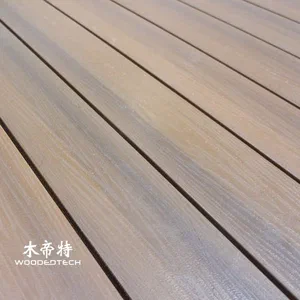
Panel dimensions and profile design are equally important. Thicker panels, wider profiles, special cross-sections, and reinforced structures generally require more raw materials and production resources. Custom colors, wood-grain textures, embossed surfaces, and special finishes may also increase manufacturing costs, particularly when new molds or additional production processes are required.
Order quantity affects the final unit price. Large-volume orders allow factories to optimize material purchasing, extrusion schedules, packaging, and labor costs. Small orders, trial orders, and customized batches may carry higher unit prices because of setup costs and production adjustments. For importers and distributors, combining several compatible profiles into one production order may help improve purchasing efficiency.
How to Compare WPC Roof Panel Quotations
When requesting a quotation, overseas buyers should provide the same technical requirements to every supplier. Otherwise, the prices received may represent different product structures and performance levels.
A professional quotation should clearly identify:

- Product dimensions, including length, width, and thickness.
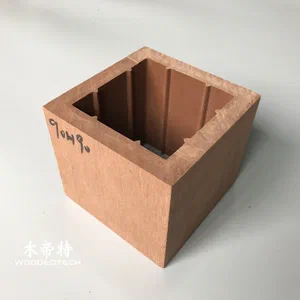
- Panel structure, such as hollow or solid construction.
- Material composition and density.
- Surface treatment and available color options.
- UV resistance and outdoor weathering performance.
- Fire performance requirements, where applicable.
- Packaging specifications and loading quantities.
- Minimum order quantity and production lead time.
- Payment terms and quotation validity.
- Shipping terms, such as EXW, FOB, or CIF.
Pay particular attention to whether the quotation covers accessories, mounting components, connectors, and installation hardware. Some suppliers quote only the panels, while others include a complete installation system. Comparing these quotations without checking the included components can lead to inaccurate cost calculations.
It is also important to distinguish between the panel price and the total project cost. International freight, customs duties, insurance, import taxes, inland transportation, and warehousing can significantly affect the final purchasing budget. Buyers should calculate the estimated landed cost before selecting a supplier.
How to Evaluate a Reliable WPC Manufacturer
Choosing a reliable factory is one of the most important steps in international WPC procurement. A trading company may offer competitive prices, but working directly with an established manufacturer generally provides better control over production schedules, customization, and quality management.
Start by checking the supplier’s manufacturing capabilities. A qualified WPC factory should have extrusion production lines, raw material processing equipment, profile calibration systems, surface treatment facilities, and appropriate packaging areas. Ask how many production lines are available and whether the factory manufactures its own products or outsources part of the production process.
Request recent factory photographs, production videos, and product samples. If possible, arrange an independent factory audit or a third-party inspection before placing a large order. Pay attention to raw material storage, production cleanliness, equipment maintenance, and finished-product inventory.
Quality management is another important consideration. Reliable manufacturers should have documented inspection procedures covering dimensions, appearance, color consistency, mechanical properties, and relevant environmental performance. Depending on the destination market and application, buyers may also request applicable test reports for water absorption, UV aging, bending strength, or fire performance.
Export experience matters as well. A manufacturer familiar with overseas markets should understand international packaging requirements, container loading, export documentation, and communication with freight forwarders. Ask for examples of previous export projects and confirm that the supplier can provide the documents required by your local customs authorities.
Confirm Technical Specifications Before Mass Production
A low quotation does not guarantee that the delivered product will meet project requirements. Before confirming an order, buyers should establish a written technical specification sheet and make it part of the purchase agreement.
The approved sample should represent the actual production material, surface finish, color, dimensions, and profile structure. If the project requires a specific wood-grain appearance, compare samples under natural lighting rather than relying exclusively on digital photographs.
For outdoor roof applications, evaluate resistance to moisture, temperature changes, UV exposure, and mechanical loads. Do not assume that every WPC panel is suitable for structural roofing. WPC decorative roof panels, ceiling panels, and load-bearing roof components serve different purposes. Structural applications require appropriate engineering calculations, supporting frameworks, and compliance with local building regulations.
Buyers should also confirm thermal expansion allowances, installation gaps, fixing methods, and recommended support spacing. WPC materials can expand and contract with temperature changes, so installation details have a direct impact on long-term performance.
Before mass production, request a pre-production sample or approval sample. Record the agreed specifications, acceptable color variation, packaging method, and inspection standards. This creates a clear reference for both parties if quality disputes arise later.
Common Purchasing Risks and How to Avoid Them
One frequent procurement mistake is selecting a supplier based only on the lowest unit price. An unusually low quotation may indicate lower material content, inconsistent formulations, thinner profiles, or insufficient quality control. Buyers should investigate significant price differences and request technical explanations before making a decision.
Another risk is unclear product descriptions. Terms such as waterproof, UV-resistant, fire-retardant, and maintenance-free should not be accepted without supporting test data or clearly defined performance standards. Ask suppliers to provide relevant reports and verify whether the testing methods meet the requirements of your target market.
Production delays can also affect overseas projects. Before placing an order, confirm the manufacturing schedule, raw material availability, peak-season capacity, and agreed delivery date. For large projects, consider arranging production inspections before the goods are packed and shipped.
Payment security deserves equal attention. Avoid transferring large payments to unverified accounts or accepting major changes to payment instructions without independent confirmation. Use a written purchase contract that specifies product details, quantities, prices, payment milestones, delivery conditions, inspection procedures, and remedies for non-conforming goods.
Building a Cost-Effective WPC Procurement Strategy
For importers, wholesalers, contractors, and building material distributors, the best purchasing decision balances price, product performance, factory reliability, and long-term supply stability. Instead of focusing exclusively on the lowest WPC roof panel price, evaluate the manufacturer’s ability to maintain consistent specifications across repeat orders.
A practical approach is to shortlist several qualified manufacturers, request comparable quotations, evaluate samples, and verify production capabilities before negotiating a long-term supply agreement. For customized projects, discuss mold ownership, color matching, minimum production quantities, and future replacement availability in advance.
Working with a manufacturer that offers OEM services, flexible production options, and reliable export support can also help overseas buyers develop their own product ranges. With clearly confirmed specifications and transparent commercial terms, buyers can control procurement costs while reducing quality, delivery, and after-sales risks in the 2026 WPC market.