
WPC Pros and Cons: A Comprehensive Guide for Industrial Applications
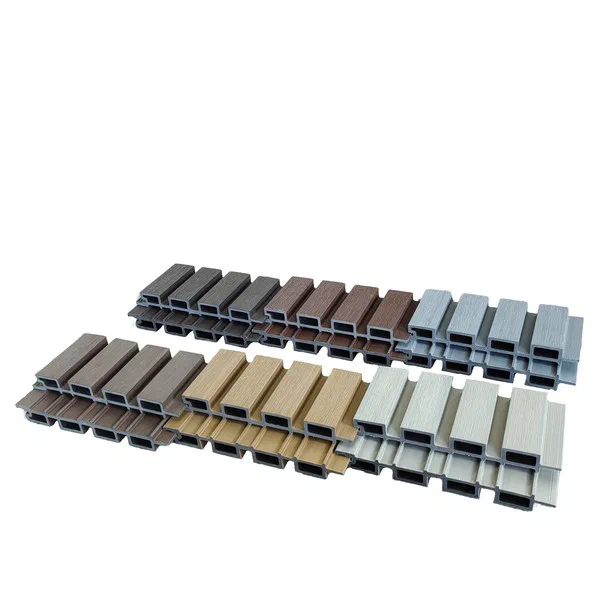
Outdoor wood plastic composite (WPC) offers a practical alternative to natural wood, traditional timber, aluminum, and other exterior building materials. Made from a combination of wood fibers or wood flour and thermoplastic polymers, WPC balances the appearance of wood with improved moisture resistance and reduced maintenance requirements. For industrial and commercial applications, understanding its advantages, limitations, and long-term costs is essential when selecting materials for decking, cladding, fencing, outdoor structures, and architectural features.
1. Understanding WPC as an Industrial Building Material
WPC is an engineered composite material typically manufactured using wood fibers, recycled plastics, additives, and stabilizers. The production process combines these components through extrusion or molding to create profiles with consistent dimensions, colors, and surface textures. Depending on the formulation, WPC products can be designed for different levels of strength, weather resistance, UV stability, and surface performance.
Compared with conventional timber, WPC offers more predictable material properties and does not require regular painting, staining, or preservative treatment. Its resistance to moisture also makes it suitable for environments where natural wood may deteriorate quickly, including outdoor walkways, commercial terraces, swimming pool surrounds, and exterior wall systems. However, WPC is not a universal replacement for structural timber or metal. Its suitability depends on load requirements, product specifications, installation conditions, and exposure levels.
2. WPC Advantages and Disadvantages
One of the main advantages of WPC is its resistance to moisture, rot, and insect damage. Unlike untreated natural wood, it does not absorb water in the same way and is less vulnerable to fungal decay and termite attack. This makes it a practical option for outdoor applications exposed to rain, humidity, and changing weather conditions.
Low maintenance is another important benefit. WPC generally requires periodic cleaning with water and a mild detergent rather than routine sanding, sealing, or repainting. Its manufactured surface also provides consistent colors and textures, making it easier to maintain a uniform appearance across large commercial installations. Many products incorporate recycled plastic and reclaimed wood fibers, helping reduce demand for virgin raw materials.

Nevertheless, WPC has several limitations. Its thermal expansion and contraction can be greater than those of natural timber, so installers must allow appropriate expansion gaps and follow the manufacturer’s fixing specifications. Prolonged exposure to sunlight may cause some products to fade, while lower-quality formulations can become brittle or develop surface defects over time. WPC can also retain more heat than natural wood under direct sunlight, depending on its color and composition.
Another consideration is initial purchase price. Standard WPC products may cost more than some locally available untreated timber options. In addition, WPC is not completely maintenance-free, and damaged boards may require replacement rather than conventional wood repairs.
3. Comparing WPC with Natural Wood, Timber, Aluminum, and Other Materials
Different exterior materials offer different combinations of strength, appearance, durability, and maintenance requirements. The right choice depends on the project’s operating environment and expected service life.
| Material | Main advantages | Main disadvantages | Maintenance |
|---|---|---|---|
| WPC | Moisture resistance, consistent appearance, low maintenance | Thermal movement, heat retention, potential fading | Periodic washing and inspection |
| Natural wood | Authentic grain, natural appearance, easy machining | Rot, insects, moisture damage, weathering | Regular sealing, staining, or painting |
| Traditional treated timber | Good structural performance, versatile applications | Requires protective treatment and ongoing inspection | Periodic treatment and repairs |
| Aluminum | Lightweight, corrosion-resistant when properly finished, high dimensional stability | Higher material cost, metallic appearance, heat transfer | Occasional cleaning and coating inspection |
| PVC | Moisture resistance, lightweight, low maintenance | Can look less natural, thermal movement, variable impact resistance | Periodic cleaning |
| Stone or concrete | High compressive strength, durability, fire resistance | Heavy weight, installation complexity, limited design flexibility | Cleaning and occasional joint repairs |
Natural wood remains attractive for premium architectural projects where authentic grain, texture, and natural aging are important. However, its performance depends heavily on species, treatment, and environmental exposure. Tropical hardwoods can provide excellent durability, but sourcing costs and sustainability considerations may affect project budgets.
Aluminum is often a better choice where high dimensional stability, low weight, and non-combustible construction are priorities. It is particularly suitable for structural frames, façade support systems, and architectural louvers. WPC, by comparison, provides a warmer wood-like appearance and can be more appropriate for decorative exterior surfaces and pedestrian areas.
PVC is another alternative for moisture-exposed environments, although its appearance and mechanical properties differ from those of WPC. Stone and concrete offer greater mass and compressive strength, making them suitable for foundations, paving, and heavy-duty architectural applications rather than lightweight decorative cladding.
4. Maintenance Requirements and Long-Term Performance
WPC maintenance is relatively straightforward, but industrial buyers should not overlook routine inspections. Dust, leaves, oil, and other contaminants should be removed before they accumulate. Periodic washing helps preserve the surface appearance, while drainage channels and gaps should remain clear to prevent standing water.
For decking installations, fasteners, joists, support spacing, and expansion allowances should be inspected regularly. Commercial environments with heavy pedestrian traffic may require more frequent checks for surface wear, loose connections, and localized damage. For exterior cladding, inspection should focus on fixing systems, ventilation cavities, drainage, and UV-related surface changes.
Natural timber generally requires more intensive maintenance. Depending on the wood species and exposure conditions, protective coatings may need to be renewed every few years. Aluminum typically requires less attention, although scratches, damaged finishes, and corrosion around incompatible fasteners should be addressed promptly.
Actual service life varies considerably with product quality, installation standards, climate, and maintenance practices. Buyers should therefore request documented performance data, warranty conditions, and relevant test reports rather than relying exclusively on advertised lifespan estimates.
5. Evaluating Lifecycle Costs for Industrial Applications
Initial material price is only one part of the total project cost. A more reliable purchasing decision considers material acquisition, transportation, installation, maintenance, repairs, replacement frequency, and disposal.
WPC may have a higher upfront cost than untreated timber, but lower routine maintenance expenses can improve its long-term economic value. Projects involving large outdoor decks, public walkways, commercial terraces, and exterior wall systems can benefit from reduced repainting, sealing, and preservative treatment requirements.
Natural wood may be less expensive initially, but repeated coating applications, labor costs, and replacement of weather-damaged components can increase its total cost of ownership. Aluminum often requires a larger initial investment, but its dimensional stability and durability may justify the expense in applications where its specific performance characteristics are necessary.
A practical lifecycle cost assessment should compare materials over the same evaluation period. Buyers should also consider local labor rates, climate conditions, expected traffic levels, and the availability of replacement components. Recycled content and end-of-life recovery options may further influence the environmental and financial assessment.
6. Choosing the Right Material for Your Project
WPC is particularly suitable for industrial and commercial projects that require a wood-like appearance, dependable outdoor performance, and manageable maintenance costs. Common applications include exterior decking, balcony flooring, garden fencing, outdoor seating, pergolas, decorative screens, and wall cladding.
Before placing a bulk order, procurement teams should evaluate product density, material composition, bending strength, water absorption, UV resistance, slip resistance, fire performance, and dimensional tolerances. Installation accessories and compatibility with existing structural systems should also be verified.
Working with an experienced WPC manufacturer can help buyers select the right formulation, profile dimensions, surface finish, and production specifications. For large-scale projects, sample testing and pilot installation are valuable steps before full procurement. The most cost-effective material is not necessarily the one with the lowest purchase price, but the one that delivers the required performance with predictable maintenance and replacement costs throughout its intended service life.
Related Articles
Related Products
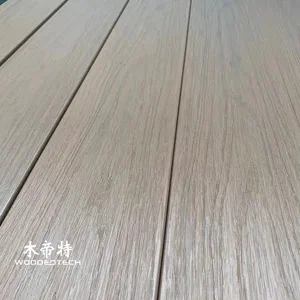
 GD13823-3 Composite Boards for Decking Are Available in Multiple Stock Colors with 3 Meter Lengths and Single Piece Delivery
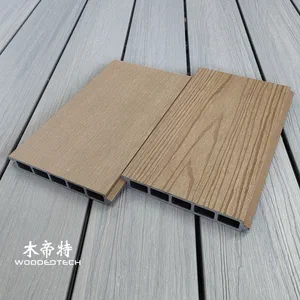 3DGL18024 WPC Longboard Fence Features Premium Co Extruded 3D Embossed Teak Wood Grain Texture with Realistic Natural Wood Fibers
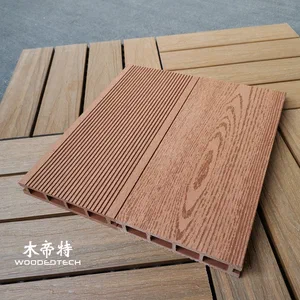 The Classic D14025-4 Red Wood WPC Wood Sheet Features a Timeless 2D Flat Wood Grain Design That Remains Popular After Twenty Years