
Wpc panel types include various designs for exterior walls fences and landscape applications
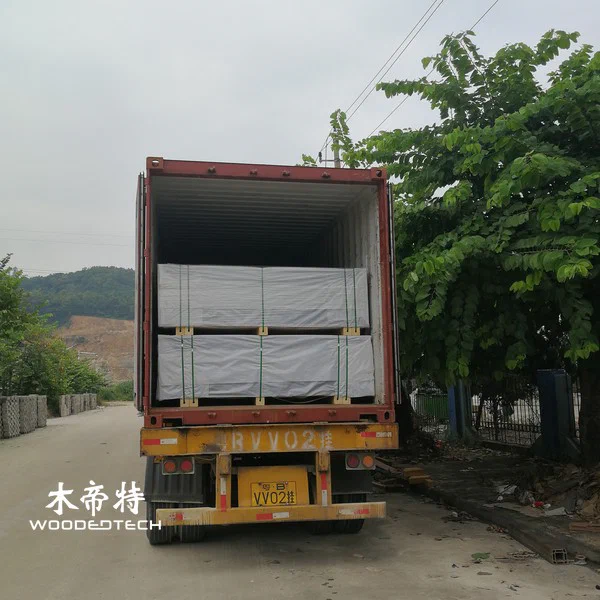
Modern WPC design is moving beyond simple wood-look surfaces. Today’s composite decking, wall panels, fences, pergolas, gazebos, and landscape elements focus on cleaner profiles, richer textures, and modular systems that make outdoor spaces look more refined and easier to build.
Design direction in modern outdoor WPC
The strongest trend is visual consistency across the whole project. Instead of mixing unrelated materials, designers now use matching composite decking, exterior wall panels, and fence systems to create one continuous style. Dark charcoal, warm teak, sand beige, and weathered gray remain popular because they suit both residential and commercial spaces.
Texture matters just as much as color. Deep wood grain, brushed finishes, fluted surfaces, and 3D panel effects add depth without the maintenance problems of natural timber. These details help a wall, screen, or fence feel architectural rather than purely functional.
Profiles that shape the space
Profile choice changes how a product performs and how it looks. Wide decking boards create a calm, open feel, while narrow slats and linear wall panels add rhythm and height. Grooved, embossed, and co-extrusion surfaces are often selected for better grip, stronger weather resistance, and a more premium appearance.
For pergolas and gazebos, the trend is toward slimmer beams, clean edges, and coordinated louvers or grilles. This keeps the structure light visually, even when it is built for shade or privacy. Landscape products such as planter boxes, benches, and decorative screens work best when their profile details repeat the same language as the main façade or deck.

Modular design for faster, smarter projects
Modular WPC systems are popular because they simplify installation and scaling. Interlocking panels, standard fence modules, and repeatable pergola components reduce labor time and make replacement easier later. For contractors and developers, this also improves consistency across multiple units or larger outdoor developments.
- Wall panels can be combined vertically or horizontally for different façade effects
- Fence modules can shift from privacy screens to decorative boundaries
- Deck tiles and landscape pieces can be rearranged for flexible layouts
- Matching modules help separate dining, lounging, and garden zones without visual clutter
How these trends improve outdoor spaces
Well-designed WPC products do more than cover a surface. They define boundaries, guide movement, soften hard architecture, and bring warmth into outdoor areas that would otherwise feel plain. A fluted wall panel can turn a blank exterior into a feature wall. A coordinated fence and pergola can make a small courtyard feel complete. In landscape applications, durable composite materials keep the look tidy through sun, rain, and heavy use.
FAQ
Q: Why are WPC panels and profiles so popular for outdoor use? A: They combine wood-like appearance with better resistance to moisture, fading, and frequent maintenance. That makes them practical for walls, fences, decks, and garden structures.
Q: Which WPC design features look most modern? A: Linear slats, fluted textures, darker neutral colors, and modular panel layouts are the most common modern choices. They create a clean, architectural look.
Q: Can the same WPC style be used across decking, fencing, and pergolas? A: Yes, and that is one of the biggest design advantages. Matching colors and textures across different products creates a unified outdoor space.
Related Articles
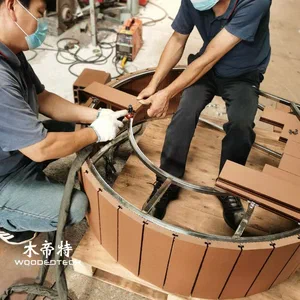 Outdoor decorative wall panel wood plastic materials enhance exterior spaces with modern designs
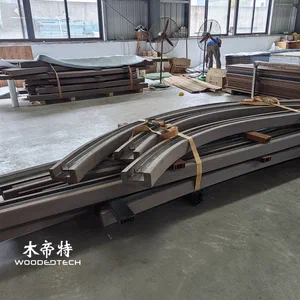 WPC co extrusion decking offers enhanced surface protection with modern outdoor flooring designs
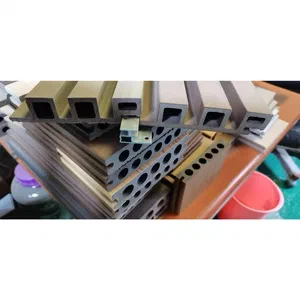 Exterior 3d wall panels create unique textured designs for modern building facades
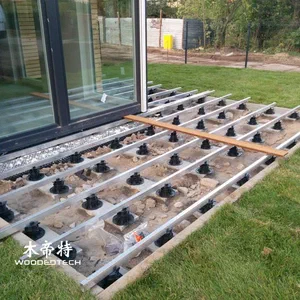 Exterior wpc panel provides durable and decorative solutions for outdoor wall applications
Related Products
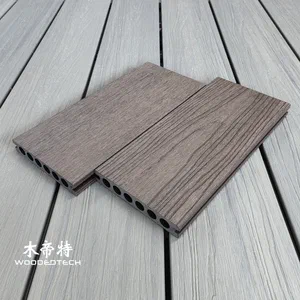 3DGD13823 Second Generation 3D Embossed Rosewood Composite Balcony Decking Delivers Ultra Realistic Wood Grain Texture and a Premium Natural Wood Experience
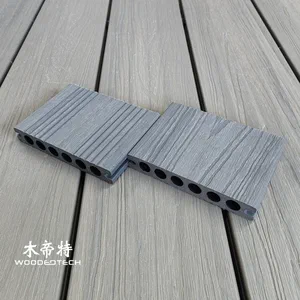 GD13823-3 Light Grey Premium Co Extrusion WPC Composite Decking Offers LG Texture and Excellent UV Resistance for Outdoor Spaces
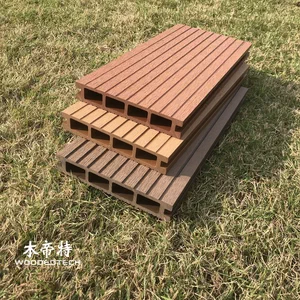 D14025-3 Square Hole Double Sided Grooved WPC Board Factory Producing Outdoor Decking Boards With Good Slip Resistance