WPC Panel Sealing: Industrial Solutions and Best Practices for 2026
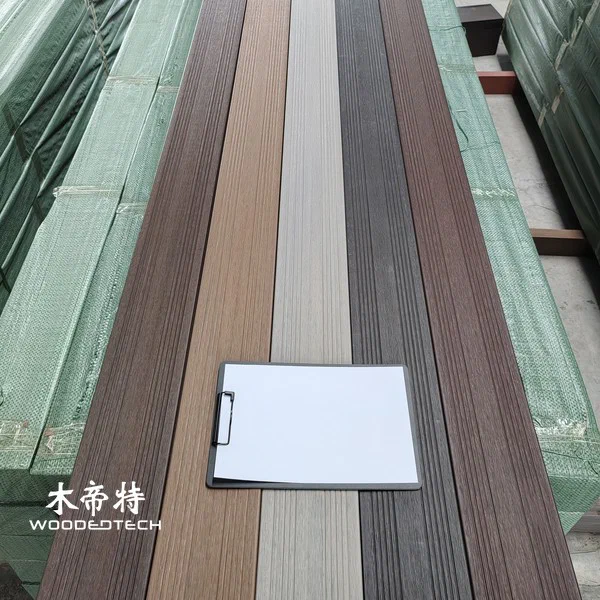
WPC panel sealing is a critical production step that improves outdoor performance by reducing moisture penetration, protecting the core structure, and extending service life. For industrial WPC manufacturers, reliable sealing depends on precise material preparation, extrusion control, mold engineering, cooling calibration, and surface finishing.
Complete WPC extrusion process for sealed outdoor panels
The process begins with material mixing, where wood fiber, recycled or virgin polymers, additives, pigments, lubricants, and stabilizers are blended according to the required application. The formula must maintain a balanced wood-plastic ratio to achieve strength, dimensional stability, weather resistance, and good extrusion performance. Moisture control is especially important because excessive water content can create bubbles, weak bonding, and surface defects.
After mixing, the compound is processed through pelletizing or direct extrusion preparation. Pelletizing creates uniform WPC granules with consistent composition, making storage and production management easier. During extrusion, the pellets are heated and plasticized inside the extruder barrel before entering the forming stage.
Temperature control is one of the most important factors in outdoor WPC panel production. Different barrel zones require carefully adjusted temperatures to ensure complete melting without damaging wood components. Excessive heat may cause discoloration and material degradation, while insufficient heat can lead to poor fusion and unstable panel structures.
Mold design and sealing performance
The extrusion mold determines the final WPC panel profile, thickness, surface structure, and sealing quality. A well-designed mold provides even material flow, balanced pressure distribution, and consistent wall thickness. For sealed WPC panels, the mold must support smooth surface formation and minimize internal stress that can cause cracking or deformation.

Cooling calibration follows extrusion molding and directly affects product accuracy. Vacuum calibration systems shape the hot profile while cooling tanks gradually reduce temperature to stabilize dimensions. Proper cooling prevents warping, shrinkage, and uneven sealing performance.
Surface treatment and production control
After calibration, WPC panels may receive surface treatments such as sanding, brushing, embossing, co-extrusion protection layers, or UV-resistant coatings. These treatments improve appearance while enhancing resistance against sunlight, scratches, and outdoor environmental exposure.
Common production problems include surface bubbles caused by moisture, color differences from unstable mixing, deformation from uneven cooling, and poor sealing caused by incorrect temperature or pressure settings. Regular equipment maintenance, material testing, and process monitoring help manufacturers maintain consistent quality for large-scale outdoor applications.
For industrial buyers selecting WPC solutions, sealing quality should be evaluated together with raw material formulation, extrusion technology, surface protection, and production experience. A complete manufacturing approach ensures WPC panels deliver reliable performance in exterior walls, decking systems, and other outdoor environments.
FAQ
Q: Why is sealing important for outdoor WPC panels? A: Sealing reduces moisture absorption and protects the internal structure, helping WPC panels maintain durability in outdoor conditions.
Q: What causes sealing defects during WPC extrusion? A: Common causes include improper temperature settings, excessive material moisture, uneven cooling, and incorrect mold design.
Q: How does co-extrusion improve WPC panel performance? A: Co-extrusion adds a protective outer layer that improves UV resistance, stain resistance, and weather durability.
Go deeper on WPC panel sealing
- Troubleshoot common sealing defects
- Compare co-extrusion and surface coating
Related Articles
 WPC Wall Panel Full Form Explains the Meaning of Wood Plastic Composite Wall Materials
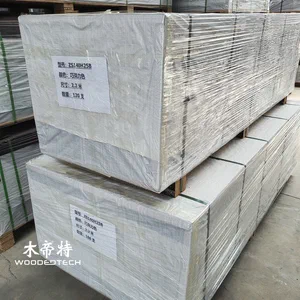 wood plastic composite wall panel hs code information helps importers understand international shipping requirements
 4.8 Meter Composite Decking Boards Provide Long Board Options for Professional Outdoor Installations
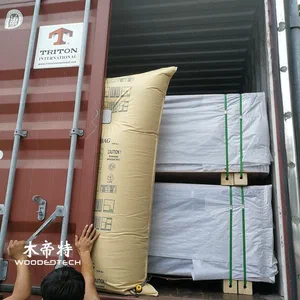 WPC Box Solutions for Industrial Packaging Applications in 2026
Related Products
 B17010 Plastic Wood Look Siding Provides Decorative Thin Boards for Modern Outdoor Wall Applications
 B7112 WPC Panel Design Exterior Boards Offer Stocked Fence Strips for Outdoor Decoration and Edge Finishing
 WPC Wall Panel Accessories Offer Complete Solutions with Various Common and Specialized Installation Parts