
wpc panel roof offers a practical outdoor covering solution with weather resistant properties
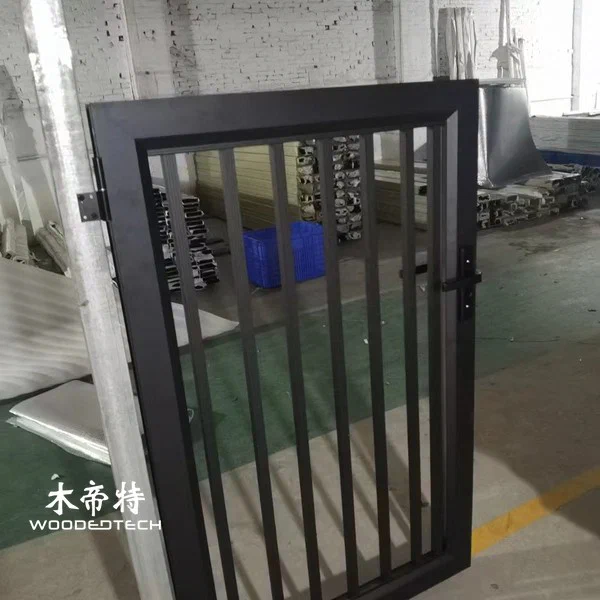
WPC panel roof is a practical outdoor covering solution designed to handle sun, rain, and everyday exposure with stable performance. It is widely used in residential, commercial, and public projects where a clean appearance and low maintenance are both important.
Where WPC panel roof works best
For residential gardens, a WPC panel roof is ideal over patios, seating corners, barbecue zones, and carport extensions. It creates a sheltered area without the heavy upkeep of timber, and its weather-resistant properties help it hold up well in humid, rainy, or high-UV environments.
In commercial landscapes and hotels, WPC panel roof systems are often used for entrance canopies, walkway covers, outdoor dining zones, and poolside shade structures. These areas need materials that look refined, resist fading, and stay presentable with minimal maintenance. WPC also matches well with modern cladding, decking, and railing systems for a consistent design language.
Parks, balconies, swimming pool areas, and public facilities need products that can handle frequent use and changing weather. A WPC panel roof is suitable for covered rest areas, viewing decks, balcony extensions, and waiting zones where slip resistance, moisture tolerance, and long service life matter. For public projects, choose profiles with reliable fastening, strong structural support, and proven UV protection.
Professional application suggestions

When specifying a WPC panel roof, start with the local climate and the intended use of the space. In coastal or high-rain regions, recommend co-extruded or capped WPC options for stronger resistance to stains, moisture, and color loss. For shaded but ventilated areas, a standard WPC profile may be enough if the structure is correctly detailed.
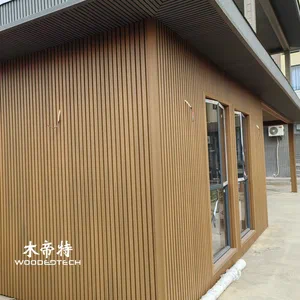
Good installation design matters as much as the material itself. Leave proper expansion gaps, use corrosion-resistant subframes, and ensure drainage so water does not stay trapped on the surface. For larger roofs, consider matching the panel roof with wpc wall cladding or wpc decking to create a unified outdoor system that is easier to maintain and visually consistent.
For hotels, resorts, and commercial facilities, product selection should also consider fire rating requirements, wind load, and replacement convenience. In public projects, standardizing panel sizes and fastening methods can reduce labor time and simplify future maintenance. A professional WPC application engineer should always review the support spacing, slope, ventilation, and edge detailing before installation.
Why buyers choose WPC for outdoor covers
WPC combines the look of wood with better outdoor stability. Compared with natural timber, it is less likely to warp, crack, or rot, and it does not require frequent painting or sealing. That makes it a cost-effective option for projects that need dependable performance and a neat appearance over time.
FAQ
Q: Can WPC panel roof be used in rainy climates? A: Yes. It is suitable for rainy climates when installed with proper slope, drainage, and corrosion-resistant framing.
Q: Is WPC panel roof suitable for commercial projects? A: Yes. It is commonly used for hotels, landscapes, walkways, and public shelter areas because it offers durability and easy maintenance.
Q: What should be checked before installation? A: Check load requirements, support spacing, drainage design, and expansion gaps. These details help the roof perform well outdoors.
Related Articles
Related Products
 B17010 Plastic Wood Look Siding Provides Decorative Thin Boards for Modern Outdoor Wall Applications
 B7112 WPC Panel Design Exterior Boards Offer Stocked Fence Strips for Outdoor Decoration and Edge Finishing
 WPC Wall Panel Accessories Offer Complete Solutions with Various Common and Specialized Installation Parts