
WPC Panel Price Is Determined by Profile Design Material Formula and Production Specifications

:::writing{type=“document” id=“58391” title=“WPC Panel Price Is Determined by Profile Design Material Formula and Production Specifications”} WPC panel price is not decided by raw material cost alone. Profile structure, wood plastic composite formula, additive system, surface treatment, and production standards all directly affect the final value and performance of outdoor WPC products.
For decking, wall cladding, fencing, pergolas, and landscape applications, manufacturers develop formulas by balancing strength, durability, appearance, and cost efficiency. A high-performance WPC panel requires careful control of wood fiber content, plastic ratio, and functional additives to achieve long service life in outdoor environments.
How Material Formula Influences WPC Panel Price
The ratio between wood fiber and plastic is one of the main factors affecting WPC panel performance and cost. Higher wood fiber content can create a more natural wood appearance and reduce material cost, but excessive fiber may increase water absorption, expansion, and weathering risks. A higher plastic ratio improves moisture resistance, dimensional stability, and durability, but increases raw material expenses.
A typical outdoor WPC formulation includes wood powder, recycled or virgin plastic polymers, coupling agents, lubricants, stabilizers, pigments, and reinforcement additives. Each component has a specific role:
- Wood fiber provides natural texture and stiffness
- Plastic improves waterproof performance and processing stability
- Coupling agents strengthen bonding between wood and polymer
- UV stabilizers reduce fading and aging from sunlight exposure
- Antioxidants improve long-term weather resistance
Profile Design and Production Specifications

WPC panel price is also influenced by profile design and manufacturing requirements. Hollow profiles generally reduce material usage and weight, while solid profiles provide higher strength for heavy-load applications. Complex designs, deeper embossing, co-extrusion layers, and customized dimensions require more advanced production processes and equipment.
Surface treatments such as wood grain embossing, sanding, brushing, and protective outer layers can increase manufacturing costs but improve visual quality and market competitiveness. For premium outdoor products, co-extrusion technology is often used to create a protective surface layer that enhances stain resistance, color stability, and lifespan.
Cost Control Without Reducing Product Lifespan
Effective WPC development focuses on optimizing the formula rather than simply lowering material costs. Manufacturers can control pricing by selecting suitable raw materials, improving extrusion efficiency, and designing profiles that reduce waste while maintaining required mechanical performance.
For commercial projects, a balanced formula can provide reliable outdoor performance for many years. Choosing the correct material structure helps prevent common issues such as cracking, fading, deformation, and moisture damage. This approach allows suppliers to offer competitive WPC panel price levels while meeting customer expectations for quality and durability.
FAQ
Q: What factors determine WPC panel price? A: WPC panel price depends on profile design, material formula, additives, surface treatment, production technology, and quality standards.
Q: Does a higher wood fiber ratio always mean better WPC quality? A: No. The wood fiber ratio must be balanced with plastic content and additives to achieve strength, stability, and outdoor durability.
Q: Why are co-extrusion WPC panels more expensive? A: Co-extrusion WPC panels use an additional protective layer that improves weather resistance, appearance retention, and long-term performance.
:::
Related Articles
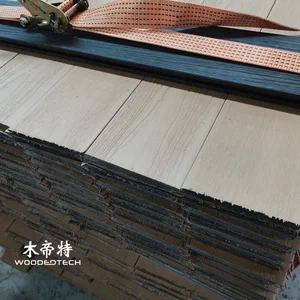 Versatile wood plastic composite sheets for Construction & Design
 Castellation WPC Cladding Provides Unique Exterior Wall Decoration with Modern Texture Design
 WPC Cladding Texture Provides Natural Wood Appearance with Different Outdoor Decorative Effects
 WPC Panel Cost Depends on Product Dimensions Material Quality and Custom Manufacturing Options
Related Products
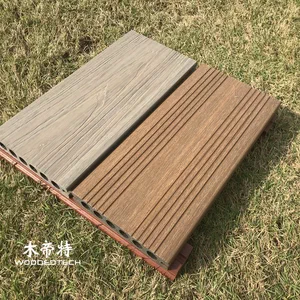 GD13823-3 Second Generation Co Extruded Wood Plastic Composites With High Quality Stable Performance For Premium Outdoor Applications
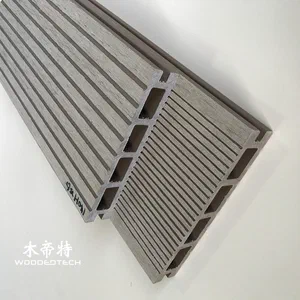 D14025-3 Composite Lumber for Decks Features a Classic Double Sided Groove Design with Excellent Value for Outdoor Projects
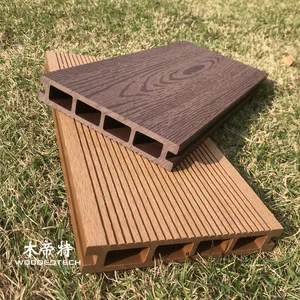 D14025-4 Composite for Decking Provides Stable Performance and Reliable Quality as a Popular Choice for Outdoor Projects