
WPC Panel Flexible Solutions: Applications, Benefits, and Industry Trends
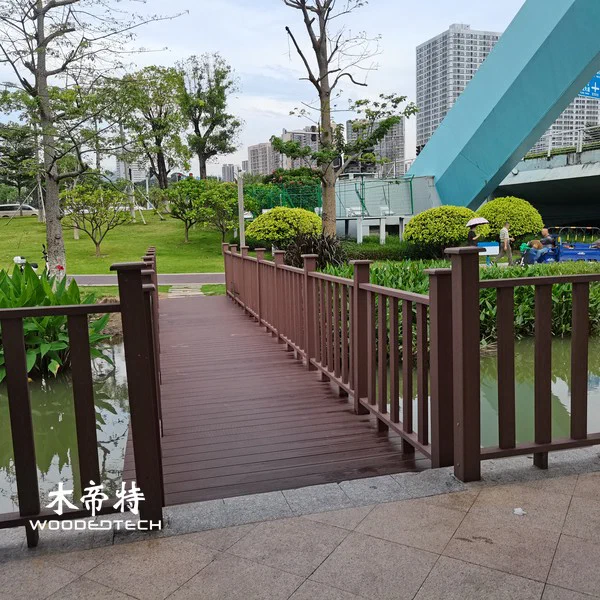
WPC panels offer flexible design options for modern outdoor spaces, combining the natural appearance of wood with the practical advantages of wood plastic composite materials. From exterior wall cladding and privacy fences to pergolas, gazebos, and landscape features, WPC products help designers create coordinated, low-maintenance environments for residential and commercial projects.
Flexible Applications of WPC Panels in Outdoor Design
Modern WPC panels are used across a wide range of exterior applications. On building facades, they create clean architectural lines and add depth through horizontal slats, vertical battens, and decorative wall profiles. For garden boundaries and patios, WPC fence panels and privacy screens provide visual separation while maintaining a consistent design language. Matching composite decking, stair treads, and outdoor flooring can extend the same aesthetic from the building exterior to the surrounding landscape.
WPC materials also support coordinated outdoor structures, including pergolas, gazebos, planter boxes, benches, and decorative grilles. Designers can combine these products to define dining areas, shaded seating zones, garden paths, and poolside spaces. For B2B buyers, a product range built around compatible colors, profiles, and dimensions simplifies project planning and helps distributors offer complete outdoor solutions rather than individual components.
Color, Texture, and Profile Trends
Natural-looking finishes remain a strong direction in contemporary outdoor design. Warm teak, walnut brown, light oak, and muted gray suit a variety of architectural styles, while charcoal and deep brown create contrast against pale facades and green landscaping. Consistent color coordination across decking, wall panels, fencing, and pergolas makes outdoor areas feel more unified.
Texture and profile selection are equally important. Embossed wood grain provides a tactile, timber-like appearance, while brushed finishes offer a more understated surface. Fluted WPC panels and narrow slatted cladding introduce rhythm and shadow, making flat exterior walls more visually engaging. Three-dimensional profiles can emphasize entrances or feature walls without relying on complex decorative elements. When selecting finishes, buyers should also evaluate UV resistance, moisture performance, slip resistance where relevant, and suitability for the intended installation environment.

Modular Design and Practical Performance
Modular WPC systems are increasingly valuable for projects that require consistent results across different layouts. Standardized panel widths, interchangeable slats, coordinated corner details, and compatible fastening systems can simplify installation and reduce on-site cutting. Custom extrusion profiles allow manufacturers to adapt dimensions, surface patterns, and connection details to specific project requirements.
For outdoor decking, fences, pergolas, and gazebos, product design must account for structural support, drainage, ventilation, and thermal expansion. WPC can reduce routine painting and staining compared with conventional timber, although cleaning and periodic inspection remain necessary. Performance varies by formulation, cap layer, profile structure, and manufacturing quality, so technical specifications and installation guidance should be reviewed before procurement.
Industry Trends and Opportunities for B2B Buyers
The market is moving toward coordinated outdoor collections, recycled-material options, refined surface treatments, and customized profiles for residential developments, hospitality projects, and commercial landscapes. Manufacturers that offer OEM services, private-label production, color matching, and flexible extrusion capabilities can help distributors respond to regional preferences and project-specific demands.
For importers and contractors, evaluating WPC panels involves more than comparing unit prices. Consistency between production batches, weathering test data, dimensional tolerances, installation accessories, packaging, and export capacity all affect the finished project. Choosing a supplier that combines design flexibility with reliable quality control makes it easier to develop outdoor product ranges that balance appearance, durability, and installation efficiency.
FAQ
Q: What are the main applications of WPC panels outdoors?
A: WPC panels are commonly used for exterior wall cladding, decorative screens, privacy fences, and architectural features. Coordinated WPC products can also be used for decking, pergolas, gazebos, and landscape furniture.
Q: Which WPC panel finishes are popular in modern outdoor design?
A: Natural wood tones, neutral grays, embossed wood grain, and fluted profiles are popular choices. The best option depends on the building style, surrounding landscape, and required weather resistance.
Q: Can WPC panel designs be customized for wholesale projects?
A: Yes. Many manufacturers offer custom colors, extrusion profiles, dimensions, surface textures, and private-label services, subject to minimum order quantities and production capabilities.
Related Articles
 wpc panel for compound wall: Industrial Applications Guide 2026
 How To Create Wood Plastic Composite Wall Panel Design For Outdoor Buildings
 How To Use Wpc Wall Panel 3d Warehouse For Outdoor Design Planning
 wood wall panel plastic combines decorative wood effects with moisture resistant outdoor performance
Related Products
 B7112 WPC Panel Design Exterior Boards Offer Stocked Fence Strips for Outdoor Decoration and Edge Finishing
 WPC Wall Panel Accessories Offer Complete Solutions with Various Common and Specialized Installation Parts
 GQ13523wpc board wall paneling with antique wood color narrow grille design delivers elegant outdoor wall appearance