
WPC Outdoor Gate Design: Durable Solutions for Modern Commercial Applications
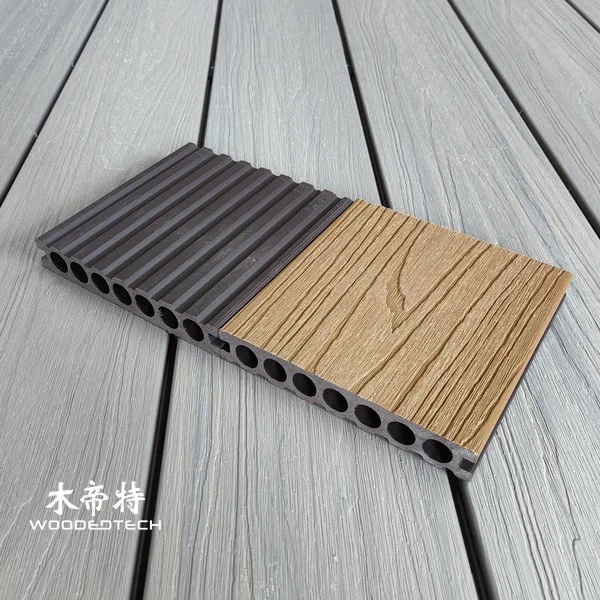
A well-designed WPC outdoor gate provides more than controlled access to a commercial property. It creates a strong first impression while offering privacy, weather resistance, and a consistent architectural appearance. Wood plastic composite (WPC) gates combine the natural look of timber with the practical advantages of engineered materials, making them a suitable option for commercial entrances, office complexes, hotels, residential developments, and public spaces.
Modern WPC Outdoor Gate Design Trends
Modern commercial architecture increasingly favors clean lines, simple geometry, and materials that require less routine maintenance. WPC outdoor gates fit these preferences through a range of colors, surface finishes, and customizable profiles. Instead of traditional solid timber panels, designers are choosing horizontal slats, vertical battens, and mixed-material structures to create entrances that look contemporary without appearing overly decorative.
Horizontal slatted gates remain a popular choice for modern commercial properties. Their long, continuous lines make entrances appear wider and more structured. Vertical profiles create a different visual effect, emphasizing height and giving boundaries a more defined appearance. For projects that require a distinctive entrance, alternating slat widths or combining solid panels with decorative openings can introduce visual interest while maintaining privacy.

Another growing trend is the combination of WPC with aluminum frames. Aluminum provides structural support and a clean metallic finish, while WPC infill panels introduce a natural wood appearance. This combination works particularly well for large commercial gates where dimensional stability, appearance, and dependable daily operation are important considerations.
Choosing the Right Colors and Textures
Color selection has a significant influence on how an outdoor gate complements the surrounding architecture. Contemporary commercial projects often favor neutral and natural shades that coordinate with exterior wall panels, fencing, decking, and landscape elements.
Popular WPC gate colors include:
- Teak and walnut: Warm wood tones that create a welcoming, natural appearance.
- Light oak and natural wood: Suitable for modern hotels, resorts, and landscaped commercial spaces.
- Charcoal and dark grey: Create a sophisticated appearance and complement concrete, glass, and metal structures.
- Black and deep brown: Provide strong visual contrast for contemporary commercial entrances.
- Grey wood grain: Offers a restrained, architectural look that works well with minimalist building designs.
Texture is equally important. Embossed wood grain surfaces reproduce the visual character of natural timber without requiring the same finishing routine as conventional wood. Brushed and matte finishes offer a more understated appearance, while co-extruded WPC surfaces can provide an additional protective outer layer, depending on the product construction.
For commercial applications, buyers should evaluate UV resistance, moisture resistance, color stability, and surface durability alongside appearance. Actual performance depends on the material formulation, manufacturing quality, installation conditions, and maintenance requirements.
Gate Profiles and Structural Design
The profile of a WPC gate affects its appearance, weight, ventilation, and overall construction. Selecting the right profile is therefore an important part of the design process.
Solid WPC boards create a more private entrance and help block direct views into enclosed spaces. Hollow profiles can reduce material weight, making them useful for certain gate constructions when their strength and fixing requirements are properly engineered. However, hollow profiles should not automatically be treated as structural gate components without checking their load-bearing capacity.
Slatted profiles offer a flexible alternative. Narrow gaps allow airflow and filtered visibility, while closely spaced boards provide greater screening. Designers can adjust board widths, spacing, orientation, and color combinations to achieve different architectural effects.
For larger commercial entrances, an aluminum support frame is often worth considering. Gate dimensions, wind exposure, hinge positions, operating frequency, and opening mechanisms should all be assessed during the design stage. WPC infill materials are not necessarily suitable for carrying the full structural load of a large gate.
Modular Designs for Commercial Applications
Modular construction is becoming increasingly important in commercial outdoor product development. Standardized WPC profiles and repeatable installation systems allow manufacturers and contractors to create consistent gate designs across multiple entrances or project locations.
A modular WPC gate system can incorporate interchangeable slats, different infill arrangements, matching fence panels, and coordinated aluminum components. This approach makes it easier to adapt the same design language to pedestrian gates, driveway gates, boundary fencing, and privacy screens.
For developers managing large properties, modular designs can also simplify material planning and replacement. If an individual infill board becomes damaged, a replaceable panel system may reduce the need to rebuild the entire gate. Standardized dimensions can also help streamline manufacturing, packaging, transportation, and installation.
Custom extrusion profiles provide further design flexibility. Manufacturers can develop specific board dimensions, surface textures, colors, and connection details to meet project requirements. For OEM and wholesale buyers, this makes it possible to create coordinated outdoor product ranges rather than sourcing gates and fencing from unrelated product systems.
Integrating WPC Gates with Other Outdoor Products
A commercial entrance looks more professional when its materials and finishes are coordinated with the surrounding outdoor environment. WPC gates can be designed as part of a complete exterior product system that includes composite decking, wall cladding, fencing, pergolas, gazebos, and landscape accessories.
For example, a hotel entrance might combine a dark grey aluminum-framed WPC gate with teak-colored horizontal fence panels and matching composite decking. An office development could use charcoal vertical slats, minimalist WPC wall cladding, and integrated landscape planters to establish a consistent visual identity.
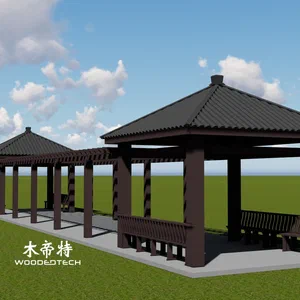
Pergolas and gazebos can also extend the same design language into outdoor seating and reception areas. Matching colors and profile patterns help connect the entrance with pedestrian pathways, gardens, terraces, and communal spaces.
Landscape products such as WPC planter boxes, benches, decorative screens, and boundary panels provide additional opportunities to create a coordinated exterior environment. This integrated approach is especially useful for commercial developments where appearance needs to remain consistent across multiple functional areas.
What Buyers Should Consider When Selecting a WPC Outdoor Gate
Commercial buyers should look beyond the initial appearance and evaluate the complete gate system. Important considerations include material composition, profile dimensions, surface treatment, frame construction, hardware compatibility, and installation requirements.
The following factors deserve particular attention:
- Weather resistance: Check the product’s suitability for local UV exposure, rainfall, humidity, and temperature changes.
- Structural support: Confirm that the frame, hinges, posts, and fixing system can handle the gate’s dimensions and operating loads.
- Surface performance: Evaluate scratch resistance, moisture protection, color stability, and cleaning requirements.
- Design consistency: Match the gate with existing WPC fencing, wall panels, decking, and landscape products.
- Customization: Confirm available colors, textures, extrusion profiles, dimensions, and OEM manufacturing options.
- Compliance: Check applicable fire, safety, accessibility, and commercial building requirements for the intended installation.
A reliable manufacturer should provide clear product specifications, installation recommendations, and technical information to support project planning. For larger developments, requesting samples and testing the proposed construction before mass production can help reduce specification and installation risks.
WPC outdoor gates offer commercial developers, architects, contractors, and distributors a practical way to combine modern design with lower routine maintenance requirements. With the right combination of wood grain textures, contemporary colors, engineered profiles, and modular construction, they can create attractive entrances that work naturally with composite fencing, decking, pergolas, gazebos, and landscape products. Choosing a suitable material system and professionally engineered gate structure helps ensure that the finished installation meets both architectural expectations and the demands of everyday commercial use.
Related Articles

Related Products
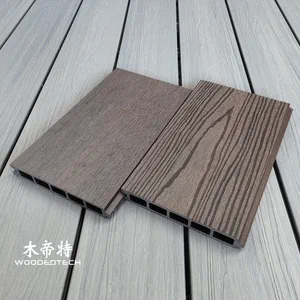 3DGL18024 Composite Fence Panels Feature Premium Co Extruded 3D Embossed Rosewood Grain Texture with Realistic Natural Wood Fibers
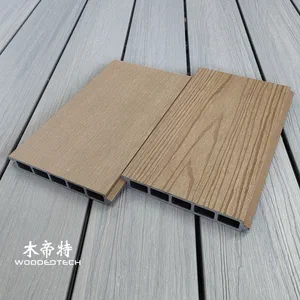 3DGL18024 WPC Longboard Fence Features Premium Co Extruded 3D Embossed Teak Wood Grain Texture with Realistic Natural Wood Fibers
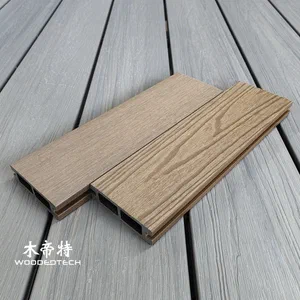 3DGL9024 Composite Fence Features Premium Co Extruded 3D Embossed Teak Wood Grain Texture with Realistic Natural Wood Fibers