
WPC Nearby: A Strategic Guide to Sourcing Reliable Industrial Composite Suppliers
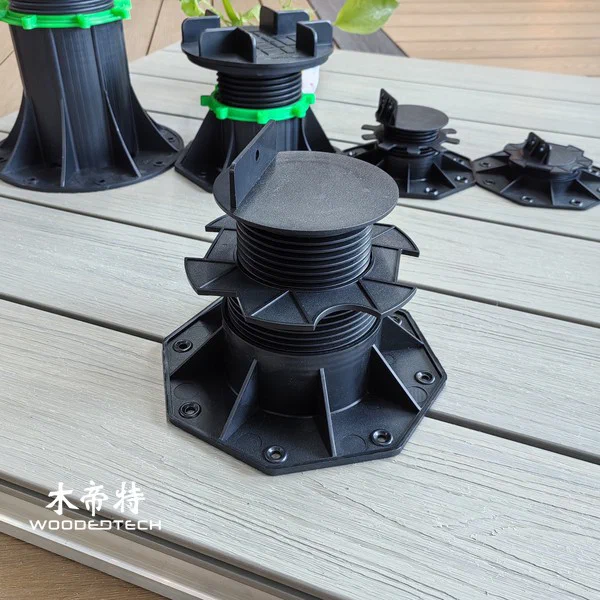
Finding a reliable WPC supplier nearby can simplify communication, factory inspections, sample evaluation, and delivery coordination. However, for overseas buyers sourcing wood plastic composite products, geographic distance should not be the only consideration. A dependable supplier must demonstrate consistent manufacturing capacity, verified product quality, transparent specifications, and the ability to support long-term international orders.
Why Choosing the Right WPC Supplier Matters
WPC products are widely used in outdoor decking, fencing, wall cladding, pergolas, railings, and landscaping projects. Although many suppliers offer similar product photographs and descriptions, their manufacturing processes, raw material ratios, extrusion technology, and quality control standards can differ considerably.
For importers, distributors, contractors, and project developers, choosing the wrong manufacturer can lead to inconsistent colors, dimensional variations, surface defects, premature aging, and unexpected installation costs. These problems become more expensive when products have already been shipped internationally.
Searching for a WPC supplier nearby is a practical starting point because local suppliers may offer faster communication and easier inspections. However, overseas sourcing should also consider manufacturers in established production regions, including China, where specialized factories can provide a wider product selection, OEM services, and competitive bulk pricing.
The best sourcing decision balances product quality, production capability, technical support, and total landed cost rather than focusing exclusively on the supplier’s location.
Evaluate the Factory Before Discussing Prices
A professional WPC manufacturer should be able to explain its production capabilities clearly. Before requesting a quotation, overseas buyers should determine whether they are dealing directly with a factory, a trading company, or an intermediary.
Factory evaluation should cover several important areas:
- Production equipment: Check whether the manufacturer operates its own extrusion lines, surface treatment equipment, and cutting facilities.
- Raw material management: Ask how the factory controls wood fiber, recycled plastics, additives, and color masterbatch.
- Quality inspection: Confirm whether incoming materials, production dimensions, mechanical properties, and finished products are inspected.
- Production capacity: Understand monthly output, standard lead times, and the factory’s ability to handle repeat orders.
- Product development: Check whether the manufacturer can produce customized profiles, colors, textures, and packaging.
Factory photographs and videos are useful for initial screening, but they should not replace independent verification. Buyers can request a live video inspection, arrange a third-party factory audit, or visit the facility when the order value justifies the expense.

A reliable WPC factory should also provide clear information about its export experience, previous international projects, packaging standards, and shipping arrangements. These details help buyers assess whether the supplier understands the practical requirements of overseas business.
Confirm Product Specifications Before Ordering
One of the most common purchasing mistakes is comparing WPC quotations without checking whether the products have identical specifications. Two decking boards may look almost the same in photographs but differ significantly in material composition, construction, weight, and performance.
For wood plastic composite decking, buyers should confirm the following details:
- Material composition: Ask about the wood fiber and plastic types, recycled material content, and relevant additives.
- Board dimensions: Specify length, width, thickness, and dimensional tolerances.
- Construction: Identify whether the product is solid, hollow, capped, or uncapped.
- Surface treatment: Confirm whether the finish is brushed, embossed, sanded, or co-extruded.
- Physical performance: Request relevant data for water absorption, flexural strength, slip resistance, and weather resistance.
- Color consistency: Establish acceptable color variation between production batches.
- Installation accessories: Confirm compatible joists, clips, screws, edge trims, and fastening systems.
For outdoor applications, UV resistance, moisture exposure, temperature fluctuations, and thermal expansion deserve particular attention. Buyers should request technical data sheets and applicable test reports rather than relying on general claims such as waterproof, fade-resistant, or maintenance-free.
It is equally important to understand the difference between standard and co-extrusion products. Co-extrusion decking features a protective polymer cap around the composite core, offering additional surface protection. However, actual performance depends on the cap material, manufacturing quality, and bonding process.
Specifications should be documented in the purchase contract or approved technical attachment. Verbal agreements are insufficient protection when dealing with large international orders.
Compare Samples and Verify Production Quality
Before placing a bulk order, overseas buyers should request physical samples from shortlisted suppliers. Samples allow buyers to evaluate surface appearance, color, texture, dimensional accuracy, and overall workmanship.
For commercial projects, sample testing should go beyond visual inspection. Where necessary, arrange laboratory testing through an independent organization to verify the properties most relevant to the intended application.
A practical sampling process includes:
- Request samples from at least two or three manufacturers using the same target specifications.
- Compare board dimensions, weight, surface finish, and structural consistency.
- Review available performance test reports and certification documents.
- Test installation compatibility with the proposed accessories.
- Keep an approved reference sample for comparison with mass-produced goods.
Buyers should also ask how the manufacturer maintains quality consistency during production. A sample may be excellent while the final shipment contains dimensional differences or inconsistent surface finishes.
For larger orders, consider arranging pre-shipment inspections. An inspection plan can cover product dimensions, quantities, appearance, packaging, labeling, and agreed quality requirements. This provides an additional opportunity to identify problems before goods leave the factory.
Understand Pricing, Shipping, and Purchasing Risks
The lowest quotation does not necessarily represent the best purchasing value. Some suppliers reduce prices by changing material formulations, using thinner profiles, lowering packaging standards, or excluding accessories that other manufacturers include.
When comparing quotations, make sure every supplier is pricing the same product configuration. Request separate details for product costs, customized tooling, packaging, accessories, inland transportation, and international shipping where applicable.
Several common risks deserve attention:
- Unrealistically low prices: Investigate whether the quotation reflects the agreed material composition and product specifications.
- Unclear payment arrangements: Use documented payment terms and avoid transferring funds to unrelated personal accounts.
- Unverified certifications: Check issuing organizations, product scope, test methods, and validity where applicable.
- Uncertain delivery schedules: Confirm production lead times, inspection arrangements, and shipment deadlines in writing.
- Poor export packaging: Check whether products are protected against moisture, impact, and handling damage during transportation.
- Incomplete contracts: Document specifications, acceptable tolerances, delivery terms, claims procedures, and responsibilities for defective goods.
International buyers should also clarify Incoterms, customs documentation, product classification, and destination-country import requirements before confirming an order. Depending on the market, wood plastic composite products may be subject to specific testing, labeling, or environmental documentation requirements.
A dependable supplier will discuss these matters openly instead of making broad promises about delivery and product performance.
Build a Long-Term Relationship With a Qualified Manufacturer
For distributors and importers, supplier selection should consider more than the first purchase. Consistent product quality, stable production capacity, responsive communication, and technical support become increasingly important as order volumes grow.
Chinese WPC manufacturers can be valuable sourcing partners for overseas businesses seeking bulk decking boards, fencing systems, outdoor wall panels, and customized composite profiles. Direct factory cooperation may also provide opportunities for private labeling, OEM production, custom colors, and product development.
Before establishing a long-term agreement, buyers should consider placing a trial order to evaluate the complete purchasing process, from sample approval and production updates to packaging and final delivery. This provides practical evidence of the supplier’s reliability without committing to a large initial investment.
A nearby supplier may offer convenience, but a well-qualified manufacturer with proven export experience can deliver greater value even when located overseas. By evaluating factory capabilities, confirming technical specifications, testing samples, and establishing clear purchasing terms, international buyers can reduce sourcing risks and build a dependable supply chain for their WPC business.
Related Articles
Related Products
 GD13823-3 Composite Boards for Decking Are Available in Multiple Stock Colors with 3 Meter Lengths and Single Piece Delivery
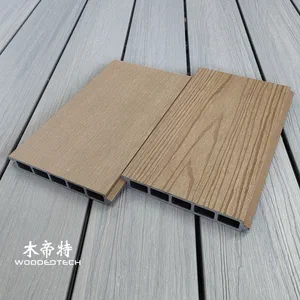 3DGL18024 WPC Longboard Fence Features Premium Co Extruded 3D Embossed Teak Wood Grain Texture with Realistic Natural Wood Fibers
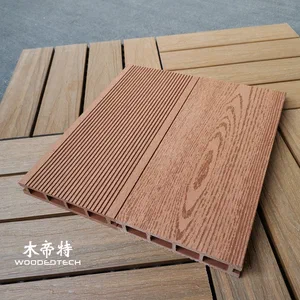 The Classic D14025-4 Red Wood WPC Wood Sheet Features a Timeless 2D Flat Wood Grain Design That Remains Popular After Twenty Years