
WPC Laden: Industrial Applications, Benefits, and Market Opportunities
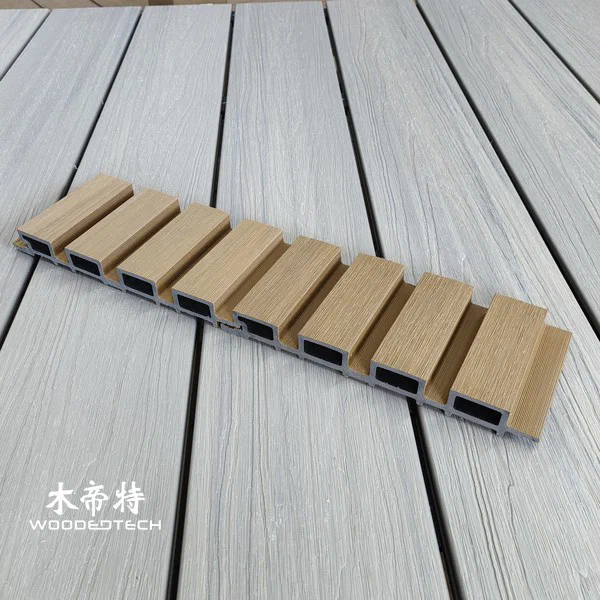
WPC laden products, made from wood plastic composite materials, offer a practical solution for outdoor construction, commercial landscaping, and modern architectural projects. Their combination of wood fibers and polymers provides a wood-like appearance with reduced maintenance requirements, creating opportunities for manufacturers, distributors, and contractors serving international markets.
Industrial Applications of WPC Products
Wood plastic composite materials are increasingly used across residential, commercial, and public infrastructure projects. Composite decking provides durable outdoor flooring for hotels, resorts, restaurants, swimming pool surrounds, balconies, and rooftop terraces. Compared with traditional timber, properly specified WPC decking generally requires less routine maintenance and does not need regular painting or staining.
WPC wall cladding and exterior panels are used in commercial facades, residential developments, office buildings, and hospitality projects. Available in different colors, textures, and profiles, these products support contemporary architectural designs while reducing the need for frequent surface treatment. Composite fencing, privacy screens, and decorative grilles are also suitable for gardens, residential communities, parks, and commercial boundaries.
Pergolas, gazebos, benches, planters, and other landscape products extend WPC applications beyond basic construction materials. Hotels, property developers, municipal authorities, and landscape contractors can use coordinated product ranges to create consistent outdoor environments. For manufacturers, supplying decking, cladding, fencing, and accessories together can increase order value and strengthen relationships with project buyers.
Key Benefits Driving Market Demand
Low maintenance remains a major purchasing consideration. WPC products are generally resistant to moisture-related deterioration, splintering, and insect damage compared with untreated timber, although performance varies by formulation, surface treatment, and installation quality. UV exposure, temperature changes, drainage, and ventilation must still be considered when selecting products for demanding outdoor environments.
Sustainability is another important market factor. Some WPC formulations incorporate recycled plastics and recovered wood fibers, helping reduce demand for virgin raw materials. However, environmental benefits depend on material sourcing, product lifespan, manufacturing processes, and end-of-life recycling options. Buyers increasingly evaluate these factors alongside durability, appearance, and total ownership costs.

Manufacturing flexibility also creates commercial advantages. Extrusion technology supports different dimensions, surface finishes, colors, and hollow or solid profiles. Co-extrusion can add a protective outer layer to improve resistance to staining, fading, and moisture penetration. These options allow suppliers to serve different price segments and develop products tailored to regional construction standards and customer preferences.
Global Market Opportunities and Future Trends
International demand is supported by urban development, outdoor living trends, renovation activity, and investment in hospitality and public spaces. North America offers opportunities in residential decking, fencing, and outdoor entertainment areas. Europe places considerable emphasis on product performance and environmental documentation, while markets across Asia-Pacific and the Middle East offer potential through residential construction, tourism developments, and commercial landscaping.
Future growth opportunities include premium capped decking, realistic wood-grain finishes, modular outdoor flooring, privacy fencing, and integrated pergola systems. Manufacturers can also differentiate themselves through custom extrusion profiles, coordinated color collections, installation accessories, and project-specific dimensions. For importers and distributors, dependable lead times, consistent production quality, clear technical documentation, and competitive landed costs are often more valuable than a low factory price alone.
Exporters entering new markets should verify applicable building codes, fire-performance requirements, slip-resistance expectations, and import regulations before launching a product range. Providing test reports, installation guidance, warranty terms, and transparent material specifications helps reduce purchasing risks. Businesses that combine reliable manufacturing with market-specific product development and responsive after-sales support are better positioned to build lasting international partnerships.
FAQ
Q: What are the main industrial applications of WPC products?
A: WPC products are used for decking, exterior wall cladding, fencing, pergolas, gazebos, benches, planters, and decorative landscape structures in residential and commercial projects.
Q: Which factors should buyers evaluate when sourcing WPC products internationally?
A: Buyers should compare material composition, weather resistance, dimensional stability, certifications, warranty coverage, installation requirements, production consistency, and total landed cost.
Q: Which WPC products offer promising export opportunities?
A: Premium composite decking, exterior cladding, privacy fencing, modular outdoor flooring, and customized pergola systems offer opportunities where durability, design flexibility, and low maintenance meet local market needs.
Related Articles
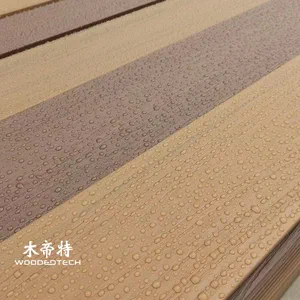
Related Products
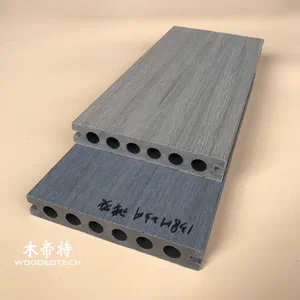 GD13823 Composite Decking Material Features Six Small Round Holes to Reduce Weight While Maintaining Structural Strength
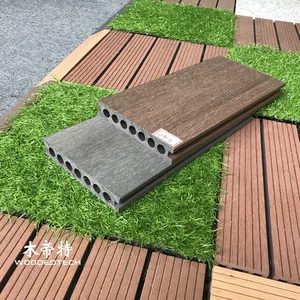 GD13823-2 Wood Versus Composite Decking Features Seven Round Holes with Wood Grain and Brushed Textures on Opposite Sides
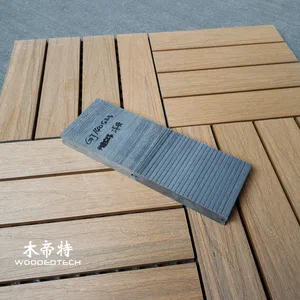 GD14023S Composite Deck Materials Feature a Solid Structure and Side Grooves for Better Adaptability in Extremely Cold Climates