
WPC Jumbo: Industrial Applications, Benefits, and Procurement Considerations
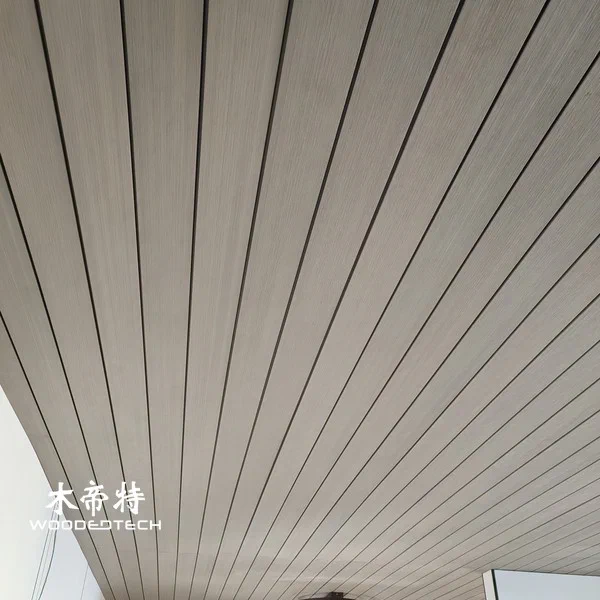
WPC jumbo products are large-format wood-plastic composite profiles designed for applications that require substantial dimensions, consistent appearance, and reliable outdoor performance. Depending on their profile design and material formulation, they can be used in industrial landscaping, commercial developments, public spaces, and architectural projects where durability and manageable maintenance are important.
Industrial and Commercial Applications
WPC jumbo profiles can serve as structural or decorative components in commercial landscaping, hotel grounds, public parks, and large outdoor developments. Typical applications include oversized decking elements, landscape edging, privacy screens, facade features, outdoor seating, and decorative partitions. Their suitability depends on the product’s cross-section, wall thickness, reinforcement, load requirements, and installation method. For industrial projects, engineers should verify whether the selected profile is intended for structural use or only for decorative applications.
In residential gardens, jumbo WPC profiles can create spacious deck platforms, raised planting areas, garden boundaries, and integrated seating zones. For hotels and resorts, they can complement poolside lounges, outdoor dining terraces, entrance walkways, and landscaped courtyards. On balconies and rooftop terraces, engineers should check the allowable loading, drainage, waterproofing, and expansion clearances before specifying the product. Around swimming pools, select profiles with suitable slip resistance and moisture performance, and account for cleaning chemicals, standing water, and frequent barefoot traffic.
Public facilities such as parks, pedestrian promenades, recreational areas, and outdoor visitor centers often require materials that withstand repeated use and changing weather conditions. WPC can help reduce routine painting and surface maintenance compared with conventional timber, although periodic cleaning and inspections remain necessary. For high-traffic installations, specify an appropriate wear surface, secure fixing system, and support spacing. In coastal or exposed environments, evaluate UV resistance, temperature changes, moisture exposure, and corrosion resistance of metal fasteners and supporting components.

Benefits and Engineering Considerations
WPC combines wood-based fibers or flour with thermoplastic polymers and performance additives. The resulting material can provide a wood-like appearance with reduced susceptibility to rot and insect damage compared with untreated timber. Depending on its formulation and manufacturing quality, it may also offer consistent dimensions, color options, and lower maintenance requirements. However, WPC is not automatically suitable for every load-bearing or fire-sensitive application. Engineers should review technical data, relevant test reports, and local building requirements before approval.
Large-format profiles require particular attention to thermal expansion, deflection, fixing details, and installation tolerances. Jumbo dimensions may reduce the number of joints in some designs, but they can also increase handling demands and make transport more complex. Procurement teams should confirm profile dimensions, material composition, tolerances, surface finish, color consistency, minimum order quantities, production lead times, packaging, and delivery arrangements. For custom projects, request samples and technical drawings before approving bulk production. Where structural performance is critical, obtain verified load data and installation guidance from the manufacturer rather than relying on appearance or nominal dimensions alone.
Procurement Recommendations
When sourcing WPC jumbo products, compare suppliers on technical capability, quality control, production consistency, and documented performance rather than unit price alone. Confirm whether the supplier can manufacture custom extrusion profiles, maintain repeatable dimensions, and provide replacement materials for future project phases. Check warranty terms, batch traceability, export packaging, and spare-profile availability. A clearly defined specification and approved sample help reduce disputes, installation delays, and unexpected costs throughout the project lifecycle.
FAQ
Q: Where can WPC jumbo products be used?
A: They can be used in commercial landscapes, hotels, parks, gardens, balconies, poolside areas, and public facilities, provided the selected profile meets the project’s performance and installation requirements.
Q: What should buyers check before ordering WPC jumbo profiles?
A: Confirm dimensions, material formulation, load capacity where relevant, weather resistance, tolerances, testing documentation, lead times, and shipping requirements.
Q: Can WPC jumbo profiles be used for structural applications?
A: Only when the specific profile has been engineered and verified for the intended loads and conditions. Decorative profiles should not be assumed to have structural capacity.
Related Articles
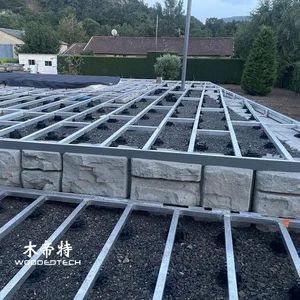
Related Products
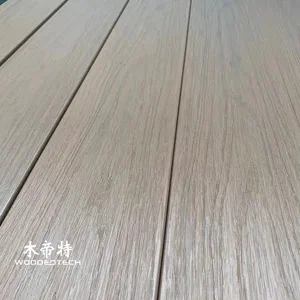
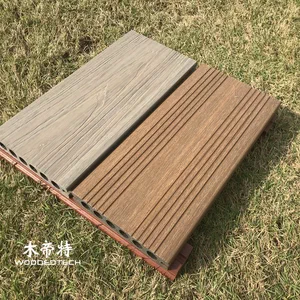 GD13823-3 Second Generation Co Extruded Wood Plastic Composites With High Quality Stable Performance For Premium Outdoor Applications
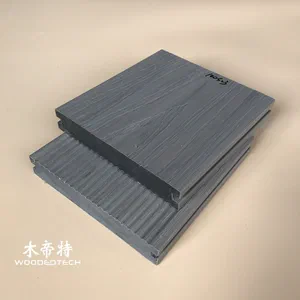
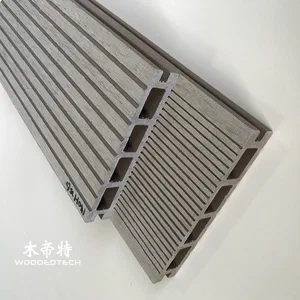 D14025-3 Composite Lumber for Decks Features a Classic Double Sided Groove Design with Excellent Value for Outdoor Projects
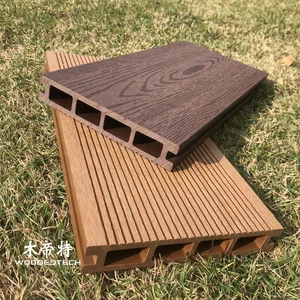 D14025-4 Composite for Decking Provides Stable Performance and Reliable Quality as a Popular Choice for Outdoor Projects