
WPC HS Code: Classification, Import Regulations, and Global Trade Compliance
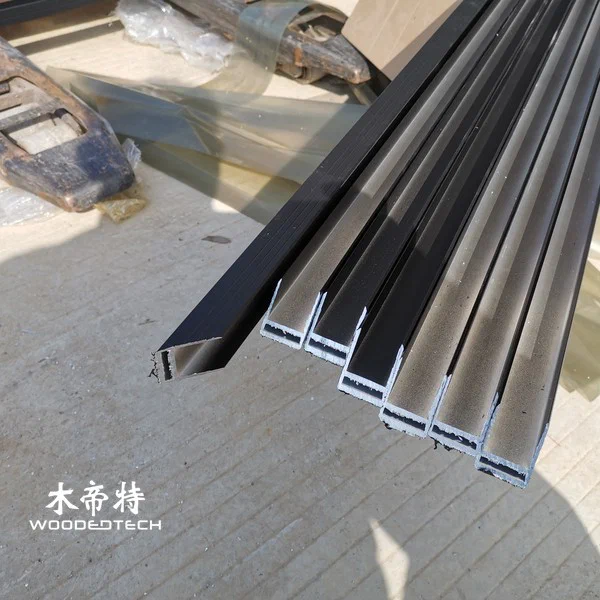
Wood plastic composite (WPC) products are traded internationally under Harmonized System (HS) codes that determine their customs classification, import duties, and regulatory requirements. For exporters, importers, and overseas distributors, selecting the correct HS code is essential for smooth customs clearance, accurate shipping documentation, and compliance with destination-country trade regulations. However, WPC decking, wall panels, fencing, and other outdoor products may fall under different tariff classifications depending on their material composition, structure, processing, and intended application.
Understanding HS Codes for WPC Products
The Harmonized System is an internationally recognized product classification framework developed by the World Customs Organization (WCO). It uses a six-digit code to identify categories of traded goods. Individual countries extend this code with additional digits to establish more detailed national tariff classifications.
WPC products combine wood fibers or wood flour with thermoplastic materials such as polyethylene (PE), polypropylene (PP), or polyvinyl chloride (PVC). Because they contain both wood and plastic, their customs classification is not necessarily the same as that of conventional timber or plastic products.
The correct classification depends on the product’s essential characteristics and the applicable customs interpretation. For example, outdoor WPC decking boards, decorative wall panels, fencing components, and structural profiles may require different classifications. Buyers should not assume that every product from the same WPC manufacturer shares one HS code.
Common HS Code Classifications and Why They Differ
Several customs rulings demonstrate why product-specific classification matters. There is no single universal HS code that applies to all WPC decking products.
For example, US Customs and Border Protection classified one polyethylene-based composite decking product under 3925.90 as builders’ ware of plastics. Another extruded composite decking profile was classified under 3916.10 because it retained a uniform cross-section and met the definition of a plastic profile.
The European Union has also classified a particular wood-plastic decking board under CN code 3918 90 00 as plastic floor covering.
These examples illustrate three important classification possibilities:
- 3916: Certain extruded plastic profiles, including qualifying WPC profiles.
- 3918: Certain plastic floor coverings, depending on their design and intended function.
- 3925: Certain plastic builders’ ware, including qualifying structural building components.
These codes are reference points, not automatic classifications. A different manufacturing process, additional coating, product design, or intended use can change the result. For this reason, importers should verify the applicable tariff code with their local customs authority or a qualified customs broker before placing a bulk order.
Import Regulations and International Trade Compliance
Correct HS code selection is only one part of importing WPC products. Buyers must also check the destination country’s import duties, customs requirements, product safety standards, and applicable trade policies.
For outdoor WPC decking, wall cladding, fencing, and pergola components, the following information is particularly important:
- Import duties and taxes: Check the current tariff rate, VAT or GST, and any additional duties applicable to the country of origin.
- Rules of origin: Determine whether the products qualify for preferential tariff treatment under an applicable free trade agreement.
- Certificates of origin: Arrange the required certificate when preferential duty treatment is claimed.
- Product compliance: Check applicable requirements for fire performance, slip resistance, chemical substances, weather resistance, and construction applications.
- Packaging regulations: Confirm whether wooden pallets or other solid wood packaging require ISPM 15 treatment and marking.
For example, a Philippine tariff classification ruling issued in 2025 classified a specific WPC decking product under AHTN 3925.90.00. Preferential duty rates under certain trade agreements were available subject to the relevant origin documentation.
Importers should also check whether anti-dumping measures, safeguard duties, or other trade restrictions apply to their products and countries of origin. Requirements can change, so tariff information should be checked before each shipment rather than copied from an earlier order.
The International Purchasing Process for WPC Products
A reliable export transaction starts with a detailed quotation. Buyers normally provide product specifications, quantities, dimensions, colors, surface finishes, destination port, and preferred delivery terms. The manufacturer then prepares a quotation covering unit prices, minimum order quantities, production lead times, packaging costs, and shipping arrangements. The HS code should be discussed at this stage, but the final customs classification must be verified for the destination market.
Before confirming mass production, buyers should request physical samples of the selected WPC decking boards, wall panels, or fencing components. Sample approval allows both parties to check color consistency, surface texture, dimensions, structural quality, and installation compatibility. For large orders, an approved reference sample and written technical specifications help prevent disagreements during production.
Packaging and container loading also deserve attention. WPC products are generally packed in protective bundles or cartons, with appropriate edge protection and moisture-resistant wrapping. Manufacturers should consider product length, loading efficiency, container weight limits, and unloading requirements when planning a shipment. Before loading, the exporter should inspect product quantities, packaging condition, labels, and container cleanliness. Photographs of the loading process provide useful records for both the buyer and supplier.
Shipping Documents and Customs Clearance
Accurate shipping documentation helps prevent customs delays, additional inspection costs, and disputes between buyers and suppliers. For most international WPC shipments, the exporter and importer should coordinate the following documents:
- Commercial invoice: States product descriptions, quantities, unit prices, total value, currency, and transaction details.
- Packing list: Specifies package numbers, dimensions, gross weight, net weight, and product quantities.
- Bill of lading: Confirms the shipping arrangement and serves as the main transport document for ocean freight.
- Certificate of origin: Identifies the country of origin and supports preferential tariff claims when applicable.
- Sales contract or purchase order: Records agreed product specifications, prices, payment terms, and delivery conditions.
- Product test reports: Provide supporting evidence of relevant product performance and compliance requirements.
The product description, quantities, declared values, and origin information should remain consistent across the relevant documents. The HS code should also be checked against the importer’s confirmed classification. Incorrect descriptions or inconsistent declarations can lead to customs inquiries, shipment delays, penalties, or unexpected import costs.
For additional security, buyers can arrange a pre-shipment inspection before the container leaves the factory. This provides an opportunity to verify product quality, packaging, quantities, and shipping marks.
Building Long-Term Cooperation with Overseas Distributors
For WPC manufacturers, overseas distributors are important partners in developing international markets. Successful cooperation requires more than competitive factory prices. Distributors need reliable product quality, stable supply capacity, accurate technical information, and responsive after-sales support.
Manufacturers should provide distributors with updated product catalogs, technical data sheets, installation guides, packaging specifications, and relevant test reports. They should also explain product classification information and help buyers obtain the documentation required for local customs clearance.
Clear agreements on minimum order quantities, delivery schedules, payment terms, territory protection, and warranty responsibilities can reduce misunderstandings. Regular communication about market demand, product development, and shipping schedules also helps both parties plan inventory more effectively.
For overseas distributors purchasing outdoor WPC decking, wall cladding, fencing, and other composite building products, a dependable export partner should support the entire purchasing process, from quotation and sample approval to container loading and shipping documentation.

A well-prepared customs classification, supported by accurate product information and coordinated export procedures, gives importers greater confidence when entering new markets. It also helps WPC manufacturers build stable distributor relationships and develop sustainable international business.
Related Articles
 wood plastic composite decking tariff code information helps buyers understand international import classification requirements
 Composite Colors: Performance Evaluation and Specification Guide for B2B Buyers
 Viga WPC Exterior Precio: Industrial Cost Analysis and Supplier Guide
 WPC MPC: Industrial Applications, Performance Standards, and Key Benefits
Related Products
 GD13823-3 Composite Boards for Decking Are Available in Multiple Stock Colors with 3 Meter Lengths and Single Piece Delivery
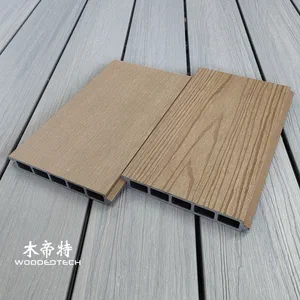 3DGL18024 WPC Longboard Fence Features Premium Co Extruded 3D Embossed Teak Wood Grain Texture with Realistic Natural Wood Fibers
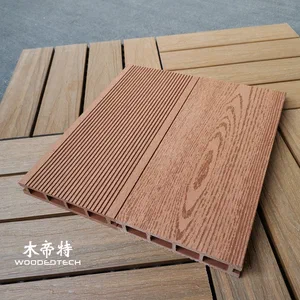 The Classic D14025-4 Red Wood WPC Wood Sheet Features a Timeless 2D Flat Wood Grain Design That Remains Popular After Twenty Years