
WPC hollow decking offers lightweight outdoor flooring solutions with customizable surface textures
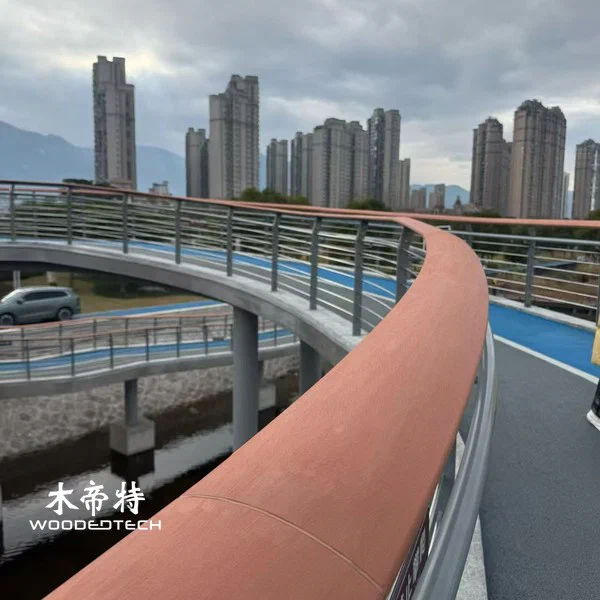
WPC hollow decking is designed to deliver lightweight outdoor flooring with reliable strength, lower material use, and easier installation. The profile shape, internal rib layout, and surface texture all affect how the board performs in service, as well as how it looks and costs to produce.
How profile design changes performance
In WPC extrusion, the profile is not just a shape choice. It controls bending resistance, board feel underfoot, fastening behavior, and how efficiently the material is used. A well-designed profile balances wall thickness, cavity size, and rib placement so the board stays stiff without becoming unnecessarily heavy.
Hollow structures reduce weight and raw material consumption, which helps lower freight costs and makes handling easier on site. Solid structures offer higher impact resistance and a more substantial feel, but they use more material and usually cost more. For most outdoor decking projects, hollow boards are chosen when the priority is practical installation, moderate span performance, and overall value.
Why ribs matter inside the board
Internal ribs are the backbone of a hollow WPC deck board. They distribute load across the profile, reduce warping risk, and improve compression resistance at fastening points. Without proper rib design, a hollow board can feel weak, deflect too much, or fail during screw fixing and thermal movement.
Rib geometry must also support extrusion stability. If ribs are too thin, the profile may cool unevenly and distort. If they are too heavy, the board becomes harder to produce and loses the weight advantage that makes hollow decking attractive. The best designs use enough reinforcement to support foot traffic and typical residential or commercial outdoor use, while keeping the profile clean and economical.
Surface patterns and installation value
Surface texture influences both appearance and function. Smooth faces are easier to clean and often suit modern commercial projects, while wood-grain or embossed patterns create a more natural look and help hide scratches. Anti-slip textures are especially important for poolside areas, balconies, and exposed outdoor flooring where moisture is common.
From an installation perspective, surface design can also affect board alignment and fastening visibility. Deeper textures may help mask minor gaps or color variation, while simpler finishes can speed up quality inspection and maintenance. For buyers, the right texture is a business decision as much as a design choice, because it changes customer appeal and long-term upkeep.
Strength, cost, and the right product match
Choosing between hollow and solid WPC decking depends on the project’s load requirements, budget, and installation method.

- Hollow boards: lighter, more cost-efficient, easier to carry and cut
- Solid boards: stronger feel, better for heavy-duty or high-traffic areas
- Rib-reinforced profiles: improve balance between stiffness and material savings
- Textured surfaces: enhance slip resistance and visual value
For OEM and custom projects, extrusion mold design should match the target market, span distance, and expected climate conditions. A good mold does more than form a board; it defines how the decking performs in real outdoor use.
FAQ
Q: Why are hollow WPC decking boards lighter than solid boards? A: They use internal cavities to reduce material volume while keeping a reinforced outer shell. This lowers weight without removing all structural support.
Q: Do surface textures affect WPC decking durability? A: Yes, texture influences slip resistance, scratch visibility, and maintenance needs. It does not replace structural design, but it improves practical outdoor performance.
Q: When should a project choose solid WPC decking instead of hollow? A: Solid boards are better when higher impact resistance, a heavier feel, or stronger support is required. They are often used in demanding commercial or high-load applications.
Related Articles
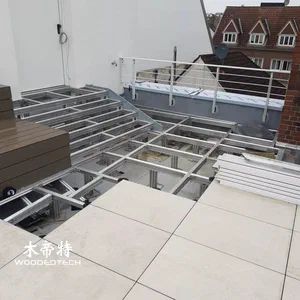 2x6 composite decking provides a practical size option for residential and commercial outdoor decks
 1x8 composite decking provides a versatile board size for residential and commercial deck projects
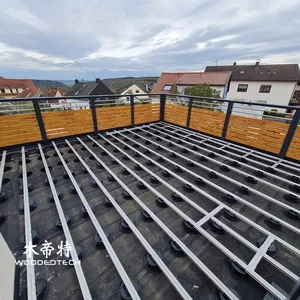 buy wpc decking plank from a professional manufacturer for customized outdoor decking solutions
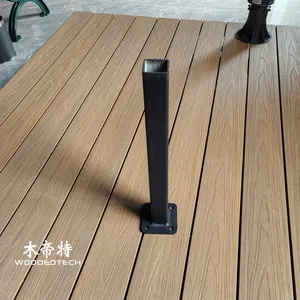 composite decking framework provides a stable foundation system for outdoor deck installation
Related Products
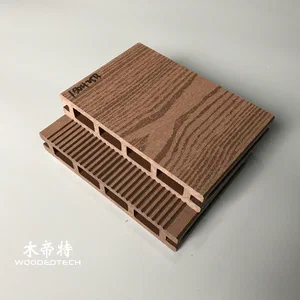 D15025-2 Classic Waterproof Insect Resistant Corrosion Resistant And Termite Resistant Composite Decking Types With Twenty Years Of Sales Experience
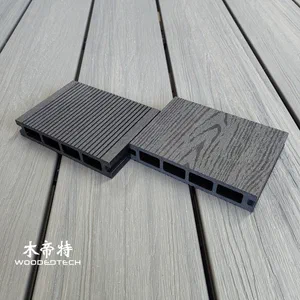 D14025-4 WPC Decking Boards Feature a Flat Wood Grain Surface with Black Ebony Heartwood Ring Grain for Outdoor Applications
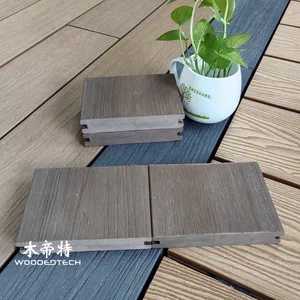 GD14025S Capped WPC Provides a Solid Board Structure for Better Load Bearing Performance and Reduced Space for Insects Inside the Board