
WPC Hohlkammer oder Massiv: Choosing the Right Material for Your Projects in 2024
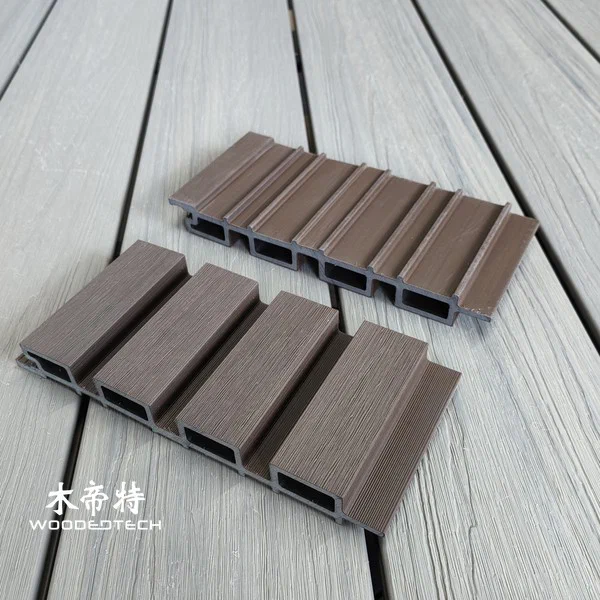
When choosing materials for outdoor projects in 2024, WPC (Wood Plastic Composite) offers a compelling alternative to traditional options like natural wood, timber, and aluminum. This article examines the advantages, disadvantages, maintenance requirements, and lifecycle costs of WPC compared to these other materials.
Advantages of WPC
WPC is known for its durability and resistance to various environmental factors. It doesn’t warp, splinter, or fade like natural wood, making it a safer and more long-lasting option for outdoor use. Additionally, WPC is generally easier to install, often requiring fewer tools and less specialized labor. Its eco-friendly nature, being made from recycled materials, appeals to environmentally conscious consumers.
- Resistant to moisture and pests
- Low maintenance requirements
- Eco-friendly composition
- Easy to install
Disadvantages of WPC
While WPC has many benefits, it also has some drawbacks. One significant concern is the initial cost, which can be higher than that of traditional wood. Moreover, WPC may not have the same aesthetic appeal as natural wood, lacking the unique grain patterns and textures that many homeowners desire. Additionally, WPC can be prone to scratching and may not withstand heavy impact as well as hardwoods.
- Higher upfront cost
- Limited natural aesthetic
- Susceptible to scratching
Comparing with Natural Wood
Natural wood has a timeless appeal, with a unique charm and warmth that many prefer. It can be less expensive upfront compared to WPC, but it comes with significant maintenance requirements. Wood needs regular staining or sealing to protect it from moisture and sun damage, which can be time-consuming and costly over the years. Additionally, wood is more susceptible to rot, insect damage, and warping.

- Aesthetic appeal and warmth
- Lower initial cost
- High maintenance and susceptibility to damage
Traditional Timber
Traditional timber, like cedar or redwood, is often favored for its strength and durability. However, like natural wood, it requires regular maintenance to ensure longevity. Timber can be costly, especially high-quality varieties, and its environmental impact can be significant if sourced unsustainably.
- Strong and durable
- Regular maintenance needed
- Environmental concerns with sourcing
Aluminum as an Alternative
Aluminum is another alternative that has gained popularity in outdoor applications. It offers excellent durability and resistance to corrosion, making it a long-lasting option. However, aluminum can be cold and industrial in appearance, which may not suit all design aesthetics. It is also more expensive than WPC and wood, and while it requires little maintenance, it can become hot under the sun.
- Durable and corrosion-resistant
- Low maintenance
- Higher cost and industrial look
Lifecycle Costs
When considering lifecycle costs, WPC often proves to be a more economical choice in the long run. While the initial investment may be higher than that of wood, the lower maintenance costs and longer lifespan can offset this over time. Natural wood and traditional timber may have lower upfront costs but can incur significant expenses through ongoing maintenance, repairs, and replacements. Aluminum, while durable, generally comes with a higher price tag both initially and throughout its lifecycle.
- WPC: Higher initial cost, lower maintenance
- Natural wood: Lower initial cost, high maintenance
- Traditional timber: Similar to natural wood with high maintenance needs
- Aluminum: High initial cost, lower maintenance, but less aesthetic appeal
Choosing the right material for your outdoor projects in 2024 involves weighing these factors carefully. WPC presents a balanced option for those looking for durability and low maintenance, while natural wood and timber offer traditional beauty at the cost of ongoing upkeep. Aluminum stands out for its longevity but lacks the warmth of wood.
Related Articles
 Innovative Wood Composite Decking Material Solutions for Sustainable Construction in 2023
 Understanding Decking Boards Composite Price: A Comprehensive Guide for 2023
 The Benefits of Composite Decking for Boat Floors: A Durable Choice for 2023
 wood plastic composite decking philippines provides durable outdoor flooring solutions for residential and commercial projects
Related Products
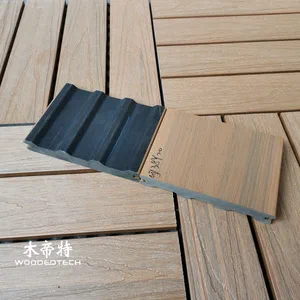 GD13820 M Shape Co Extruded Composite Deck Planks Feature a Special Profile Design for Distinctive Outdoor Decking Applications
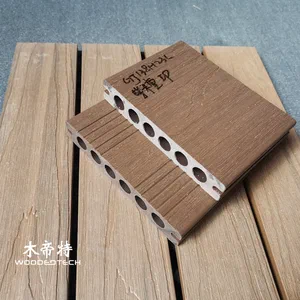 GD13823-3 Composite Boards for Decking Are Available in Multiple Stock Colors with 3 Meter Lengths and Single Piece Delivery
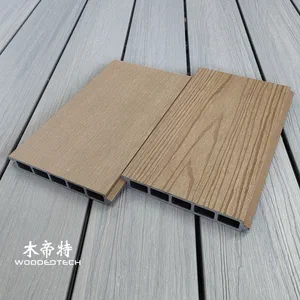 3DGL18024 WPC Longboard Fence Features Premium Co Extruded 3D Embossed Teak Wood Grain Texture with Realistic Natural Wood Fibers