
WPC Garden Fence Panels: A Durable Solution for Commercial Landscaping Projects
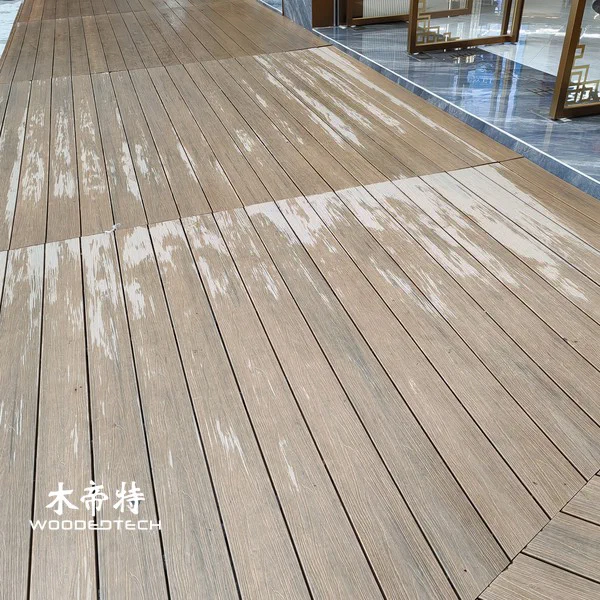
WPC garden fence panels provide architects and landscape designers with a practical way to define outdoor spaces while maintaining a clean, modern appearance. Made from a combination of wood fiber and thermoplastic polymers, these panels offer an alternative to traditional timber fencing, with good weather resistance, reduced maintenance requirements, and flexible design options for commercial landscaping projects.
Why WPC Garden Fence Panels Suit Commercial Landscaping
Commercial outdoor environments place different demands on fencing than residential gardens. Hotels, office parks, shopping centers, public gardens, resorts, and educational campuses need boundary systems that can withstand frequent use, changing weather conditions, and long operating hours. At the same time, fencing must complement the surrounding architecture and landscape design.
WPC garden fence panels address these requirements through a combination of material stability and visual consistency. Unlike conventional timber, quality wood plastic composite does not require routine painting, staining, or wood preservative treatments. This helps facility managers reduce ongoing maintenance work, particularly across large properties where fencing may extend over hundreds of meters.
The composite structure also offers resistance to moisture, insects, and common outdoor deterioration. However, actual performance depends on the formulation, manufacturing process, surface treatment, and installation conditions. Architects should evaluate technical specifications rather than assume that all WPC products offer the same level of durability.
Design Applications in Commercial Outdoor Spaces
Landscape designers use WPC fencing for more than simple property boundaries. Its modular construction and range of colors, textures, and profiles allow it to serve several functions within a coordinated outdoor design.
Common applications include:
- Hotel and resort boundaries: Create attractive perimeter fencing that complements outdoor seating areas, swimming pools, and landscaped gardens.
- Office and commercial parks: Separate pedestrian routes, parking areas, and private outdoor spaces without introducing an industrial appearance.
- Public gardens: Define planting zones, protect landscaped areas, and establish clear circulation boundaries.
- Restaurant and hospitality terraces: Provide privacy between dining areas while maintaining an inviting outdoor atmosphere.
- Residential developments: Create consistent boundary treatments across shared gardens, recreational spaces, and community facilities.
Horizontal slats are often selected for contemporary commercial architecture because they create clean lines and a sense of visual continuity. Vertical profiles can provide a more traditional appearance and may suit projects where a stronger boundary effect is required.
For privacy-focused installations, designers can select closer slat spacing or solid panel configurations. Where airflow and visibility are important, spaced or decorative profiles may be more appropriate. The choice should reflect the intended function rather than appearance alone.
Material Selection: What Architects Should Evaluate
Selecting the right WPC fence panels requires consideration of the project environment, expected service conditions, and installation budget.
First, evaluate the material composition. WPC typically combines wood fibers or wood flour with thermoplastic polymers and additives. The ratio and quality of these components influence dimensional stability, moisture resistance, surface appearance, and mechanical performance. Buyers should request technical data covering water absorption, bending strength, impact resistance, and relevant weathering tests.
Surface technology is another important consideration. Conventional composite profiles may offer a wood-grain finish, while co-extruded WPC products feature an additional protective outer layer. This layer can improve resistance to staining, moisture penetration, and surface wear. For commercial projects exposed to strong sunlight or frequent cleaning, UV resistance and color stability deserve particular attention.
Color selection should also consider the surrounding landscape. Natural wood tones work well with planting, stone paving, and timber-style outdoor furniture. Grey, charcoal, and darker finishes can complement contemporary commercial buildings. Requesting physical samples is advisable because digital color representations may differ from the finished product.
Finally, assess structural requirements. Solid and hollow WPC profiles have different weight, stiffness, and installation characteristics. Panel thickness, internal structure, post spacing, fixing methods, and reinforcement requirements should all be checked against the expected wind loads and fence height.

Project Planning and Installation Considerations
A successful commercial fencing installation starts with site assessment. Architects and contractors should evaluate ground conditions, drainage, exposure to prevailing winds, sunlight intensity, and potential contact with standing water. These factors influence the foundation design, post arrangement, and choice of composite profile.
Thermal expansion is particularly important when specifying WPC products. Like other polymer-based materials, WPC expands and contracts as temperatures change. Installers must follow the manufacturer’s recommendations for expansion gaps, fixing positions, and connections between panels. Insufficient clearance can lead to buckling, distortion, or unnecessary stress on the supporting structure.
The supporting framework is equally important. Aluminum posts and rails are commonly used with composite fencing because they provide a stable structural connection and complement the modern appearance of WPC panels. For taller or more exposed fences, engineers should verify post dimensions, foundation depth, fixing strength, and wind-load resistance.
Drainage should not be overlooked. Posts and panels should be installed in a way that avoids prolonged water accumulation around vulnerable connections. Proper ground clearance also helps reduce exposure to soil moisture and facilitates routine cleaning.
Before installation begins, contractors should confirm panel dimensions, post spacing, corner details, gate connections, and the availability of replacement components. For large developments, a sample installation can help identify design or fitting issues before full-scale construction.
Balancing Initial Cost and Long-Term Performance
Although WPC fencing may have a higher initial purchase price than some basic timber options, its total ownership cost can be competitive over the project lifecycle. Reduced requirements for repainting, staining, and routine surface treatment can lower maintenance expenses and operational disruption.
Commercial buyers should compare more than the price per panel. A realistic project estimate should include:
- Panel and post material costs.
- Supporting framework and connection accessories.
- Foundation and installation expenses.
- Transportation and handling.
- Expected cleaning and maintenance requirements.
- Warranty coverage and replacement availability.
Product warranties should be reviewed carefully, including exclusions related to installation errors, structural damage, environmental exposure, and normal color changes. A lower-priced product may not offer the same service life or technical support as a professionally manufactured commercial-grade system.
For developers managing multiple properties, working with an experienced WPC manufacturer can also simplify procurement. Consistent production specifications, custom profile dimensions, coordinated colors, and bulk supply capabilities help maintain a uniform appearance across different project phases.
Creating Durable Outdoor Environments with the Right WPC Specification
WPC garden fence panels give landscape architects and commercial developers a versatile material for creating functional, attractive outdoor boundaries. Their combination of wood-inspired appearance, reduced maintenance requirements, and adaptable configurations makes them suitable for many hospitality, public, and commercial environments.
The best results come from matching the product specification to actual site conditions. By evaluating material composition, surface protection, structural performance, thermal expansion, and installation details before procurement, project teams can avoid common problems and achieve more reliable results. Choosing a manufacturer that provides clear technical documentation, installation guidance, and consistent product quality further supports successful long-term landscape development.
Related Articles
Related Products
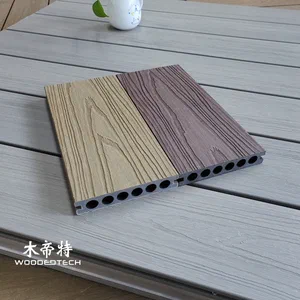
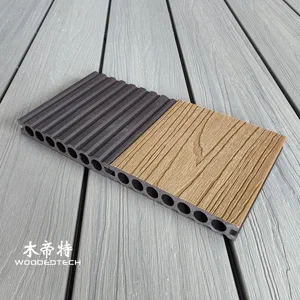
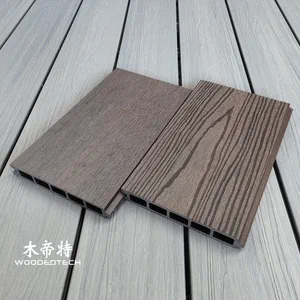 3DGL18024 Composite Fence Panels Feature Premium Co Extruded 3D Embossed Rosewood Grain Texture with Realistic Natural Wood Fibers
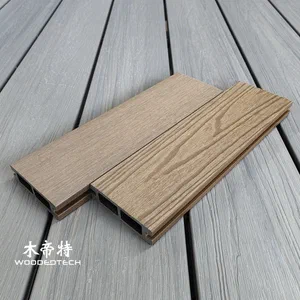 3DGL9024 Composite Fence Features Premium Co Extruded 3D Embossed Teak Wood Grain Texture with Realistic Natural Wood Fibers
 wpc fence boards work with aluminum post systems to make outdoor fence installation easier and more efficient