
WPC for Wall Cladding: Industrial Applications, Benefits, and Material Selection
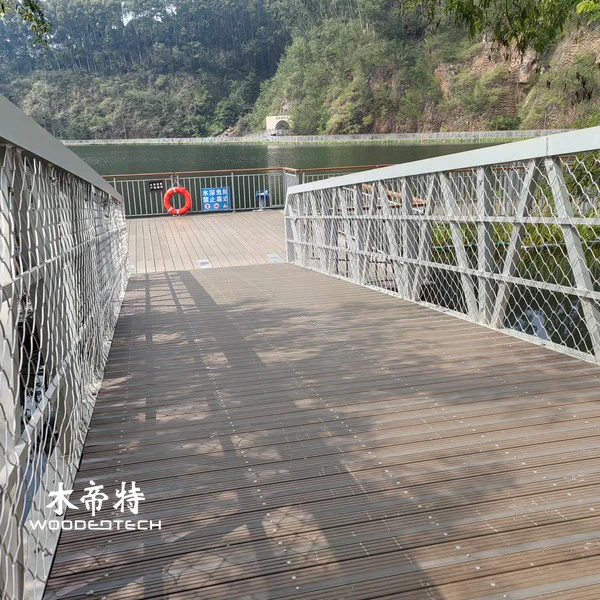
Wood plastic composite (WPC) wall cladding is an exterior and interior wall finishing solution designed for buildings that require a natural wood appearance, weather resistance, and manageable maintenance. It combines wood fibers or wood flour with thermoplastic polymers to create durable profiles suitable for commercial buildings, industrial facilities, and residential projects. Selecting the right WPC cladding system depends on the building environment, installation conditions, performance requirements, and long-term maintenance expectations.
Where Is WPC Wall Cladding Used in Industrial and Commercial Projects?
WPC wall cladding is suitable for a wide range of building applications, particularly where designers want a consistent architectural finish without the regular maintenance associated with natural timber. In industrial facilities, it can be used on office sections, reception areas, staff facilities, exterior feature walls, and non-process building façades. Its wood-like appearance helps soften the visual character of large industrial structures while maintaining a practical exterior finish.
For warehouses, logistics centers, and manufacturing facilities, WPC cladding is particularly useful on administrative buildings, entrance areas, canopies, and designated architectural sections. It provides a clean, modern appearance and can be specified in different colors, textures, and profile dimensions to match corporate building designs. However, it should not automatically be treated as a structural wall material or a replacement for fire-rated industrial envelope systems. Project specifications must account for fire regulations, structural requirements, and the operating environment.
Commercial landscapes also offer opportunities for WPC wall panels. Shopping centers, office complexes, restaurants, and retail developments can use them for entrance façades, decorative partitions, outdoor seating enclosures, and landscape feature walls. For large commercial projects, consistent profile dimensions and color batches are important because they help maintain a uniform appearance across multiple buildings and installation areas.
Residential and Hospitality Applications
In residential projects, WPC wall cladding is commonly used on exterior façades, garden walls, balcony feature walls, outdoor kitchens, and covered patio structures. Homeowners can choose wood-grain finishes to complement landscaping, decking, and outdoor furniture. For balconies, lightweight hollow profiles may help reduce dead load, provided the supporting framework and fixing system are correctly designed.
Hotels and resorts can use WPC cladding in entrance areas, outdoor dining spaces, poolside facilities, garden structures, and selected façade sections. Its consistent appearance makes it suitable for hospitality developments where visual presentation is important. For swimming pool surroundings, designers should consider moisture exposure, cleaning chemicals, ventilation, and slip-resistant flooring requirements. WPC wall cladding can complement poolside decking, but wall panels should not be specified as walking surfaces unless the product is independently designed and tested for that purpose.
Parks and public facilities provide additional applications, including visitor centers, public restrooms, landscape shelters, information kiosks, recreational buildings, and decorative boundary structures. In these environments, resistance to moisture, UV exposure, and frequent cleaning is particularly important. For heavily used public spaces, product selection should also consider impact resistance, vandalism risks, replacement availability, and maintenance access.
Key Benefits of WPC Wall Cladding
The main advantage of WPC cladding is its combination of wood-like aesthetics and polymer-based durability. Compared with untreated natural timber, properly formulated WPC profiles generally require less routine maintenance and are less susceptible to problems such as splintering, fungal decay, and insect attack. They do not require the same regular painting or wood-preservative treatment as many traditional timber products.
Other important benefits include:
- Weather resistance: Suitable formulations can withstand outdoor exposure to rain, humidity, and changing temperatures.
- Design flexibility: Available in different colors, surface textures, dimensions, and profile configurations.
- Consistent appearance: Factory-produced profiles provide more uniform dimensions and finishes than many natural wood materials.
- Reduced maintenance: Routine cleaning is generally sufficient under normal service conditions.
- Material efficiency: Some WPC products incorporate recycled polymers and recovered wood materials, depending on the manufacturer’s formulation.
For buildings exposed to strong sunlight, UV-resistant formulations and suitable surface treatments should be prioritized. In coastal or high-humidity environments, buyers should also evaluate water absorption, dimensional stability, and the corrosion resistance of metal fixing accessories. WPC is not maintenance-free, and product performance varies considerably between manufacturers.
How to Select the Right WPC Cladding Material
Material selection should begin with the installation environment. An indoor decorative wall panel has different requirements from an exterior façade exposed to direct sunlight, wind-driven rain, and temperature fluctuations. Before purchasing, project managers should identify the expected exposure conditions, required service life, applicable building codes, and desired architectural finish.
The next consideration is the WPC composition and manufacturing process. Wood flour content, polymer type, additives, and production quality all influence the finished product’s properties. Buyers should request technical information covering density, water absorption, flexural strength, impact resistance, thermal expansion, and UV weathering performance.

Co-extrusion WPC cladding is another option for demanding exterior applications. This manufacturing method adds a protective polymer-rich outer layer around the composite core. Depending on the formulation and production quality, the outer layer can improve resistance to staining, moisture penetration, and surface fading. However, co-extrusion does not eliminate the need to evaluate the complete product’s performance under actual installation conditions.
Profile selection is equally important. Hollow profiles can reduce material weight and may be suitable for many decorative applications, while solid profiles offer different mechanical characteristics and fixing possibilities. The correct choice depends on panel dimensions, support spacing, wind loads, and the manufacturer’s installation specifications.
Installation and Engineering Considerations
A reliable WPC wall cladding system requires more than high-quality panels. The supporting framework, fixing accessories, ventilation space, drainage arrangements, and expansion allowances all contribute to long-term performance. Installers should follow the manufacturer’s recommended subframe spacing and fastening methods rather than applying standard timber installation practices without adjustment.
For exterior façades, a ventilated cavity is often recommended to help manage moisture behind the cladding. The system should include suitable drainage paths and detailing around windows, doors, corners, and building penetrations. WPC profiles also expand and contract with temperature changes, so installers must provide the specified expansion gaps and avoid fixing panels too tightly.
Fire performance deserves particular attention in industrial, commercial, hotel, and public building projects. WPC products contain combustible polymer components, and their fire behavior varies by formulation. Buyers should request valid fire-test reports and verify compliance with the building codes applicable to the project. Where required, WPC cladding should be integrated into an appropriately tested façade assembly rather than assessed as an isolated decorative product.
Choosing a Reliable WPC Wall Cladding Supplier
For contractors, distributors, architects, and building material wholesalers, supplier evaluation should cover product quality, technical support, production capacity, and customization capabilities. A reliable WPC manufacturer should provide consistent profile specifications, documented test results, installation guidance, and clear information about product limitations.
For large-scale developments, it is worth requesting samples before confirming bulk orders. Check surface texture, color consistency, profile dimensions, edge quality, and compatibility with the proposed fixing system. Buyers should also confirm minimum order quantities, lead times, packaging standards, and the availability of matching accessories.
A well-selected WPC wall cladding system can provide a durable architectural finish across industrial buildings, commercial developments, hotels, residential properties, and public facilities. Matching the material formulation, profile design, and installation method to the actual site conditions is the key to achieving dependable performance and a consistent appearance over time.
Related Articles
 WPC Charcoal Wall Panels: Industrial Applications, Benefits, and Selection Guide
 WPC Wall Panel Importer Can Source Reliable Outdoor Wall Cladding Products from Professional Suppliers
 Decorative WPC panel for wall: Transform Your Interior and Exterior
 How To Choose Wpc Wall Cladding Design For Exterior Decoration Projects
Related Products
 B14011 WPC Paneling Sheets Feature Double Flat Surfaces with Heat Pressed Wood Grain Designs for Outdoor Styles
 B7112 WPC Panel Design Exterior Boards Offer Stocked Fence Strips for Outdoor Decoration and Edge Finishing
 WPC Decking Accessories Provide Complete Installation Components for Professional Outdoor Flooring Projects