
WPC for Gate: Benefits, Applications, and Industrial Procurement Guide
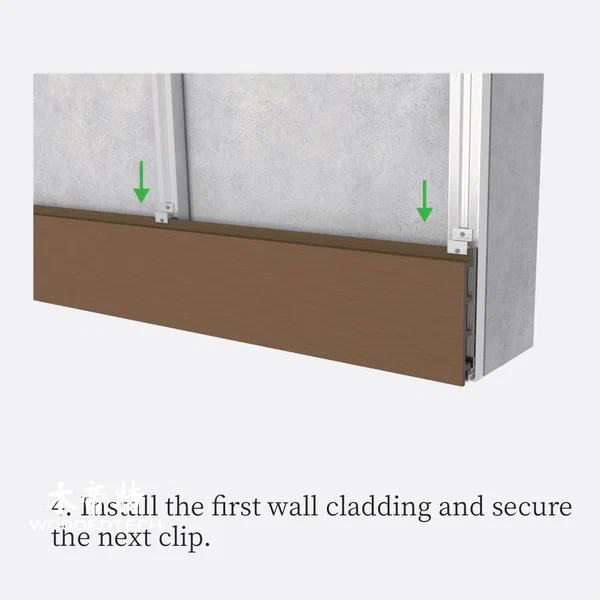
WPC gates provide a practical alternative to traditional timber gates in residential, commercial, and public outdoor environments. Made from wood plastic composite, they combine a wood-like appearance with resistance to moisture, insects, and everyday weather exposure. For property developers, contractors, and industrial buyers, WPC gate systems offer design flexibility, relatively low maintenance requirements, and opportunities for customized production.
Why Choose WPC for Gate Applications?
Wood plastic composite is typically manufactured by combining wood fibers or wood flour with thermoplastic polymers and functional additives. The resulting material offers a balance of appearance, durability, and processing flexibility.
Compared with conventional timber gates, WPC gates do not require regular painting, staining, or preservative treatment. They are also less susceptible to rot, fungal decay, and insect damage. These characteristics make them suitable for outdoor locations where changing temperatures, rainfall, and sunlight can accelerate the deterioration of natural wood.
For industrial procurement, WPC also provides consistent colors, surface textures, and dimensional specifications across production batches. Manufacturers can supply profiles in different widths, thicknesses, and cross-sectional designs to meet specific architectural requirements.
However, WPC is not completely maintenance-free. Buyers should evaluate UV resistance, water absorption, thermal expansion, impact strength, and structural load capacity before selecting a product. The quality of the polymer, wood content, additives, and manufacturing process all influence long-term performance.
Where Can WPC Gates Be Used?
WPC gates are suitable for a wide range of outdoor environments, particularly where appearance, privacy, and weather resistance are important.
Residential Gardens and Private Properties
In residential gardens, WPC gates can serve as entrance gates, side gates, garden partitions, and privacy barriers. Their natural wood-like appearance complements lawns, planting areas, patios, and outdoor seating spaces.
For private properties, horizontal or vertical WPC slats can create different levels of visibility and privacy. Wider profiles provide a more solid appearance, while spaced slats allow airflow and partial visibility.
For driveway entrances, the gate frame should be designed to support the weight of the complete assembly. Aluminum or galvanized steel reinforcement is recommended for larger or heavier gate structures. WPC profiles are generally better suited to infill panels and decorative surfaces than unsupported structural frames.
Commercial Landscapes and Office Developments
Commercial landscapes often require consistent architectural finishes across multiple entrances and outdoor zones. WPC gates can be used around office buildings, business parks, shopping centers, and residential developments.
For these projects, consistent color matching between gates, fencing, decking, and exterior wall cladding helps create a coordinated appearance. Commercial buyers should prioritize durable surface treatments, stable profile dimensions, and reliable batch consistency.
Where gates experience frequent use, reinforced frames, corrosion-resistant hardware, and replaceable components can improve service life and simplify maintenance.
Hotels, Resorts, and Hospitality Projects
Hotels and resorts use outdoor gates to separate guest areas, service zones, gardens, pool facilities, and private accommodation spaces. WPC offers a warm architectural appearance without the intensive maintenance associated with natural timber.
For luxury hospitality projects, wood-grain finishes and customized colors can complement exterior furniture, pergolas, decorative screens, and landscape structures.
In coastal resorts, material selection requires additional attention to salt exposure, moisture, and metal hardware corrosion. WPC profiles should be paired with suitable stainless steel or appropriately protected aluminum fittings.
Parks and Public Facilities
Public parks, recreational areas, and community facilities can use WPC gates for pedestrian entrances, garden enclosures, landscape boundaries, and access-control partitions.
These locations often experience heavy public use and continuous exposure to outdoor conditions. Buyers should consider impact resistance, anti-slip requirements where applicable, vandal resistance, and ease of cleaning.
For larger public projects, modular gate designs are particularly useful. Standardized profiles and replaceable panels allow maintenance teams to repair damaged sections without replacing the entire gate.

Balconies, Swimming Pool Areas, and Outdoor Recreation Spaces
WPC gates can also be incorporated into balcony access partitions, terrace enclosures, and swimming pool perimeter designs.
In swimming pool environments, moisture resistance and surface durability are important considerations. However, a WPC gate should not automatically be treated as a certified pool safety barrier. Projects must comply with local pool fencing regulations, including requirements for gate height, self-closing mechanisms, latches, openings, and climbing resistance.
For balconies and elevated terraces, the gate or railing system must meet applicable structural and fall-protection requirements. WPC decorative profiles should not replace engineered load-bearing components unless the complete system has been tested and approved for that purpose.
Professional Design and Installation Recommendations
Selecting the right WPC gate involves more than choosing a color or profile. The complete assembly must be designed around its intended location, dimensions, opening frequency, and environmental exposure.
Several technical factors deserve attention:
- Profile selection: Solid and hollow WPC profiles offer different weight, stiffness, and material-cost characteristics. Solid profiles may be appropriate for certain impact-prone applications, while hollow profiles can reduce overall weight.
- Frame reinforcement: Aluminum or galvanized steel frames are recommended for large gate panels, swing gates, and frequently operated entrances.
- Hardware selection: Hinges, locks, handles, brackets, and fasteners should be corrosion-resistant and compatible with the gate’s weight and operating requirements.
- Thermal expansion: WPC expands and contracts with temperature changes. Installation clearances and fixing methods must follow the manufacturer’s specifications.
- Surface performance: UV-resistant formulations and suitable surface treatments help maintain color and appearance under prolonged sunlight exposure.
- Drainage and ventilation: Gate designs should avoid unnecessary water accumulation and allow sufficient airflow, particularly in humid environments.
For sliding gates, engineers should also consider track alignment, roller capacity, panel weight, and the operating force required by the selected hardware system.
Industrial Procurement: What Should Buyers Evaluate?
For distributors, contractors, project developers, and OEM buyers, procurement decisions should focus on product consistency and application suitability rather than unit price alone.
Start by requesting technical data sheets covering density, dimensions, weight, water absorption, flexural properties, impact resistance, and relevant weathering performance. For projects with specific fire-safety requirements, request applicable fire-test reports rather than relying on general material descriptions.
Sample evaluation is another important step. Buyers should inspect surface finish, color uniformity, dimensional tolerances, edge quality, and compatibility with the proposed frame and hardware.
For bulk orders, clarify the following specifications with the supplier:
- Profile dimensions, cross-sectional design, and material composition.
- Available colors, wood-grain textures, and surface treatments.
- Custom extrusion capabilities and OEM manufacturing options.
- Production capacity, minimum order quantity, and lead time.
- Packaging, container loading, and export documentation.
- Quality inspection procedures and warranty conditions.
Project buyers should also request installation drawings and recommended fixing details before mass production. This helps prevent compatibility problems between WPC profiles, metal frames, and gate hardware during on-site assembly.
Custom WPC Gate Solutions for Different Markets
Different projects require different combinations of appearance, structural support, and environmental performance. Residential customers may prioritize privacy and decorative finishes, while commercial developers often focus on durability, standardized dimensions, and installation efficiency.
Working with an experienced WPC manufacturer allows buyers to explore customized extrusion profiles, wood-grain textures, color options, and coordinated fencing systems. For large projects, developing a standardized profile range can simplify production planning, inventory management, and future replacement orders.
A well-designed WPC gate should be treated as part of a complete outdoor building system rather than an isolated decorative product. Matching the material specification to the installation environment, reinforcing the structure appropriately, and selecting compatible hardware are essential steps toward achieving reliable performance and a consistent architectural finish.
Related Articles
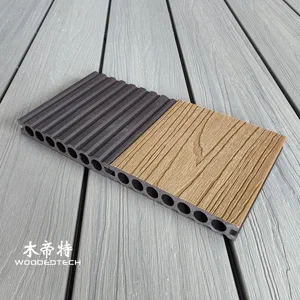
Related Products
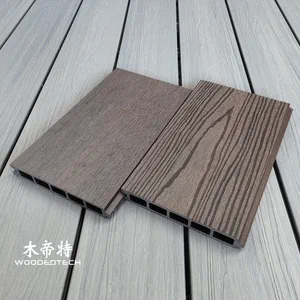 3DGL18024 Composite Fence Panels Feature Premium Co Extruded 3D Embossed Rosewood Grain Texture with Realistic Natural Wood Fibers
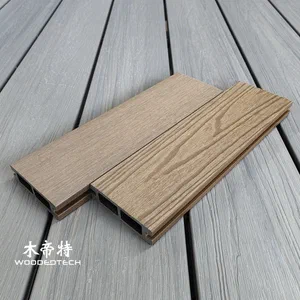 3DGL9024 Composite Fence Features Premium Co Extruded 3D Embossed Teak Wood Grain Texture with Realistic Natural Wood Fibers
 B30014 Plastic Wood 4x8 Sheets Provide Wide Thin Boards for Large Outdoor Display and Surface Applications