
WPC for Exterior Applications: Performance, Durability, and Industrial Selection Guide
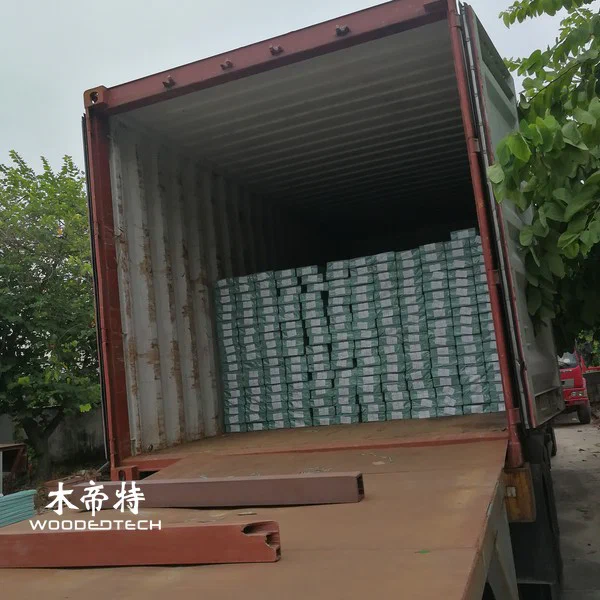
Outdoor WPC (wood plastic composite) offers a practical alternative to natural wood, traditional timber, aluminum, and other exterior building materials. Combining wood fibers or wood flour with thermoplastics and performance additives, WPC provides a balance of weather resistance, dimensional stability, design flexibility, and reduced maintenance. For commercial developments, residential projects, and industrial construction, selecting the right exterior material requires evaluating not only initial purchase prices but also durability, installation requirements, maintenance expenses, and total lifecycle costs.
1. Understanding Outdoor WPC and Its Main Applications
Outdoor WPC is an engineered composite material commonly manufactured using wood fibers, recycled plastics, stabilizers, pigments, and other functional additives. Its composition and production process determine its strength, surface quality, moisture resistance, and suitability for different environmental conditions.
Unlike untreated timber, WPC does not require routine painting, staining, or preservative treatment. It is available in solid and hollow profiles, with different surface finishes, colors, textures, and extrusion designs.
Common exterior applications include:
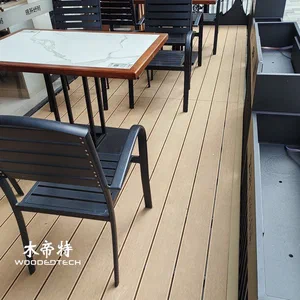
- Decking for residential terraces, commercial walkways, and public spaces.
- Exterior wall cladding for residential and commercial facades.
- Fencing and privacy screens for gardens and outdoor boundaries.
- Pergolas, gazebos, and decorative architectural structures.
- Railings, outdoor furniture, and landscape features.
For projects exposed to frequent rainfall, sunlight, or temperature fluctuations, material selection should consider the specific WPC formulation rather than relying on the general characteristics of composite products.
2. WPC vs. Natural Wood, Timber, Aluminum, and Other Materials
Different exterior materials offer distinct advantages. The most suitable option depends on the project’s structural requirements, environmental exposure, appearance expectations, and maintenance budget.
WPC vs. Natural Wood and Traditional Timber
Natural wood remains popular because of its authentic grain patterns, warm appearance, and established construction methods. However, outdoor timber is vulnerable to moisture absorption, fungal decay, insect attacks, and dimensional movement.
Pressure-treated timber improves resistance to biological damage, while hardwood species such as teak and ipe offer greater natural durability. Nevertheless, both options require appropriate maintenance.
WPC provides more consistent dimensions and does not suffer from the same biological deterioration as untreated wood. It also reduces the need for repeated staining and sealing.
Its disadvantages include a less authentic material feel, possible thermal expansion, and surface fading depending on product quality and UV protection. Lower-grade WPC may also experience cracking, excessive heat absorption, or moisture-related deterioration.
For projects prioritizing natural aesthetics and authentic material characteristics, hardwood remains attractive. For developments seeking predictable appearance and lower routine maintenance, WPC can offer better long-term practicality.
WPC vs. Aluminum
Aluminum is widely used in modern exterior architecture, particularly for fencing, facade systems, louvers, and structural framing.
Its main advantages include low weight, high strength-to-weight ratio, corrosion resistance when properly finished, and excellent dimensional stability. Aluminum also offers strong fire-performance characteristics compared with conventional wood-plastic composites.
However, aluminum generally has higher thermal conductivity, can become hot under direct sunlight, and may produce a distinctly industrial appearance. Scratched coatings can also require repair to maintain protection and appearance.
WPC provides a warmer, wood-like appearance and better suitability for projects seeking natural design aesthetics. However, it cannot automatically replace aluminum in load-bearing or fire-critical applications.
A combined WPC and aluminum system is often a practical solution. Aluminum can provide structural support, while WPC supplies decorative surfaces and screening elements.
WPC vs. PVC and Other Exterior Materials
PVC exterior products offer excellent moisture resistance and relatively low maintenance. However, their mechanical properties, surface appearance, and resistance to impact vary significantly between formulations.
Fiber cement is another common exterior option, particularly for facade cladding. It provides good dimensional stability and can achieve strong fire-performance ratings, but it is heavier and may require more demanding installation procedures.
Natural stone and ceramic exterior tiles offer excellent durability and weather resistance. Their disadvantages include higher structural loading, more complex installation, and potentially greater replacement costs.
WPC occupies a middle position between traditional wood and fully synthetic or mineral-based materials. It combines decorative flexibility with relatively straightforward installation, making it suitable for many non-structural exterior applications.
3. Performance and Durability Under Outdoor Conditions

The durability of outdoor WPC depends on its raw materials, manufacturing technology, profile design, and installation quality.
Moisture resistance is one of its primary advantages. Unlike untreated timber, WPC does not readily absorb water in the same way, reducing the risks of swelling, splintering, and biological decay. However, it should not be described as completely waterproof in every formulation. Water absorption, edge exposure, and internal structure still matter.
UV resistance is equally important. Continuous sunlight can cause fading, surface degradation, and color changes. Quality outdoor products incorporate UV stabilizers, pigments, or protective co-extruded surface layers to improve weathering performance.
For demanding applications, buyers should evaluate:
- Water absorption and dimensional stability.
- UV and color-retention performance.
- Flexural strength and impact resistance.
- Slip resistance for decking and outdoor flooring.
- Resistance to mold and fungal growth.
- Thermal expansion and recommended installation gaps.
- Fire classification and compliance with local building regulations.
Co-extrusion WPC is worth considering for projects requiring additional surface protection. Its outer polymer layer can improve resistance to staining, moisture penetration, and everyday surface wear. Actual performance still depends on the material formulation and independent test results.
4. Maintenance Requirements and Long-Term Ownership
Maintenance requirements directly influence the economic value of exterior materials.
Natural timber typically needs periodic cleaning, sealing, staining, or painting. The frequency depends on the wood species, local climate, surface exposure, and protective coating. Damaged boards may also require replacement because of rot, insects, or cracking.
Aluminum generally requires occasional cleaning and inspection of coatings, joints, fasteners, and connections. Its maintenance burden is relatively low, although damaged finishes should be addressed promptly.
WPC usually requires routine washing with water and a suitable cleaning solution to remove dust, dirt, and organic deposits. Owners should inspect drainage conditions, fastening systems, expansion gaps, and supporting structures periodically.
WPC does not normally require regular painting or staining, although specific cleaning recommendations vary by manufacturer.
For commercial projects, this reduced maintenance workload can be particularly valuable. Hotels, restaurants, apartment complexes, and public facilities often have large exterior areas where frequent maintenance creates labor costs and operational disruption.
5. Comparing Lifecycle Costs and Initial Investment
Initial purchase price alone does not provide a reliable basis for material selection. A lifecycle cost assessment should include procurement, transportation, installation, maintenance, repairs, and replacement over the expected service period.
| Cost factor | Outdoor WPC | Natural timber | Aluminum |
|---|---|---|---|
| Initial material cost | Medium | Low to high | Medium to high |
| Installation | Moderate | Moderate | System-dependent |
| Routine maintenance | Low | Medium to high | Low |
| Moisture-related repairs | Generally low | Potentially high | Low |
| Surface treatment | Usually unnecessary | Often required | Coating-dependent |
| Replacement considerations | Product-dependent | Species and exposure-dependent | Long service potential |
WPC may have a higher initial purchase price than some untreated softwood products, but reduced staining, sealing, and repair requirements can improve its long-term cost position.
Hardwood can deliver a long service life when properly selected and maintained, although premium species and specialist installation increase initial investment.
Aluminum may offer excellent long-term value where structural strength, dimensional stability, and fire performance are priorities.
A useful lifecycle cost calculation is:
Total lifecycle cost = Initial material cost + Installation cost + Maintenance cost + Repair cost + Replacement cost.
For accurate comparisons, project owners should establish a consistent evaluation period and consider local labor rates, climate conditions, expected service life, and warranty coverage.
6. Industrial Selection Criteria for WPC Procurement
For B2B buyers, developers, contractors, and distributors, selecting an outdoor WPC supplier requires more than comparing quotations.
Start by identifying the intended application. Decking requires appropriate load capacity, slip resistance, and installation support, while exterior cladding requires suitable fastening systems, ventilation arrangements, and weather protection.
Next, examine product construction. Solid profiles may be appropriate for applications requiring greater material mass, while hollow profiles can reduce weight and material consumption when properly engineered.
Request technical documentation covering raw material composition, mechanical performance, water absorption, UV resistance, fire classification, and applicable testing standards.
Manufacturing consistency is another important consideration. Buyers should assess extrusion quality, dimensional tolerances, color consistency, surface treatment, production capacity, and batch traceability.
For large commercial projects, supplier evaluation should also cover:
- OEM and customized extrusion capabilities.
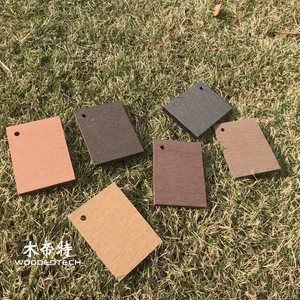
- Available colors, textures, and profile dimensions.
- Production lead times and minimum order quantities.
- Packaging and international transportation arrangements.
- Installation guidance and technical support.
- Warranty conditions and after-sales service.
A reliable WPC manufacturer should provide samples and relevant technical data so buyers can evaluate product suitability before committing to bulk orders.
The final material decision should reflect the actual demands of the project rather than a general preference for composite products. WPC is particularly competitive where wood-like appearance, reduced maintenance, and weather resistance are important. Timber remains valuable for projects emphasizing authentic natural materials, while aluminum and fiber cement are better suited to certain structural and fire-sensitive applications. By comparing verified performance data, installation requirements, and lifecycle expenses, industrial buyers can select an exterior material that delivers dependable performance and commercially sustainable value.
Related Articles
Related Products
 B30014 Plastic Wood 4x8 Sheets Provide Wide Thin Boards for Large Outdoor Display and Surface Applications
 B7015 HDPE Wood Composite Boards Are Commonly Used for Small Outdoor Garden Fence and Decorative Projects
 T10050 plastic wood panels exterior are suitable for creating durable outdoor landscape handrails and railing systems