WPC Flooring What Is It and How Does It Perform in Outdoor Applications

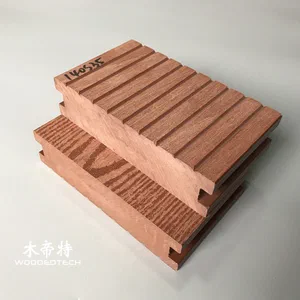
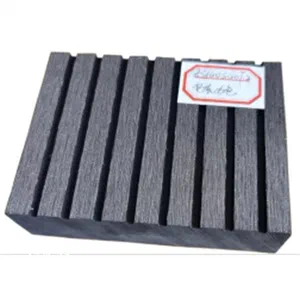
:::writing{variant=“document” id=“48391” title=“WPC Flooring What Is It and How Does It Perform in Outdoor Applications”} WPC flooring is a wood plastic composite solution designed for outdoor environments where durability, low maintenance, and natural appearance are required. It combines wood fibers and polymer materials to create a stable surface suitable for gardens, commercial spaces, hospitality projects, and public landscapes.
Outdoor Applications of WPC Flooring
In residential gardens, WPC flooring is commonly used for patios, walkways, terraces, and outdoor relaxation areas. Homeowners can achieve a wood-like appearance without the frequent maintenance required by traditional timber. Its resistance to moisture, insects, and weather changes makes it suitable for long-term outdoor use.
For commercial landscapes, WPC products provide reliable flooring solutions for shopping areas, office surroundings, restaurants, and outdoor event spaces. When selecting materials for high-traffic locations, consider capped surfaces, anti-slip textures, and proper installation systems to improve service life and user safety.
Hotels and resorts often use outdoor WPC flooring around guest areas, garden paths, rooftop lounges, and recreational zones. The material helps create a premium outdoor atmosphere while reducing maintenance costs. For hospitality projects, matching WPC decking with wall cladding, railings, pergolas, or privacy screens can create a consistent design style.

Professional Suggestions for Different Outdoor Areas
Parks and public facilities require materials that can handle frequent use and changing weather conditions. WPC flooring can be applied in pedestrian areas, viewing platforms, rest areas, and landscape structures. For these projects, engineers should evaluate load requirements, drainage design, surface texture, and installation methods before choosing the right product.
Balconies and swimming pool areas are also suitable applications for WPC flooring. Balcony installations benefit from waterproof performance and easy cleaning, while pool surroundings require slip-resistant surfaces and strong moisture resistance. Using specialized outdoor wpc flooring helps improve safety and appearance in wet environments.
Performance Factors to Consider
As a WPC application engineer, the recommended product selection depends on climate, project scale, and expected usage intensity. Key factors include:
- Weather resistance for outdoor exposure
- Anti-slip surface treatment for wet areas
- UV resistance for color stability
- Proper expansion gaps for temperature changes
- Suitable support structures for long-term performance
A professional installation plan is essential to maximize the advantages of WPC materials. Correct spacing, ventilation, and drainage design help prevent deformation and maintain the flooring’s appearance over time.
FAQ
Q: Is WPC flooring suitable for outdoor applications? A: Yes. WPC flooring is designed for outdoor environments and performs well in gardens, balconies, pool areas, commercial landscapes, and public facilities.
Q: Can WPC flooring be used around swimming pools? A: Yes. Products with anti-slip surfaces and moisture-resistant properties are recommended for swimming pool areas.
Q: How can WPC flooring improve outdoor project designs? A: WPC flooring provides a natural wood appearance with lower maintenance requirements, making it suitable for modern landscape and architectural designs.
:::
Related Articles
 wpc flooring meaning explains the features and benefits of wood plastic composite flooring products
 wpc flooring pros and cons explain the advantages and limitations of wood plastic composite flooring
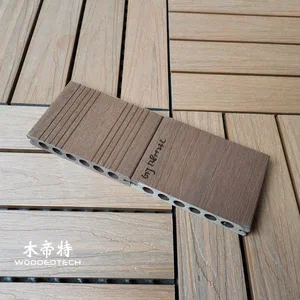 WPC Flooring Cost Depends on Material Quality Design and Project Requirements
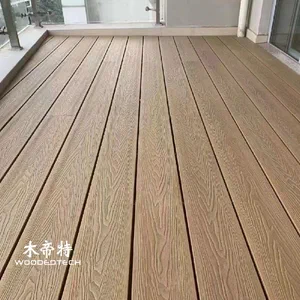 High-Performance wood plastic composite flooring for Modern Exteriors