
WPC Flooring vs LVP: A Comprehensive Comparison for Industry Professionals in 2023
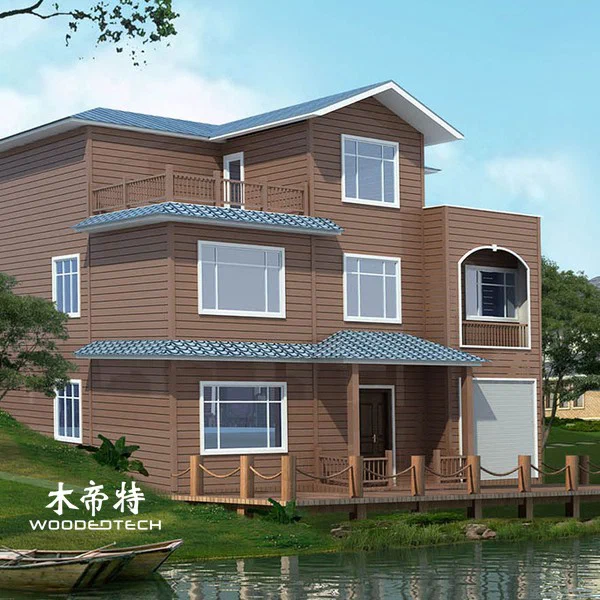
Outdoor flooring materials have evolved significantly, with wood plastic composite (WPC) flooring gaining traction as a versatile choice. This article compares WPC flooring with luxury vinyl plank (LVP), highlighting their respective advantages, disadvantages, maintenance requirements, and lifecycle costs.
Advantages of WPC Flooring
WPC flooring is known for its durability and resistance to common outdoor elements. It typically offers:
- Water resistance: Unlike traditional wood, WPC does not warp or swell when exposed to moisture.
- Low maintenance: Requires minimal upkeep, usually just occasional cleaning with soap and water.
- Eco-friendly: Often made from recycled materials, making it a sustainable option.
- Variety in design: Available in various styles and colors, mimicking the look of natural wood.
Disadvantages of WPC Flooring

Despite its benefits, WPC flooring has some drawbacks:
- Temperature sensitivity: WPC can expand and contract with temperature fluctuations, which may lead to buckling.
- Limited lifespan: While durable, it generally does not last as long as traditional hardwood when subjected to heavy wear.
- Initial cost: Can be more expensive upfront compared to some traditional flooring options.
Advantages of LVP
Luxury vinyl plank (LVP) flooring has surged in popularity for its unique features:
- Waterproof: Like WPC, LVP is completely waterproof, making it an excellent option for wet environments.
- Comfort underfoot: Offers a softer feel compared to harder materials, adding comfort for barefoot walking.
- Easy installation: Often designed for DIY installation with click-lock systems or adhesive backing.
- Design flexibility: Comes in various styles and can mimic natural materials like wood or stone.
Disadvantages of LVP
However, LVP is not without its limitations:
- Less durable than WPC: While resistant to moisture, it can be prone to scratches and dents from heavy objects.
- Limited lifespan: Although durable, LVP may not last as long as some higher-quality flooring options.
- Chemical sensitivity: Some LVP products may emit volatile organic compounds (VOCs), which can affect indoor air quality.
Maintenance Requirements
Both WPC and LVP require minimal maintenance compared to traditional wood flooring.
WPC Maintenance: Regular sweeping or vacuuming, along with occasional cleaning with mild soap and water, is usually sufficient. Avoid harsh chemicals, as they can degrade the material.
LVP Maintenance: Similar to WPC, LVP should be regularly cleaned to prevent dirt buildup. Using a damp mop with a gentle cleaner is recommended to maintain its appearance.
Lifecycle Costs
When evaluating the lifecycle costs, it’s essential to consider both the initial investment and long-term durability.
WPC Lifecycle Costs: While the upfront cost of WPC flooring is generally higher than traditional wood, its longevity and low maintenance can offset this over time. The average lifespan is around 10-25 years, depending on the product quality and environmental exposure.
LVP Lifecycle Costs: LVP often has a lower initial cost, making it attractive for budget-conscious projects. However, its lifespan typically ranges from 10-20 years. Replacement costs can add up if damage occurs or if the flooring is not as durable as expected.
Both WPC and LVP flooring have unique advantages and disadvantages that cater to different needs and preferences. Choosing between them ultimately depends on specific project requirements, budget constraints, and aesthetic preferences. Evaluating these factors will help industry professionals make informed decisions for outdoor flooring solutions.
Related Articles
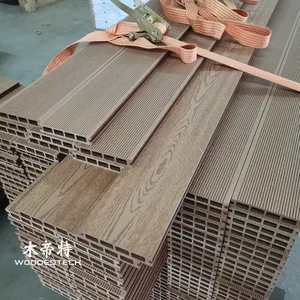 Premium WPC flooring deck: Combining Aesthetics with Durability
 WPC Tile Flooring Provides A Practical Alternative For Outdoor And Indoor Decorative Applications
 What Is The Difference Between Capped And Uncapped Composite Decking for Outdoor Flooring Projects
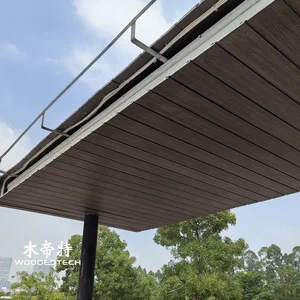 Best Practices for Installing Composite Decking on Stairs: A Comprehensive Guide for 2023
Related Products
 GD13820 M Shape Co Extruded Composite Deck Planks Feature a Special Profile Design for Distinctive Outdoor Decking Applications
 GD13823-3 Composite Boards for Decking Are Available in Multiple Stock Colors with 3 Meter Lengths and Single Piece Delivery
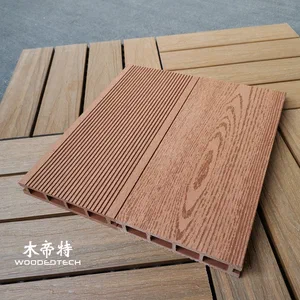 The Classic D14025-4 Red Wood WPC Wood Sheet Features a Timeless 2D Flat Wood Grain Design That Remains Popular After Twenty Years