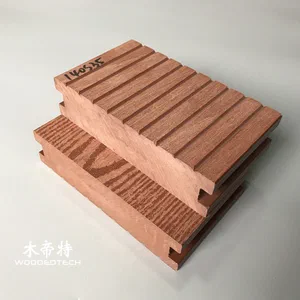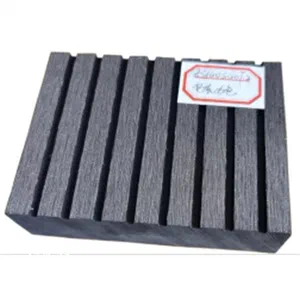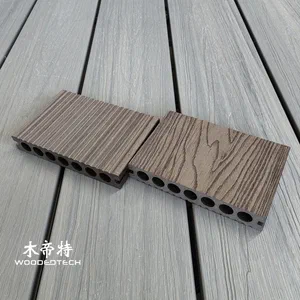
Wpc flooring pros and cons help buyers understand the benefits of composite outdoor materials
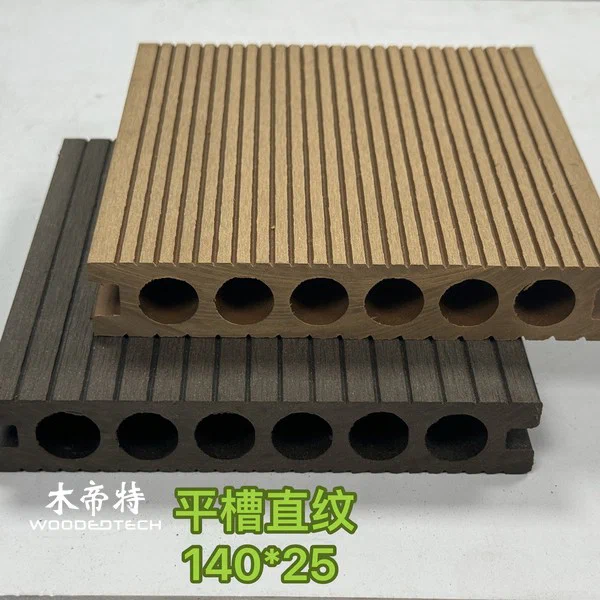
WPC flooring and outdoor decking are popular because they promise the look of wood with less upkeep. For buyers comparing exterior materials, the real question is where wood plastic composite performs better than natural timber, aluminum, and other common finishes, and where it still has limits.
Why buyers choose WPC outdoors
WPC, or wood plastic composite, combines wood fiber and polymer into a stable exterior surface. In practical use, it offers better moisture resistance than natural wood, does not need repainting or sealing, and delivers a consistent finish for patios, terraces, balconies, and pool surrounds.
Compared with natural wood, WPC is less likely to splinter, warp, or attract termites. That makes it attractive for commercial projects and residential spaces where appearance, safety, and predictable maintenance matter. It also comes in a wider range of colors and surface textures than many traditional timber options.
Main advantages
- Low routine maintenance
- Good resistance to rain, humidity, and insects
- Uniform color and profile quality
- Comfortable underfoot compared with bare metal
- Better long-term appearance than untreated timber
Where WPC has trade-offs
WPC is not maintenance-free, and it is not always the cheapest material at purchase. Lower-grade products may fade, scratch, or stain more easily, and dark surfaces can heat up in strong sun. Buyers should also check slip resistance, board structure, UV protection, and installation requirements before comparing quotes.
Natural wood still wins for authentic grain, repair flexibility, and premium architectural character. If a project values a genuine timber feel and periodic refinishing is acceptable, wood can be the right choice. Traditional timber may also cost less initially in some markets, though the maintenance burden often changes the equation.
WPC disadvantages
- Higher upfront price than basic timber in many cases
- Can expand and contract with temperature changes
- Color matching between batches may vary
- Surface damage is harder to repair invisibly
- Quality depends heavily on the supplier and formulation
How WPC compares with aluminum and other exterior materials
Aluminum is strong, lightweight, and highly resistant to moisture, but it feels colder, harder, and more industrial. It is often better for railings, facades, and structural elements than for walking surfaces. For flooring applications, WPC generally provides a warmer, quieter, more natural-looking finish.
Against ceramic tile or stone, WPC is usually easier to install and more forgiving on substructures. Against PVC or plastic decking, WPC often looks more realistic and can offer better rigidity, though not all products are equal. The best choice depends on traffic level, exposure, and the design target.

Maintenance and lifecycle cost
Maintenance is where WPC often proves its value. Cleaning usually means sweeping and occasional washing with mild soap and water. There is no need for annual sealing, staining, or repainting, which reduces labor and shutdown time on busy sites.
Lifecycle cost is more than purchase price. A lower-cost timber deck may need sanding, coating, board replacement, and pest treatment over time. WPC usually costs more upfront, but its lower maintenance and longer service life can make total ownership cost more predictable, especially in humid or heavily used outdoor areas.
FAQ
Q: Is WPC better than natural wood for outdoor flooring? A: For most buyers, yes, if low maintenance and moisture resistance matter more than a natural timber feel. Wood still has an edge in authenticity and repairability.
Q: Does WPC need regular maintenance? A: Only basic cleaning and occasional inspection are usually needed. It does not require sealing or repainting like many timber products.
Q: Is WPC worth the higher price? A: It often is when you consider lifecycle cost, especially for exterior spaces exposed to rain, sun, and heavy foot traffic. The total spend over time can be lower than with traditional wood.
Related Articles
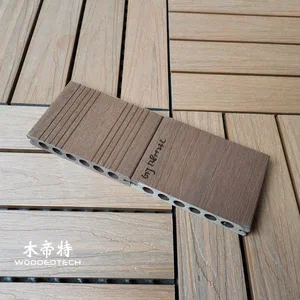 WPC Flooring Cost Depends on Material Quality Design and Project Requirements
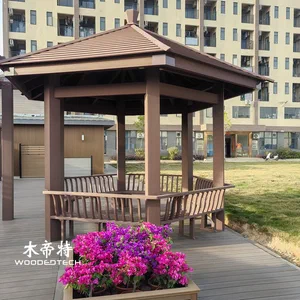 WPC Flooring Section Shows the Structure and Quality of Modern Outdoor Flooring
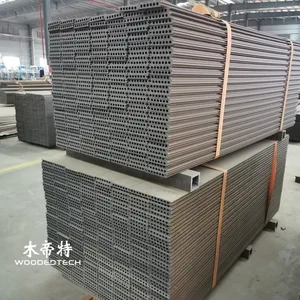 Pros and Cons of WPC Flooring: The Complete Homeowner’s Review
 Cheapest wpc flooring provides cost effective choices for residential and commercial applications