
wpc flooring pros and cons explain the advantages and limitations of wood plastic composite flooring

Outdoor WPC, or wood plastic composite, is widely used for decking, flooring, and other exterior surfaces because it combines a wood-like appearance with the stability of a manufactured material. For buyers comparing exterior options, the real question is not only how it looks on day one, but how it performs after years of sun, rain, foot traffic, and maintenance cycles.
What WPC Does Well
WPC flooring is valued for consistency. Unlike natural wood, it does not warp as easily, and it is far less likely to split, knot out, or demand frequent sealing. For commercial terraces, residential balconies, pool surrounds, and outdoor walkways, that predictability reduces installation risk and makes project planning easier.
Another advantage is maintenance. Most outdoor WPC products need only routine washing, with no sanding, staining, oiling, or repainting. That matters in high-use environments where labor cost is a major part of ownership. WPC also tends to resist moisture better than traditional timber, which makes it a practical choice in humid climates or locations exposed to splash and standing water.
Where It Has Limits
WPC is not a perfect substitute for wood. It usually cannot match the depth, grain variation, or repairability of natural hardwood. Scratches, heat buildup in direct sun, and fading over time can still occur, especially in lower-grade products or installations with poor ventilation.
It also has structural limits. WPC works well as a surface material, but it is not always the best choice for heavy-load applications unless the product is engineered for that use. Buyers should also compare capped and uncapped grades carefully, because surface protection and long-term color retention vary widely by formulation.
How It Compares With Other Exterior Materials

Compared with natural wood, WPC usually wins on maintenance and moisture resistance, while wood wins on authenticity, tactile feel, and ease of spot repair. Compared with traditional timber, WPC is less sensitive to insect damage and weather movement, but timber can be cheaper at purchase and may be preferable where a natural aging process is desired.
Against aluminum, WPC feels warmer underfoot and is usually quieter in use, but aluminum is lighter, more dimensionally stable, and often stronger in long spans or framing systems. Aluminum also handles extreme weather well, though it can feel less natural and may cost more when the full system is considered.
Compared with concrete, stone, or ceramic exterior tile, WPC is generally easier to install and more forgiving on substructures. Those harder materials may last longer in certain settings, but they can be colder, more brittle, and more expensive to replace if damaged.
Lifecycle Cost Perspective
The first price of WPC is usually higher than basic softwood, but lifecycle cost is often lower because maintenance is simpler and replacement intervals can be longer. The best comparison is not material cost alone, but total cost over 10 to 20 years, including cleaning, coatings, labor, repairs, and downtime. For many projects, WPC delivers its value through lower upkeep rather than the lowest purchase price.
FAQ
Q: Is WPC better than wood for outdoor flooring? A: It is better when low maintenance, moisture resistance, and stable appearance matter most. Wood is better when the project prioritizes natural character and easier local repairs.
Q: Does WPC need maintenance? A: Yes, but only basic cleaning in most cases. It does not usually need sealing, staining, or painting like timber.
Q: Is WPC cost-effective in the long run? A: Often yes, especially in commercial or high-traffic outdoor areas. The higher upfront cost is frequently offset by lower maintenance and replacement spending.
Related Articles
 wpc flooring meaning explains the features and benefits of wood plastic composite flooring products
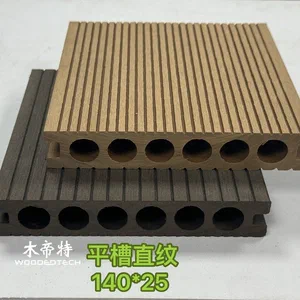 Wpc flooring pros and cons help buyers understand the benefits of composite outdoor materials
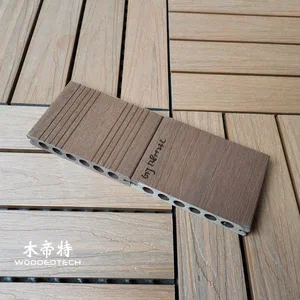 WPC Flooring Cost Depends on Material Quality Design and Project Requirements
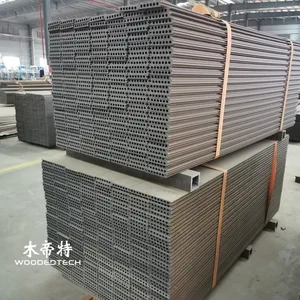 Pros and Cons of WPC Flooring: The Complete Homeowner’s Review
Related Products
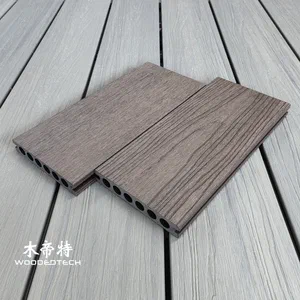 3DGD13823 Second Generation 3D Embossed Rosewood Composite Balcony Decking Delivers Ultra Realistic Wood Grain Texture and a Premium Natural Wood Experience
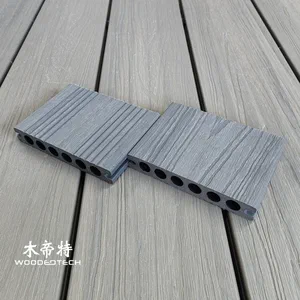 GD13823-3 Light Grey Premium Co Extrusion WPC Composite Decking Offers LG Texture and Excellent UV Resistance for Outdoor Spaces
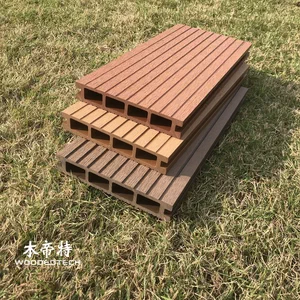 D14025-3 Square Hole Double Sided Grooved WPC Board Factory Producing Outdoor Decking Boards With Good Slip Resistance