WPC Flooring Prices for Outdoor Decking Projects Residential Gardens and Commercial Applications
Wood plastic composite (WPC) products are increasingly popular for outdoor applications, providing a durable alternative to traditional wood. The performance of these materials hinges on the quality of their components, namely wood powder, HDPE/PVC polymers, additives, pigments, and modifiers. Understanding how these elements affect durability, weather resistance, and overall performance is crucial for manufacturers and consumers alike.
Key Components and Their Impact
Wood powder serves as the primary filler in WPCs, contributing to the material’s strength and aesthetic appeal. However, the source and quality of wood powder are essential. High-quality wood powder, derived from hardwoods, offers better mechanical properties and resistance to wear. This ensures that the final product maintains its integrity and appearance over time.
HDPE and PVC polymers are the backbone of WPC formulations. HDPE is favored for its excellent tensile strength and environmental resistance, while PVC provides added rigidity and impact resistance. The combination of these polymers enhances the weather resistance of the composite, making it suitable for outdoor applications exposed to varying climatic conditions.

Additives play a significant role in optimizing the properties of WPC products. These can include UV stabilizers, which protect against sunlight degradation, and anti-fungal agents that prevent mold growth. The careful selection of additives can significantly extend the lifespan of outdoor WPC products, ensuring they withstand the elements without compromising performance.
Pigments are crucial for achieving the desired aesthetic appeal. They not only provide color but also contribute to UV stability. High-quality pigments ensure that the color remains vibrant over time, enhancing the visual appeal of outdoor decking and other applications.
Modifiers, such as coupling agents, improve the bonding between wood and polymer components, which is vital for strength and durability. Using the right modifiers can lead to better mechanical properties and resistance to environmental stressors.
Quality Control and Inspection Methods
To ensure that WPC products meet industry standards, factories must implement rigorous quality control measures. This includes:
Raw Material Inspection: Verifying the quality of wood powder, polymers, and additives before production starts. This may involve moisture content testing and particle size analysis for wood powder.
In-Process Monitoring: Regular checks during the extrusion process to monitor temperature and pressure parameters, ensuring consistent material properties.
Final Product Testing: Conducting mechanical tests, such as tensile strength and bending tests, to verify that the finished WPC products meet specified standards for durability and performance.
Environmental Resistance Testing: Subjecting samples to accelerated weathering tests to evaluate UV resistance, moisture absorption, and overall durability in outdoor conditions.
Maintaining compliance with international standards, such as ASTM and ISO, is essential for manufacturers aiming to market their products globally. Adhering to these standards not only assures quality but also builds trust with customers.
FAQ
Q: What is the main advantage of using WPC for outdoor applications?
A: WPC offers enhanced durability and weather resistance compared to traditional wood, making it suitable for outdoor environments.
Q: How do additives improve the performance of WPC products?
A: Additives such as UV stabilizers and anti-fungal agents enhance the longevity and resistance of WPC products against environmental factors.
Q: What testing methods are used to ensure WPC quality?
A: Quality control includes raw material inspection, in-process monitoring, and final product testing for mechanical and environmental resistance.
Related Articles


Related Products
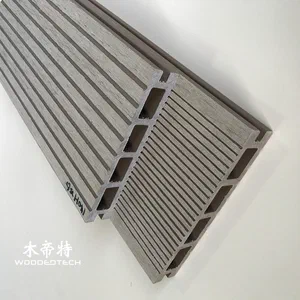 D14025-3 Composite Lumber for Decks Features a Classic Double Sided Groove Design with Excellent Value for Outdoor Projects
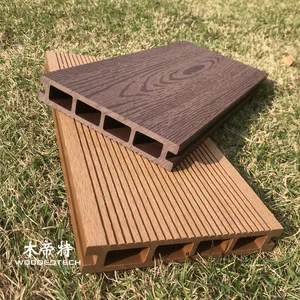 D14025-4 Composite for Decking Provides Stable Performance and Reliable Quality as a Popular Choice for Outdoor Projects
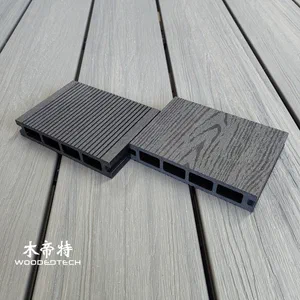 D14025-4 WPC Decking Boards Feature a Flat Wood Grain Surface with Black Ebony Heartwood Ring Grain for Outdoor Applications