
WPC Flooring Detail Shows Advanced Structure And Quality Design For Outdoor Applications

Wood Plastic Composite (WPC) flooring combines the natural aesthetics of wood with the durability of synthetic materials, making it an ideal choice for outdoor applications. The quality of WPC products is heavily influenced by the raw materials used, including wood powder, HDPE or PVC polymers, additives, pigments, and modifiers. Understanding how these components work together can help manufacturers ensure product durability, weather resistance, and overall performance.
Key Components and Their Impact
Wood powder serves as the primary filler in WPC, providing the appearance and texture of natural wood. The quality and source of wood powder can significantly affect the strength and rigidity of the final product. High-quality wood powder enhances the mechanical properties, ensuring that the decking can withstand heavy foot traffic and resist warping or cracking over time.
HDPE and PVC polymers provide the plastic matrix that binds the wood powder. These polymers are crucial for enhancing the weather resistance of WPC products. HDPE tends to offer better UV stability and moisture resistance, while PVC can provide additional impact resistance. Selecting the right polymer based on the intended application can lead to improved performance under varying environmental conditions.
Additives, such as stabilizers and lubricants, play a vital role in the manufacturing process. Stabilizers help to prevent degradation due to UV exposure and thermal fluctuations, while lubricants enhance the processing of materials during extrusion. The correct formulation of additives can lead to a more homogeneous mixture, resulting in a consistent product with fewer defects.
Pigments are essential for achieving the desired aesthetic appeal of WPC products. They can also provide additional UV protection. However, it is crucial to use high-quality pigments to ensure color retention and prevent fading over time. Poor-quality pigments can lead to color inconsistencies and a shorter lifespan for the product.
Modifiers, such as flame retardants and anti-fungal agents, can enhance the safety and longevity of WPC products. Flame retardants reduce the risk of fire, while anti-fungal agents prevent mold and mildew growth, making WPC suitable for humid environments.
Quality Control and Inspection Methods
To ensure that each batch of WPC flooring meets industry standards, rigorous quality control processes should be implemented throughout production. Here are some practical factory inspection methods:
Raw Material Testing: Inspect incoming wood powder and polymers for consistency in particle size and moisture content. Conduct tests to verify that additives and pigments meet specified standards.
Mechanical Property Testing: Perform tensile strength and flexural tests on produced samples to ensure they meet required specifications for durability and performance.
Weather Resistance Testing: Subject samples to accelerated weathering tests to evaluate their resistance to UV exposure, moisture absorption, and temperature fluctuations.

- Visual Inspection: Regularly check finished products for surface defects, such as discoloration, warping, or inconsistencies in texture.
By adhering to these quality standards and thorough inspection methods, manufacturers can produce high-quality WPC flooring suitable for a variety of outdoor applications.
FAQ
Q: What is WPC flooring made of?
A: WPC flooring is composed of wood powder, HDPE or PVC polymers, additives, pigments, and modifiers, creating a durable and aesthetically pleasing product.
Q: How does weather resistance affect WPC products?
A: Weather resistance is crucial for WPC products as it ensures they can withstand UV exposure, moisture, and temperature changes without deteriorating.
Q: What quality standards should WPC flooring meet?
A: WPC flooring should meet mechanical property standards, weather resistance criteria, and visual appearance guidelines to ensure durability and performance.
Related Articles
 WPC Decking Weight Information Helps Customers Choose Suitable Outdoor Flooring Materials
 WPC Wooden Decking Combines Natural Wood Appearance With Modern Composite Material Advantages
 HDPE Composite Lumber Offers Strong and Durable Material Solutions for Outdoor Construction Projects
 WPC Flooring HS Code Information Helps Global Buyers Understand Export Classification
Related Products
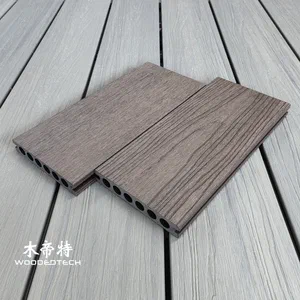 3DGD13823 Second Generation 3D Embossed Rosewood Composite Balcony Decking Delivers Ultra Realistic Wood Grain Texture and a Premium Natural Wood Experience
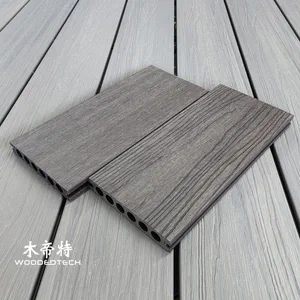 3DGD13823 Second Generation 3D Embossed Walnut WPC Decking Combines Ultra Realistic Wood Grain Texture with the Natural Beauty of Walnut for Outdoor Spaces
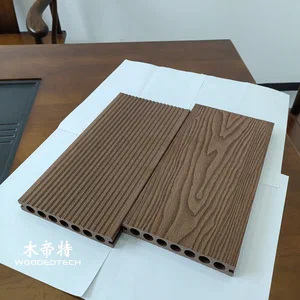 3D15023 First Generation 3D Embossed Composite Deck Boards With Stable Quality And High Performance For Premium Outdoor Projects