
WPC Flooring Cost Depends on Material Quality Design and Project Requirements
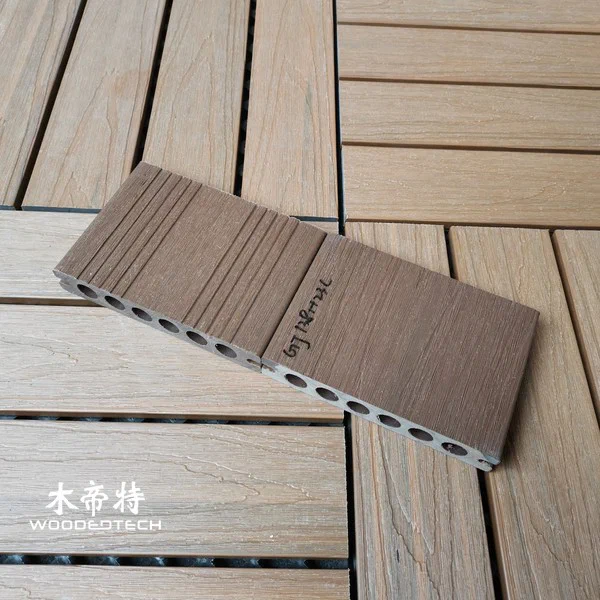
WPC flooring cost depends on material quality, design, and project requirements, so buyers should evaluate more than just the unit price. For B2B foreign trade projects, the right product balances appearance, durability, and installation efficiency while meeting the budget and performance targets of each market.
What Drives the Cost
Material quality is the biggest factor behind price differences. Higher-density cores, better UV resistance, and improved wear layers usually cost more, but they also support longer service life and more stable performance in commercial and outdoor environments. Design choices such as embossed surfaces, wood-grain effects, and custom colors can also affect tooling and production costs.
Project requirements matter just as much. Large-volume orders, special dimensions, fire performance needs, anti-slip demand, or customized packaging may change the final quotation. Buyers comparing suppliers should look at the full value package, including raw material grade, surface treatment, and consistency across batches.
Key Features

WPC flooring is widely selected because it combines the look of wood with the practical benefits of composite material. It is moisture-resistant, easy to clean, and suitable for areas where traditional wood may warp or require heavy maintenance. Many projects also prefer it for its stable structure and efficient installation.
Typical advantages include:
- Strong resistance to water, decay, and insects
- Low maintenance compared with natural wood
- Natural wood-like appearance with multiple finish options
- Good dimensional stability for indoor and outdoor use
- Suitable for commercial and residential projects
Main Specifications
Common specifications vary by supplier and application, but buyers often review:
- Material: wood plastic composite
- Surface: smooth, brushed, or embossed finish
- Structure: solid or hollow profile
- Thickness: customized by project
- Length and width: available in standard or OEM sizes
- Color: wood tones, grey, coffee, teak, or custom colors
- Installation: click-lock, interlocking, or fixed system
These options make it easier to match flooring with different project standards, from retail and hospitality spaces to terraces and public walkways.
Typical Applications
WPC flooring is used in homes, hotels, resorts, offices, balconies, garden paths, poolside areas, and light commercial spaces. It also works well for export projects that need a modern wood-look surface with reliable weather resistance and manageable maintenance costs. For buyers sourcing in bulk, it offers a practical combination of performance, appearance, and stable supply.
FAQ
Q: Why does WPC flooring price vary so much? A: The price changes based on material grade, surface design, dimensions, and order requirements. Custom specifications and higher performance standards usually increase the cost.
Q: Is WPC flooring suitable for outdoor projects? A: Yes, many WPC flooring products are designed for outdoor use and offer moisture and weather resistance. Buyers should confirm the exact specification before ordering.
Q: What should B2B buyers check before placing an order? A: Confirm material composition, surface treatment, dimensions, packaging, and delivery terms. A sample test and project-based quotation help avoid mismatches.
Related Articles
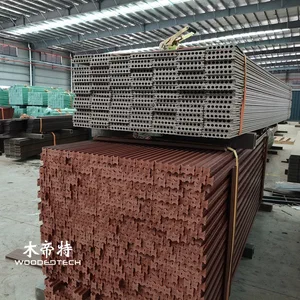
Related Products
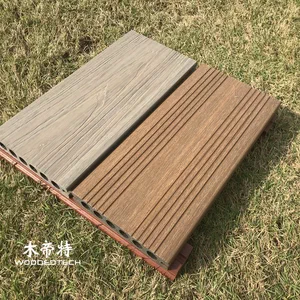 GD13823-3 Second Generation Co Extruded Wood Plastic Composites With High Quality Stable Performance For Premium Outdoor Applications
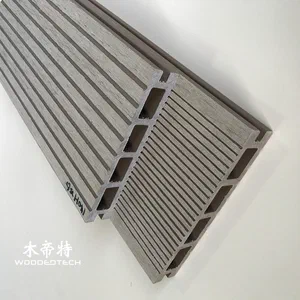 D14025-3 Composite Lumber for Decks Features a Classic Double Sided Groove Design with Excellent Value for Outdoor Projects
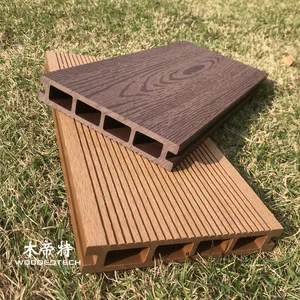 D14025-4 Composite for Decking Provides Stable Performance and Reliable Quality as a Popular Choice for Outdoor Projects