wpc flooring brands comparison helps buyers select reliable manufacturers and quality outdoor flooring products

Reliable WPC suppliers are not chosen by brand name alone. Overseas buyers need to compare manufacturing strength, product consistency, and export service before placing orders for outdoor flooring projects.
What Buyers Should Compare
WPC flooring brands may look similar on a website, but the real differences show up in raw material control, extrusion stability, surface treatment, and weather performance. A serious supplier should be able to explain its resin ratio, wood fiber source, additives, and production process without vague claims.
Buyers should also compare the company’s export experience. A factory that regularly supplies overseas markets is more likely to understand loading standards, label requirements, documentation, and destination-country expectations. That matters when projects are tied to deadlines and installation schedules.
How To Evaluate A Factory

A factory visit, video audit, or third-party inspection should focus on practical details rather than showroom presentation. Check whether the plant has stable production lines, clean storage, proper mixing equipment, and clear quality inspection steps. Ask how they test color consistency, slip resistance, water absorption, and dimensional tolerance.
It is also important to review the supplier’s capacity for OEM and custom orders. Buyers often need specific board sizes, colors, embossing patterns, or packaging. A dependable manufacturer should confirm whether those changes are supported by real production capability, not just sample-level promises.
Specifications That Must Be Confirmed
Before any deposit, confirm the exact product specification in writing. For outdoor flooring, that normally includes:
- board size and thickness
- surface type, such as co-extruded, embossed, or grooved
- density and weight per meter
- color range and fade resistance
- installation method and matching accessories
- packing standard and loading quantity
Do not rely only on product photos or a short quotation. For long-term purchasing, request samples from the same production line that will handle the order. That reduces the risk of approving a sample that does not match mass production.
Common Purchasing Risks
One frequent risk is price-driven sourcing with no technical comparison. Low pricing can hide weak formulas, poor UV resistance, unstable dimensions, or inconsistent color lots. Another risk is unclear claims about “brand quality” without factory proof. A buyer should always verify who actually manufactures the product and what quality system is in place.
Payment terms also deserve attention. For new suppliers, use controlled order terms, defined inspection points, and clear claims clauses. For large projects, it is better to confirm shipment samples, packing photos, and container details before release of final payment.
FAQ
Q: What is the first thing buyers should check in a WPC supplier? A: Start with factory capability and product consistency. A supplier should show stable production, clear specifications, and export experience.
Q: Why are samples not enough when comparing WPC flooring brands? A: Samples can look good while mass production varies. Buyers need to confirm the same formula, color lot, and finish will be used for the full order.
Q: How can buyers reduce risk when importing outdoor WPC flooring? A: Use written specifications, factory verification, and third-party inspection before shipment. This helps prevent quality disputes and delivery problems.
Related Articles
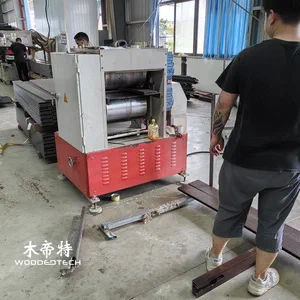
Related Products
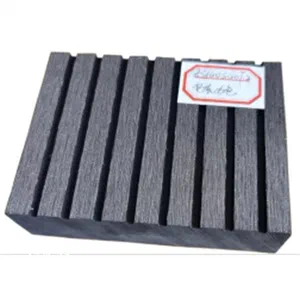 D14040-3S 40mm Thick Square Solid Plastic Wood Composite Flooring Without Side Grooves
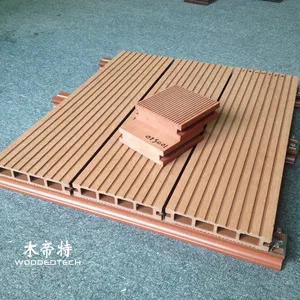 D10030S outdoor floor narrow board design offers an elegant appearance with solid structure and excellent load bearing performance
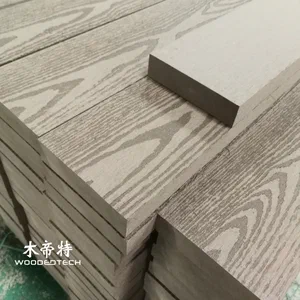 D10025-2S Solid Outdoor Flooring with Four Flat Sides Is Ideal for Custom Stair and Step Cutting Projects