
WPC flooring board offers stable performance and natural appearance for various outdoor applications
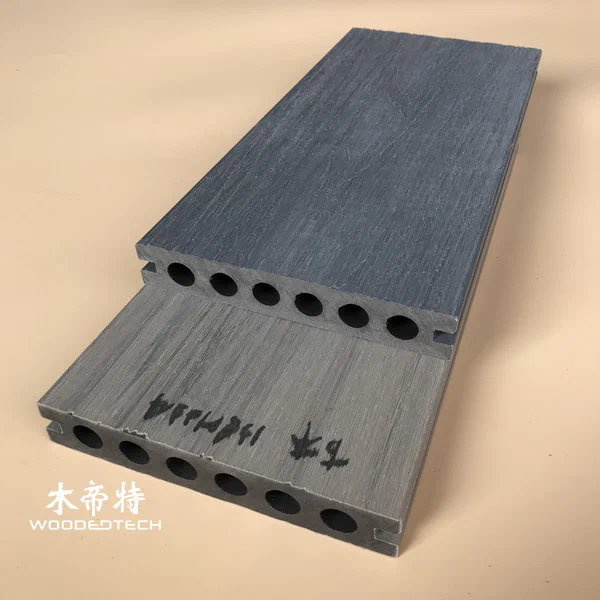
WPC flooring board combines stable outdoor performance with a natural wood-like appearance, making it a practical choice for decking, wall panels, fences, pergolas, gazebos, and landscape features. In modern exterior design, it helps create spaces that feel warm, coordinated, and easy to maintain.
Design direction for modern outdoor spaces
Today’s outdoor projects are moving away from plain, heavy looks and toward cleaner lines, softer textures, and better material harmony. WPC products support that shift because the same visual language can be carried across floors, walls, screens, and shade structures.
Color is one of the strongest design tools. Popular tones such as teak, charcoal, walnut, and light grey help define different moods, from resort-style calm to sharp urban minimalism. When flooring board colors match wall cladding, fence panels, or pergola frames, the whole space feels more intentional and premium.
Texture matters just as much. Embossed grain, brushed finishes, and subtle 3D surfaces add depth without looking artificial. They also help outdoor areas feel less rigid, especially when paired with matte finishes that reduce glare and highlight natural-style detailing.
Profiles that improve function and appearance
Modern WPC design is not only about color. Profile choices influence drainage, ventilation, structure, and visual rhythm. Grooved boards, solid boards, fluted wall panels, slatted fences, and clean-edge planks each solve different project needs while keeping a consistent aesthetic.

Modular systems are especially valuable for outdoor applications. They make installation faster, simplify replacement, and allow designers to scale a concept across multiple product categories. A decking board profile can echo the lines of a wall panel or pergola beam, helping the site feel unified instead of pieced together.
For landscape use, modular WPC products support cleaner transitions between walkways, planter zones, seating areas, and privacy features. This is useful in residential gardens, commercial courtyards, and hospitality spaces where durability and visual order both matter.
Why WPC works across multiple applications
WPC flooring board is valued for its stable performance in changing outdoor conditions. It resists moisture better than many natural materials and keeps a consistent look under sun exposure when properly formulated for exterior use. That makes it suitable for poolside zones, terraces, balconies, pergolas, gazebos, and decorative wall systems.
Its natural appearance also helps designers avoid the cold feel that some synthetic materials create. Instead of forcing every product to look identical, WPC allows variation through profile, embossing, and color matching. The result is a more layered outdoor environment that still feels coherent.
For buyers, this means one material family can cover many needs:
- decking and flooring
- wall panels and cladding
- fencing and privacy screens
- pergola and gazebo surfaces
- landscape edging and decorative elements
Designing outdoor spaces with a unified look
The strongest modern outdoor projects use repetition with restraint. A flooring board finish can be repeated on fencing or ceiling louvers, while a darker accent color can frame seating areas or shade structures. This approach creates visual balance without overcomplicating the design.
As outdoor living spaces become more integrated with architecture, WPC products continue to grow in demand because they combine stable performance, flexible styling, and natural appearance in one system.
FAQ
Q: Why is WPC flooring board popular for outdoor projects? A: It offers stable performance, low maintenance, and a wood-like look that suits many exterior applications. It also works well in coordinated designs across multiple outdoor products.
Q: How do colors and textures affect WPC outdoor design? A: Colors set the mood, while textures add depth and realism. Together, they make decking, walls, and fences feel more natural and visually connected.
Q: Can one WPC style be used across decking, fencing, and pergolas? A: Yes. Using matching profiles and finishes across different products creates a unified outdoor space. Modular WPC systems make this easier to plan and install.
Related Articles
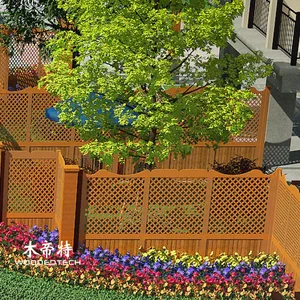 fiberon composite deck boards are widely recognized for outdoor decking applications
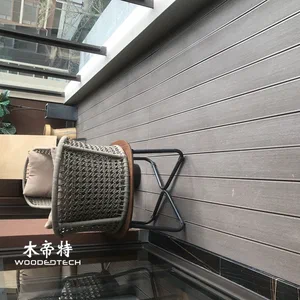 outdoor 3d wall panels create attractive textured walls with modern architectural appearance
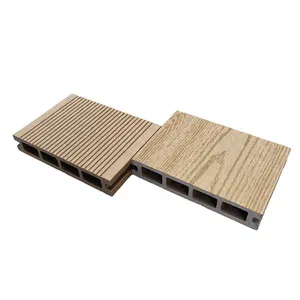 Outdoor WPC Decking for Beautiful Durable and Low Maintenance Outdoor Living
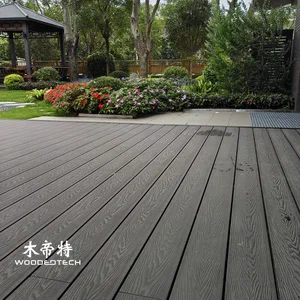 WPC Decking Materials for Strong Low Maintenance Outdoor Decking Solutions
Related Products
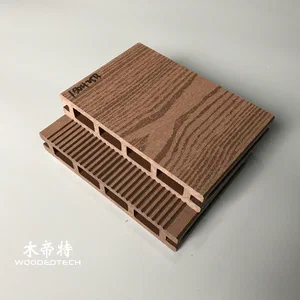 D15025-2 Classic Waterproof Insect Resistant Corrosion Resistant And Termite Resistant Composite Decking Types With Twenty Years Of Sales Experience
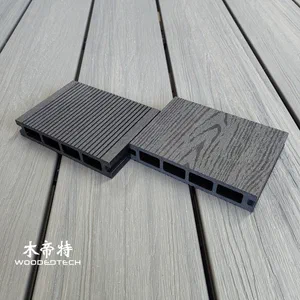 D14025-4 WPC Decking Boards Feature a Flat Wood Grain Surface with Black Ebony Heartwood Ring Grain for Outdoor Applications
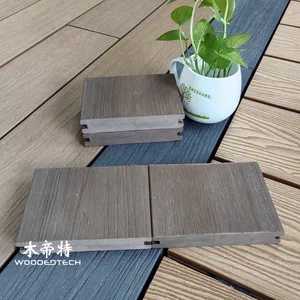 GD14025S Capped WPC Provides a Solid Board Structure for Better Load Bearing Performance and Reduced Space for Insects Inside the Board