
WPC Fence vs Wood Fence: A Comprehensive Guide for B2B Buyers
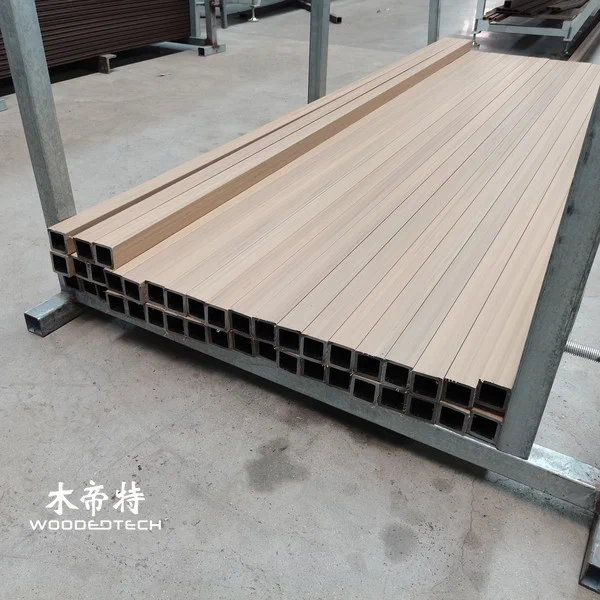
Outdoor fencing is a long-term investment that affects a property’s appearance, privacy, security, and maintenance budget. For B2B buyers comparing WPC fence vs wood fence, the key differences lie in weather resistance, durability, installation requirements, and lifecycle costs. Wood plastic composite (WPC) offers a low-maintenance alternative to natural timber, while aluminum and other exterior materials provide different advantages depending on the project environment and budget.
Understanding WPC and Traditional Wood Fencing

WPC fencing is manufactured by combining wood fibers or wood flour with thermoplastics and performance additives. The resulting material provides a wood-like appearance with improved resistance to moisture, rot, and biological deterioration. Available in different colors, textures, and profiles, WPC fence panels are commonly used in residential developments, commercial properties, garden boundaries, and outdoor privacy screens.
Traditional wood fencing is made from natural timber, including pine, cedar, spruce, and hardwood species. Its natural grain, texture, and ability to be customized make it a popular choice for architectural and landscaping projects. However, timber is vulnerable to environmental exposure. Rain, humidity, UV radiation, insects, and temperature fluctuations can gradually affect its structural integrity and appearance.
The main distinction is maintenance. Natural wood generally requires regular sealing, staining, or painting to maintain its condition. WPC typically needs only periodic cleaning, making it attractive for property developers, contractors, and facility managers responsible for multiple outdoor installations.
WPC Fence vs Wood Fence: Advantages and Disadvantages
Both materials have practical applications, but their performance differs over time.
WPC fencing offers several advantages:
- Moisture resistance: WPC does not absorb water in the same way as untreated timber, reducing the risk of rot and decay.
- Lower maintenance: It does not normally require routine painting, staining, or wood preservatives.
- Consistent appearance: Factory-produced profiles provide more uniform dimensions, colors, and surface finishes.
- Reduced insect damage: Its plastic content makes it less attractive to termites and other wood-boring insects.
- Design flexibility: Manufacturers can offer different colors, embossed wood-grain textures, panel dimensions, and installation systems.
However, WPC is not completely maintenance-free. Lower-quality products may fade, become brittle, or experience surface damage after prolonged exposure to sunlight and temperature changes. Thermal expansion also needs consideration during installation. Buyers should check the manufacturer’s specifications for UV resistance, material composition, recommended spacing, and warranty coverage.
Natural wood offers a different set of benefits:
- Authentic appearance: Real timber provides natural grain patterns and variations that synthetic materials cannot perfectly reproduce.
- Easy customization: Wood can be cut, drilled, painted, and repaired using conventional carpentry methods.
- Initial cost flexibility: Some softwood fencing options have relatively low purchase prices.
- Structural versatility: Different timber species can meet specific requirements for decorative or load-bearing applications.
Its disadvantages include susceptibility to moisture, fungal decay, insect attack, splitting, and warping. Regular maintenance adds labor and material expenses, particularly for large developments or properties exposed to harsh weather.
Comparing WPC with Aluminum and Other Exterior Materials
WPC and timber are not the only options available to commercial buyers. Aluminum, PVC, and steel fencing may also suit specific architectural requirements.
| Material | Main advantages | Main disadvantages |
|---|---|---|
| WPC | Wood-like appearance, low maintenance, moisture resistance | Thermal expansion, quality-dependent UV performance |
| Natural wood | Authentic texture, easy customization | Rot, insects, regular maintenance |
| Aluminum | Lightweight, corrosion-resistant, modern appearance | Higher initial cost in some specifications, limited wood-like texture |
| PVC | Low maintenance, moisture resistance, lightweight | Can look less natural and may become brittle |
| Steel | High strength, security, structural stability | Corrosion risk without suitable protection, heavier installation |
Aluminum fencing is particularly suitable for contemporary commercial buildings, public spaces, and projects requiring lightweight structures. Powder-coated finishes offer a range of colors, while aluminum components can provide excellent corrosion resistance when properly specified. However, aluminum generally creates a more industrial appearance than timber or wood-grain WPC.
PVC fencing is another low-maintenance option. It resists moisture and does not require painting, but its appearance and mechanical performance depend heavily on formulation and profile design. In areas with strong sunlight or significant temperature fluctuations, UV stabilization and impact resistance deserve particular attention.
Steel fencing is often selected for industrial facilities, warehouses, and security-sensitive environments. Its strength is a major advantage, although protective coatings and periodic inspections are necessary to manage corrosion risks.
For projects that need the appearance of wood without the maintenance demands of natural timber, WPC provides a practical middle ground between traditional wooden fencing and modern synthetic materials.
Maintenance Requirements and Expected Service Life
Maintenance requirements directly influence the operational cost of outdoor fencing. Natural timber usually needs periodic inspection, cleaning, sealing, and repainting or staining. The frequency depends on the timber species, protective treatment, climate, and exposure conditions. Damaged boards may also need individual replacement.
WPC fencing requires less intensive maintenance. Routine cleaning with water and a mild detergent is generally sufficient to remove dust, dirt, and surface stains. Buyers should still inspect fasteners, support posts, connections, and drainage conditions regularly. Using abrasive cleaning tools or unsuitable chemicals may damage the surface.
Aluminum fencing typically requires occasional washing and inspection of its coating, joints, and fasteners. PVC also needs periodic cleaning and inspection for cracking or impact damage. Steel requires additional attention to coating integrity, especially around cut edges, joints, and areas exposed to moisture.
Expected service life should never be evaluated using material type alone. Product formulation, installation quality, environmental conditions, and maintenance practices all influence actual performance. B2B buyers should request documented test results, warranty conditions, and installation guidelines rather than relying solely on general lifespan claims.
Lifecycle Costs: Looking Beyond the Initial Purchase Price
For distributors, contractors, and property developers, the lowest purchase price does not necessarily represent the best investment. A meaningful cost comparison should include material procurement, transportation, installation, maintenance, repairs, and eventual replacement.
Natural wood can have a relatively low initial material cost, especially when using standard softwood profiles. However, recurring expenses for coatings, replacement boards, and maintenance labor can increase its total ownership cost.
WPC may require a higher initial investment than basic timber fencing, depending on the product specification and local market. However, reduced maintenance requirements can help offset the initial difference over the service life of the installation.
Aluminum often involves higher upfront material costs, particularly for customized systems or architectural finishes. Its relatively low maintenance requirements can make it economically attractive for projects where durability and appearance consistency are priorities.
A practical lifecycle cost assessment should consider:
- Initial material price per linear meter or square meter.
- Posts, rails, brackets, fasteners, and other accessories.
- Labor costs and installation complexity.
- Annual cleaning, inspection, and maintenance expenses.
- Expected repair frequency and replacement costs.
- Warranty coverage and projected service life.
For large-scale developments, buyers should calculate the total cost over a defined evaluation period, such as 10, 15, or 20 years. Local labor rates, climate conditions, and project specifications should be included to avoid misleading comparisons.
Choosing the Right Fencing Material for B2B Projects
The best material depends on the project’s functional requirements, architectural style, environmental exposure, and budget. Natural timber remains suitable for premium landscaping, traditional architecture, and projects where authentic natural materials are essential. Aluminum is a strong option for contemporary commercial environments, while steel is appropriate when security and structural strength take priority.
WPC fencing is particularly suitable for residential communities, hotels, resorts, gardens, commercial landscapes, and property developments where consistent appearance and reduced maintenance are important. Its wood-like finish helps create a natural outdoor aesthetic without the same routine treatment requirements associated with conventional timber.
When sourcing WPC fence panels wholesale, buyers should evaluate material composition, recycled content, density, profile structure, UV stabilization, color consistency, and mechanical performance. Installation compatibility is equally important. Aluminum posts, suitable support systems, expansion gaps, and corrosion-resistant fasteners can all contribute to a more reliable fencing installation.
For manufacturers, distributors, and construction companies managing multiple projects, working with an experienced WPC supplier can simplify product customization, bulk procurement, and quality control. Requesting samples and technical documentation before placing a large order helps verify whether the product meets the project’s performance and aesthetic requirements.
The right fencing decision should balance upfront investment with long-term performance. WPC is a competitive choice when buyers want a natural wood appearance, reduced maintenance, and consistent product specifications, while timber, aluminum, PVC, and steel remain valuable alternatives for projects with different priorities.
Related Articles

Related Products
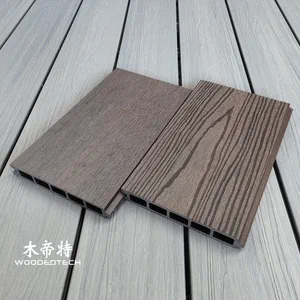 3DGL18024 Composite Fence Panels Feature Premium Co Extruded 3D Embossed Rosewood Grain Texture with Realistic Natural Wood Fibers
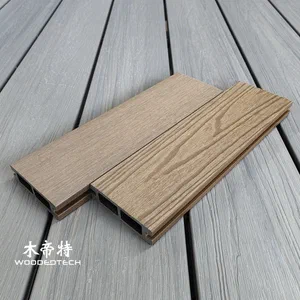 3DGL9024 Composite Fence Features Premium Co Extruded 3D Embossed Teak Wood Grain Texture with Realistic Natural Wood Fibers
 F7022 wpc panel design solid square bar can be used for fences and various outdoor decorative applications