
WPC Fence Panels for Sale: A B2B Guide to Quality, Pricing, and Supply
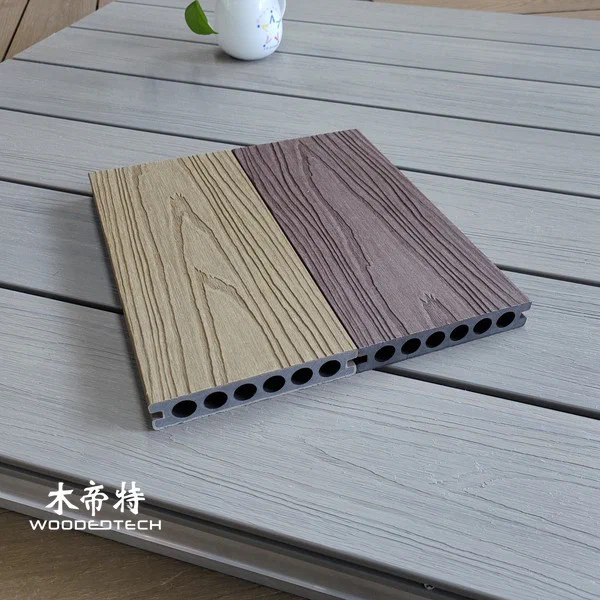
WPC fence panels are a practical option for importers, distributors, wholesalers, and outdoor building material contractors looking for durable, low-maintenance fencing products. Choosing the right supplier involves more than comparing quotations. Buyers should evaluate factory capabilities, raw material quality, product specifications, production consistency, and export experience before placing a bulk order.
Understand WPC Fence Panel Quality Before Comparing Prices
Wood plastic composite (WPC) fence panels are generally manufactured using a combination of wood fiber or wood flour, plastic polymers, and additives. Their performance depends on the quality of these materials, the formulation, and the extrusion process.
For overseas buyers, one of the first steps is to understand the differences between standard and premium WPC fencing. Lower-priced products may use inconsistent recycled materials, insufficient additives, or less controlled production processes. These factors can affect color consistency, dimensional stability, weather resistance, and long-term durability.

When evaluating a supplier, pay attention to:
- Raw material composition: Ask about the wood-plastic ratio and whether recycled materials are used.
- Density and structure: Check whether the panels are solid or hollow and whether their construction suits the intended application.
- Surface treatment: Compare brushed, embossed, and wood-grain finishes.
- UV resistance: Confirm whether UV stabilizers are included to reduce fading under prolonged sunlight.
- Moisture resistance: Evaluate the material’s ability to withstand rain, humidity, and changing outdoor conditions.
- Color consistency: Request samples from actual production batches rather than relying only on catalog photographs.
A reliable manufacturer should explain how its material formulation affects product performance instead of simply describing every product as high quality.
How to Evaluate a WPC Fence Factory
Selecting a dependable WPC factory is essential for buyers planning container orders, long-term distribution, or private-label projects. A trading company may offer competitive prices, but working directly with an established manufacturer can provide better control over production schedules, customization, and quality management.
Start by checking the factory’s actual manufacturing capabilities. A professional WPC factory should have extrusion production lines, raw material processing equipment, surface treatment facilities, and an organized quality inspection process.
During supplier evaluation, consider the following points:
- Production capacity: Confirm the number of extrusion lines and monthly output.
- Manufacturing experience: Ask how long the factory has produced outdoor WPC products.
- Product range: Check whether it manufactures fence panels, posts, rails, decking, and matching accessories.
- Customization capabilities: Determine whether it can produce different profiles, colors, dimensions, and surface finishes.
- Quality control: Ask about incoming material inspections, production monitoring, and finished-product testing.
- Export experience: Confirm familiarity with export packaging, shipping documents, and international customer requirements.
If possible, arrange a factory audit or request a live video inspection of the production workshop. Review actual production equipment, warehouse conditions, finished goods, and packaging procedures. Certifications and test reports are useful supporting documents, but they should not replace an assessment of manufacturing capabilities.
Confirm Product Specifications Before Requesting a Quotation
One common purchasing mistake is requesting a quotation for WPC fence panels without providing clear technical requirements. Different manufacturers may quote products with different dimensions, structures, formulations, and accessories, making direct price comparisons misleading.
Before requesting prices, prepare a detailed specification sheet covering the following information:
| Specification | Details to Confirm |
|---|---|
| Panel dimensions | Length, width, and thickness |
| Panel structure | Solid, hollow, or reinforced |
| Material composition | Wood fiber, polymer, and additives |
| Surface finish | Embossed, brushed, or smooth |
| Available colors | Standard or customized colors |
| Fence height | Required finished installation height |
| Accessories | Posts, rails, brackets, and fasteners |
| Packaging | Bundles, cartons, or pallet packaging |
Also clarify whether the quotation covers individual panels or a complete fencing system. Posts, connecting rails, aluminum components, and installation accessories can significantly affect the total project cost.
For customized orders, request production samples and approve the final color, dimensions, surface texture, and connection design before mass production. Written specifications should be included in the purchase contract to reduce misunderstandings between the buyer and supplier.
Understand WPC Fence Panel Pricing and Bulk Order Costs
WPC fence panel prices vary according to material formulation, panel dimensions, structural design, surface treatment, order quantity, and manufacturing costs. A low quotation does not necessarily represent the best purchasing opportunity.
When comparing wholesale composite fence panels, buyers should request itemized quotations from several qualified manufacturers. Make sure all suppliers are quoting products with equivalent specifications.
Important pricing factors include:
- Raw material costs: Polymer type, wood fiber quality, and additive content.
- Product weight: Heavier profiles may require more material, although weight alone does not guarantee better performance.
- Manufacturing process: Complex profiles and special surface treatments may increase production costs.
- Order quantity: Larger orders may qualify for better unit prices.
- Customization: Special colors, molds, and non-standard dimensions may involve additional charges.
- Packaging and logistics: Pallet requirements, container loading efficiency, and destination port charges affect landed costs.
Buyers should also compare MOQ requirements, sample charges, mold fees, payment terms, and production lead times. For international purchases, evaluate the total landed cost rather than focusing exclusively on the factory’s EXW or FOB price.
Avoid Common Risks When Purchasing WPC Fence Panels from China
International buyers may encounter several risks when sourcing WPC fencing, particularly when placing orders with unfamiliar manufacturers.
The first risk is inconsistent product quality. A sample may look attractive, while mass-produced panels differ in color, dimensions, or surface finish. To prevent this, establish approved samples, measurable acceptance criteria, and a pre-shipment inspection process.
The second risk is unclear product performance. Avoid relying on unsupported claims such as completely waterproof, maintenance-free, or fade-proof. Request relevant test reports covering water absorption, flexural properties, UV exposure, and other performance requirements applicable to your market.
The third risk involves shipping and packaging. Long WPC fence panels can be vulnerable to bending, scratching, and damage during transportation. Confirm bundle protection, loading methods, container capacity, and packaging specifications before production begins.
Finally, pay attention to contractual details. Your purchase agreement should clearly state product specifications, quantities, prices, payment milestones, delivery schedules, inspection requirements, and procedures for handling defective products. For large orders, consider appointing an independent inspection company before shipment.
Build a Long-Term Partnership with the Right WPC Manufacturer
For importers and distributors, choosing a WPC fence supplier should be a long-term sourcing decision rather than a one-time price comparison. A capable manufacturer should provide stable product quality, transparent communication, reasonable production schedules, and technical support throughout the purchasing process.
Before committing to a large order, start with samples or a trial shipment. Evaluate the products under your local outdoor conditions, collect feedback from installers, and assess the supplier’s response to technical questions and after-sales issues.
A dependable Chinese WPC manufacturer can also support OEM production, customized fence profiles, private-label packaging, and coordinated outdoor product sourcing. These capabilities help distributors expand their product range while maintaining consistent specifications across different orders.
The strongest supplier relationship is built on clear technical requirements, verified factory capabilities, realistic pricing, and reliable delivery. Buyers who establish these standards early are better positioned to control purchasing risks and develop a competitive WPC fencing business in their local markets.
Related Articles
 wpc fence price Guide 2026: Cost Analysis for Industrial Buyers
 WPC Garden Fence Panels: A Durable Solution for Commercial Landscaping Projects
 WPC Wall Panel Fence: Industrial Applications, Benefits, and Selection Criteria
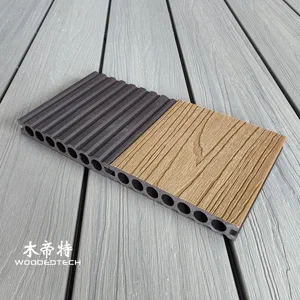 WPC Outdoor Gate Design: Durable Solutions for Modern Commercial Applications
Related Products
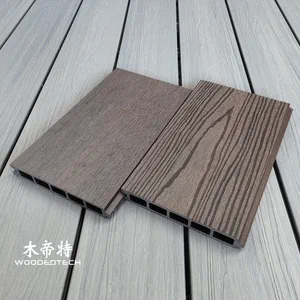 3DGL18024 Composite Fence Panels Feature Premium Co Extruded 3D Embossed Rosewood Grain Texture with Realistic Natural Wood Fibers
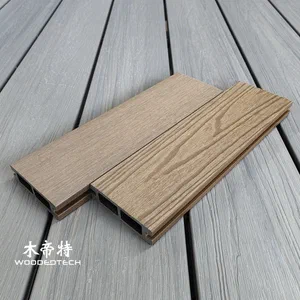 3DGL9024 Composite Fence Features Premium Co Extruded 3D Embossed Teak Wood Grain Texture with Realistic Natural Wood Fibers
 wpc fence boards work with aluminum post systems to make outdoor fence installation easier and more efficient