WPC Fence Gate for Durable Outdoor Entrances Privacy Protection and Landscape Design
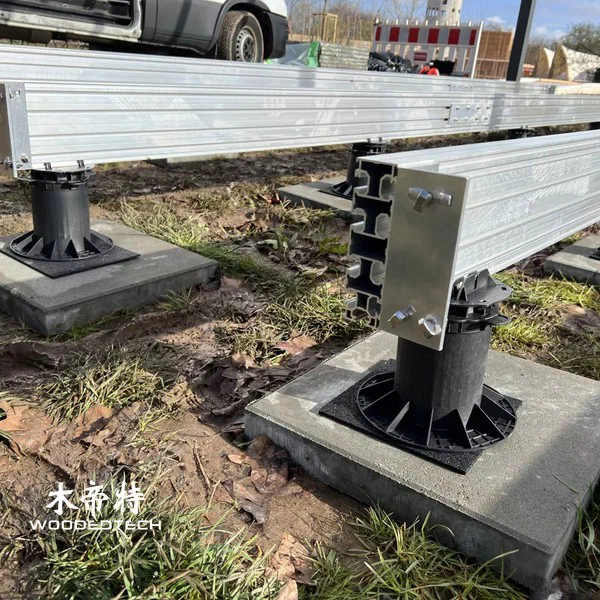
Architects and landscape designers increasingly rely on Wood Plastic Composite (WPC) products, such as WPC fence gates, to create durable and low-maintenance outdoor environments. These materials combine the aesthetic appeal of wood with the resilience of plastic, providing an ideal solution for enhancing outdoor spaces while minimizing upkeep.
Benefits of WPC Materials
WPC products offer several advantages that make them an attractive choice for outdoor applications. They are highly resistant to moisture, rot, and insect damage, which ensures longevity in various weather conditions. This durability translates to lower maintenance needs over time, allowing architects and landscape designers to create environments that require minimal upkeep.
Additionally, WPC materials are available in a wide range of colors and textures, enabling designers to achieve the desired aesthetic without sacrificing functionality. For instance, a WPC fence gate can provide both privacy and visual appeal, enhancing the entrance to a property while serving practical purposes.
Project Considerations
When incorporating WPC products into landscape designs, several project considerations should be taken into account. First, the location and climate of the site can influence material selection; areas with high humidity or heavy rainfall may benefit from the moisture-resistant properties of WPC.
Second, the intended use of the space should guide the choice of materials. For example, if the design includes high-traffic areas, selecting a WPC product with enhanced slip resistance can improve safety while maintaining aesthetic value.
Finally, budget constraints and project timelines can impact decisions. While WPC materials may have a higher initial cost than traditional wood, their longevity and low maintenance requirements often result in lower overall lifetime costs.
Material Selection Advice

When selecting WPC products for a project, it’s essential to consider the quality and manufacturing process. Look for materials that are fully capped, as these provide additional protection against moisture and fading. Additionally, choosing products with a high percentage of wood fibers can enhance the natural look and feel of the installation.
Designers should also be aware of the environmental impact of WPC materials. Opting for products made from recycled materials can contribute to sustainability goals while still delivering on performance and aesthetics.
Lastly, consulting with manufacturers about customization options can yield unique solutions tailored to specific project needs, ensuring that the end result aligns perfectly with the overall landscape design.
FAQ
Q: What are the main advantages of using WPC materials for outdoor environments?
A: WPC materials are durable, low-maintenance, and resistant to moisture, rot, and insects, making them ideal for outdoor applications.
Q: How does climate affect the selection of WPC products?
A: In humid or rainy climates, moisture-resistant WPC materials are preferable to ensure longevity and performance.
Q: Can WPC materials be customized for specific design needs?
A: Yes, many manufacturers offer customization options for WPC products, allowing for tailored solutions that fit unique project requirements.
Related Articles
 Garden Decking Composite Board Creates Beautiful And Durable Outdoor Living Areas
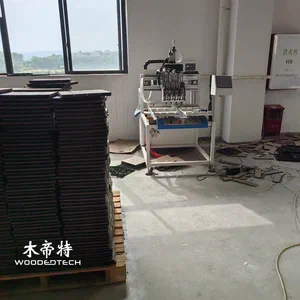 WPC Fence Factory for Direct Supply of Outdoor WPC Fencing Products and Custom Solutions
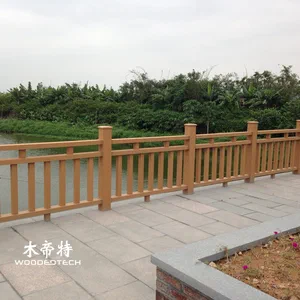 WPC Fence Wholesale for Outdoor Landscaping Projects Residential Properties and Commercial Developments
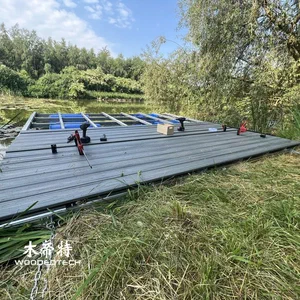 WPC Plywood for Outdoor Building Panels Furniture Components and Custom Architectural Applications
Related Products
 3D14025S Solid Design 140mm Width 25mm Thickness S3 Pattern Decking WPC Delivers Elegant And Beautiful Outdoor Flooring
 D14025-3 Double Sided Grooved Walnut Color Composite Wood Decking Offers Low Maintenance Outdoor Flooring Solution
 D14724 Double Sided Grooved Plastic Wood Look Decking Provides Reliable Outdoor Flooring Performance