
WPC Fassadenverkleidung Duvar: Industrial Applications and Performance Benefits
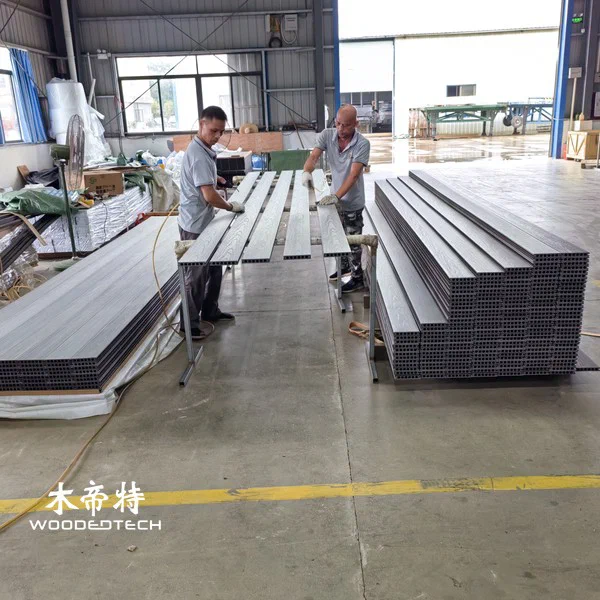
WPC facade cladding is a versatile exterior building material designed for residential, commercial, and industrial applications. Made from a combination of wood fibers and thermoplastic polymers, it offers a wood-like appearance with improved resistance to moisture, weather exposure, and everyday wear. For architects, contractors, and property developers, WPC facade systems provide a practical way to improve exterior aesthetics while reducing long-term maintenance requirements.
Residential Gardens and Outdoor Living Spaces

In residential projects, WPC facade cladding can be used on garden walls, outdoor kitchens, boundary structures, garden sheds, and decorative exterior features. Its natural wood-grain appearance creates a warm connection between buildings and surrounding greenery without requiring the regular staining or painting associated with traditional timber.
For garden applications, horizontal or vertical WPC wall panels can create attractive feature walls, conceal utility areas, or provide privacy around outdoor seating spaces. Homeowners can combine WPC cladding with composite decking, pergolas, and decorative screens to create a coordinated outdoor design.
For balconies and terraces, lightweight WPC wall panels are suitable for decorative wall finishes and selected sheltered exterior surfaces. Installers should check the product’s load requirements, ventilation needs, and fixing system before installation. Where balconies experience frequent rain or direct sunlight, UV-resistant and weather-resistant grades are preferable.
Commercial Landscapes and Industrial Buildings
Commercial properties require exterior materials that maintain a professional appearance under frequent use and changing weather conditions. WPC facade cladding is suitable for office buildings, retail developments, business parks, warehouses, industrial facilities, and commercial landscape structures.
For office buildings, WPC panels can highlight entrances, cover selected facade sections, and create attractive exterior feature walls. Combining different panel colors or installation directions helps architects achieve a contemporary appearance without relying entirely on expensive natural timber.
In industrial environments, WPC cladding can be applied to non-structural exterior walls, equipment enclosures, service buildings, and decorative screening structures. It is particularly useful where a consistent architectural finish is required across large areas. However, it should not automatically replace structural wall materials or certified fire-rated facade systems.
For large commercial projects, specifying the correct panel profile is essential. Solid and hollow profiles offer different weight, stiffness, and installation characteristics. The selection should consider building height, wind pressure, fixing distances, substrate conditions, and local building regulations.
Hotels, Resorts, and Hospitality Facilities
Hotels and resorts frequently use exterior materials to create an attractive first impression while controlling maintenance costs. WPC facade cladding works well on reception buildings, restaurant exteriors, outdoor lounge areas, poolside structures, spa facilities, and resort villas.
Architects can use wood-effect WPC panels to create a natural atmosphere around hospitality spaces. Dark wood tones suit contemporary hotel entrances, while lighter finishes complement coastal resorts and garden-style accommodation.
Around swimming pool areas, WPC products can be used for suitable exterior wall finishes, privacy screens, outdoor changing facilities, and decorative structures. For surrounding floors, dedicated WPC decking products are a better choice than wall cladding panels. Poolside decking should have an appropriate slip-resistance rating, drainage design, and resistance to moisture and cleaning chemicals.
Hotels should also consider cleaning frequency and exposure conditions. In coastal resorts, salt-laden air and high humidity make corrosion-resistant fasteners and suitable aluminum substructures particularly important.
Parks, Public Facilities, and Recreational Areas
Public parks and recreational facilities need exterior materials that can withstand continuous environmental exposure and regular public use. WPC cladding can be incorporated into visitor centers, park shelters, public restrooms, outdoor information kiosks, landscape walls, and decorative screening structures.
For park buildings, WPC panels provide a consistent appearance that complements trees, pathways, gardens, and other landscape elements. They can also be coordinated with WPC benches, pergolas, fencing, and outdoor furniture.
In public facilities, designers should prioritize durability, accessibility, fire performance, and ease of maintenance. Panels installed in high-traffic locations should have suitable impact resistance and secure mechanical fixings. Public buildings may also require specific fire classifications, so project teams should verify independent test reports rather than relying on general material descriptions.
For exposed installations, adequate expansion gaps and drainage channels help accommodate temperature changes and prevent water accumulation behind the panels.
Swimming Pool Areas and Coastal Applications
Swimming pool environments expose building materials to moisture, sunlight, temperature fluctuations, and pool-treatment chemicals. WPC facade panels can provide decorative finishes for pool buildings, outdoor showers, changing rooms, equipment enclosures, and privacy walls.
For coastal properties, WPC cladding can be considered for exterior feature walls and selected sheltered structures. Its polymer content helps reduce moisture absorption compared with conventional untreated timber, although performance varies according to formulation and manufacturing quality.
Application engineers should distinguish between water-resistant and waterproof products. WPC cladding is not automatically a waterproof building envelope. Proper flashing, waterproof membranes, ventilation cavities, and drainage details remain necessary to protect the underlying structure.
Where panels are installed near pools or exposed to strong sunlight, UV stability, dimensional movement, surface temperature, and cleaning requirements should be evaluated during product selection.
Performance Benefits and Installation Recommendations
The main advantage of WPC facade cladding is its combination of decorative flexibility and practical outdoor performance. Compared with untreated wood, appropriately formulated WPC products generally require less routine maintenance and offer improved resistance to moisture-related deterioration, splintering, and insect damage.
Key performance considerations include:
- Weather resistance: Suitable formulations can withstand outdoor moisture, rain, and changing environmental conditions.
- UV stability: UV-resistant additives and surface treatments help reduce fading and color deterioration.
- Dimensional stability: Properly manufactured profiles provide predictable performance when installed with appropriate expansion allowances.
- Design flexibility: Different colors, textures, dimensions, and profile shapes support contemporary and traditional architectural styles.
- Maintenance efficiency: Routine cleaning is generally simpler than repainting or resealing natural timber.
- Material sustainability: WPC products can incorporate recycled polymers and wood fibers, depending on the manufacturer’s formulation and sourcing practices.
Correct installation is essential to achieving these benefits. Before specifying a WPC facade system, engineers should evaluate the building substrate, local wind loads, exposure category, panel dimensions, fixing accessories, and ventilation requirements. The supporting framework must provide sufficient strength and corrosion resistance, while fixing arrangements should allow for thermal expansion and contraction.
Project teams should also request technical datasheets covering water absorption, flexural properties, UV aging, fire classification, and applicable weathering tests. For high-rise buildings and public facilities, compliance with local facade fire-safety requirements must be confirmed before material approval.
WPC facade cladding offers architects, developers, and contractors a flexible solution for residential gardens, commercial landscapes, hotels, industrial buildings, parks, and public facilities. Matching the panel profile, material formulation, and installation system to the actual project environment helps deliver attractive exterior surfaces with reliable long-term performance.
Related Articles
 WPC Exterior Cladding for Durable Modern Building Facades Outdoor Walls and Architectural Applications
 teak composite cladding offers realistic wood appearance with durable outdoor wall protection performance
 WPC Wall Panels Price Depends on Material Quality Design Options and Manufacturing Standards
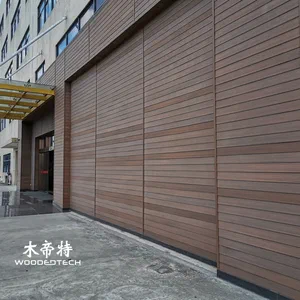 Wood Plastic Composite Wall Panel Manufacturer - High-Performance Facade Cladding
Related Products
 B14011 WPC Paneling Sheets Feature Double Flat Surfaces with Heat Pressed Wood Grain Designs for Outdoor Styles
 B7112 WPC Panel Design Exterior Boards Offer Stocked Fence Strips for Outdoor Decoration and Edge Finishing
 WPC Decking Accessories Provide Complete Installation Components for Professional Outdoor Flooring Projects