
WPC Factory Cost Analysis: Key Factors Influencing Industrial Procurement in 2026
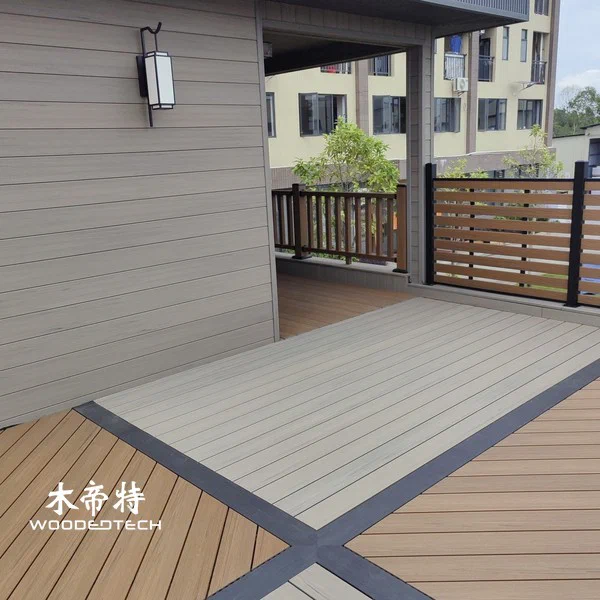
For international buyers sourcing wood plastic composite products from Guangdong, China, the factory’s production management system has a direct impact on procurement costs, product consistency, and delivery reliability. In 2026, professional WPC manufacturers focus on raw material optimization, efficient production scheduling, quality control, and inventory management to keep prices competitive without sacrificing product performance.
1. Raw Material Costs and Formula Optimization
Raw materials are one of the largest components of WPC manufacturing costs. A typical outdoor WPC formula includes wood powder, HDPE or PVC polymers, coupling agents, stabilizers, pigments, lubricants, and other functional additives. Changes in the price or quality of these materials can directly affect the final quotation.
At our Guangdong factory, purchasing decisions are based on both material prices and production requirements. Buying recycled or virgin polymers, for example, involves different cost and performance considerations. Recycled materials can reduce procurement expenses, but their quality must be carefully evaluated to maintain consistent strength, dimensional stability, and weather resistance.

Wood powder also requires strict inspection. Moisture content, particle size, and cleanliness influence extrusion efficiency and finished product quality. Poor-quality wood powder can increase production waste, cause surface defects, and create unnecessary processing costs.
Professional manufacturers optimize their material formulas according to the intended application. Outdoor decking, wall panels, fencing, and decorative profiles have different mechanical and environmental requirements. Selecting the appropriate formula helps control material consumption while maintaining the required product specifications.
2. Production Efficiency and Equipment Utilization
Production efficiency is another major factor influencing the factory cost of WPC products. Extrusion lines, mixing systems, cooling equipment, cutting machines, and surface treatment facilities all contribute to manufacturing expenses.
A well-managed factory organizes production according to product dimensions, colors, formulas, and customer specifications. Similar orders are scheduled together whenever possible to reduce machine adjustments, material changes, and unnecessary downtime.
For example, producing several batches of the same WPC decking profile in sequence can reduce setup time compared with frequently switching between different profile designs. This improves equipment utilization and allows operators to maintain a more consistent production rhythm.
Preventive maintenance is equally important. Regular inspection of extrusion screws, molds, heating systems, and cooling equipment helps prevent unexpected breakdowns. When production equipment operates reliably, manufacturers can reduce repair expenses, avoid production interruptions, and maintain stable output.
Automation also helps improve efficiency. Automatic feeding, temperature monitoring, cutting, and packaging systems reduce repetitive manual work and improve production accuracy.
3. Labor, Energy, and Factory Overhead
The manufacturing cost of WPC products extends beyond raw materials. Labor, electricity, equipment depreciation, factory maintenance, packaging, and administrative expenses must also be considered.
Electricity consumption is particularly important in extrusion manufacturing because heating, mixing, cooling, and auxiliary equipment operate throughout production. Professional factories monitor energy consumption across production lines and identify equipment that uses excessive power.
Labor efficiency depends on production organization and employee experience. Operators who understand extrusion temperature control, material feeding, and machine adjustment can reduce processing errors and material waste. Standard operating procedures also help new employees follow consistent production requirements.
Factory overhead is managed through production planning and resource allocation. Rather than allowing machines and workers to remain idle between orders, production managers coordinate schedules to maintain a reasonable workload across different departments.
These management practices help manufacturers control the cost per unit without relying solely on cheaper raw materials or reduced product specifications.
4. Order Management and Production Scheduling
International procurement often involves multiple product specifications, container quantities, customized colors, and strict delivery deadlines. Without effective order management, even a factory with sufficient production capacity may experience delays.
A professional WPC manufacturer typically follows a structured order management process:
- Order confirmation: Verify product dimensions, profile drawings, colors, surface finishes, quantities, and packaging requirements.
- Material preparation: Calculate raw material requirements and arrange purchasing according to the production schedule.
- Production planning: Allocate extrusion lines, molds, labor, and equipment based on order priorities.
- Manufacturing: Monitor production progress and maintain batch records.
- Quality inspection: Check product dimensions, appearance, mechanical performance, and packaging.
- Shipment preparation: Coordinate finished goods, container loading, shipping documents, and delivery schedules.
Production managers also maintain communication between sales, purchasing, production, quality control, and warehouse teams. This reduces misunderstandings and helps identify potential delays before they affect shipment dates.
For OEM and private-label orders, early confirmation of custom molds, colors, and packaging designs is especially important because these requirements may extend the preparation period.
5. Quality Control and Production Waste Reduction
Low factory prices do not necessarily represent low procurement costs. Products with inconsistent dimensions, weak mechanical performance, or poor weather resistance can create additional expenses through installation problems, customer complaints, replacements, and warranty claims.
Professional manufacturers implement quality inspections at different production stages. Incoming materials are checked before entering the mixing process, while extrusion operators monitor temperature, pressure, production speed, and product appearance.
Finished WPC products are inspected for:
- Dimensional accuracy and profile consistency.
- Surface appearance, color uniformity, and texture.
- Density, strength, and dimensional stability.
- Moisture resistance and relevant weathering performance.
- Packaging condition and quantity accuracy.
Production waste is also monitored. Defective profiles, cutting losses, and material residue should be recorded and analyzed. Where technically suitable, clean production scrap may be reprocessed under controlled conditions.
Reducing waste improves material utilization and lowers the manufacturing cost per finished product. However, recycling practices must follow the product formula and quality requirements rather than compromising performance to achieve a lower price.
6. Inventory Management and Stable International Delivery
Reliable delivery requires coordination between raw material inventory, work-in-progress stock, finished products, and shipping arrangements.
Factories that depend entirely on last-minute material purchasing may face production interruptions when suppliers experience shortages or price fluctuations. Maintaining appropriate safety stock for commonly used polymers, additives, and packaging materials helps reduce this risk.
Finished goods inventory should also be managed carefully. Standard WPC profiles may be produced according to forecast demand, while customized products are generally scheduled against confirmed orders to avoid unnecessary stock accumulation.
For international customers, production managers should consider the entire delivery process, including manufacturing lead time, quality inspection, packaging, container loading, and export documentation. Container utilization is another important cost factor. Appropriate product dimensions and packaging arrangements can help maximize loading efficiency and reduce freight costs per unit.
Clear communication is essential when delivery schedules change. Buyers should receive realistic production updates rather than estimated shipment dates that have not been confirmed by the factory.
7. Evaluating the Real Cost of a WPC Supplier
When comparing WPC manufacturers in 2026, industrial buyers should look beyond the quoted price per board or square meter. A competitive quotation should reflect material quality, manufacturing efficiency, product specifications, quality assurance, packaging, and delivery capability.
Buyers should request detailed specifications, production samples, inspection records, and clear quotations covering the agreed product configuration. It is also useful to evaluate a manufacturer’s extrusion capacity, customization experience, production planning system, and ability to handle repeat orders.
A reliable WPC factory creates value through consistent manufacturing rather than short-term price reductions. For international distributors, wholesalers, contractors, and project developers, working with a manufacturer that controls material consumption, production efficiency, quality, and logistics can make long-term procurement more predictable and commercially sustainable.
Related Articles
Related Products
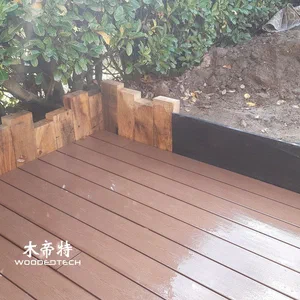
 GD13823-3 Composite Boards for Decking Are Available in Multiple Stock Colors with 3 Meter Lengths and Single Piece Delivery
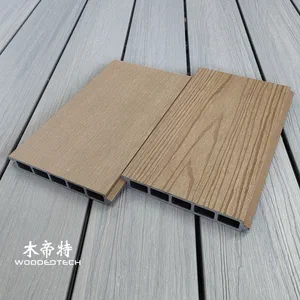 3DGL18024 WPC Longboard Fence Features Premium Co Extruded 3D Embossed Teak Wood Grain Texture with Realistic Natural Wood Fibers
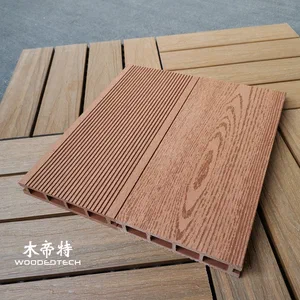 The Classic D14025-4 Red Wood WPC Wood Sheet Features a Timeless 2D Flat Wood Grain Design That Remains Popular After Twenty Years