
WPC Facade Solutions: Key Benefits, Applications, and Industry Standards
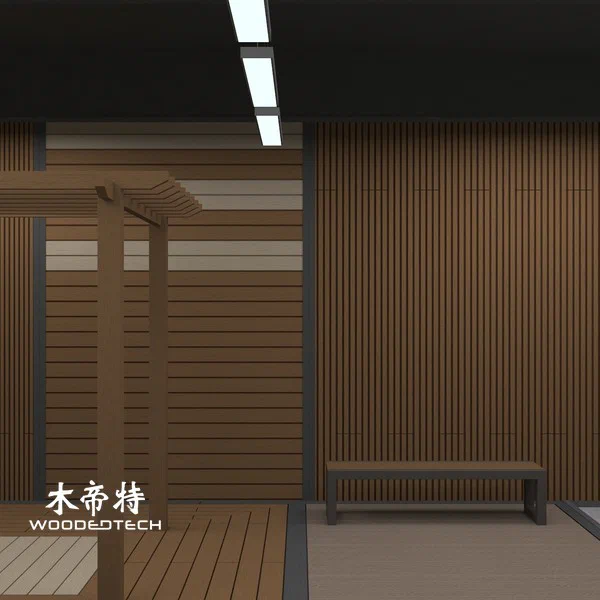
WPC facade solutions use wood-plastic composite panels to combine the appearance of natural timber with reduced maintenance requirements and reliable outdoor performance. For commercial buildings, residential developments, hotels, and public facilities, WPC cladding offers a practical alternative to traditional wood, aluminum, and other exterior finishes when material selection balances aesthetics, durability, installation requirements, and lifecycle costs.
How WPC Compares with Other Facade Materials
Wood-plastic composite (WPC) typically combines wood fibers or wood flour with thermoplastics and performance additives. Exterior-grade products are available in different profiles, textures, colors, and surface treatments, including co-extruded cladding designed to improve resistance to moisture, staining, and UV exposure. Compared with natural wood, WPC generally requires less routine maintenance and does not need regular staining or painting. However, its performance depends on the formulation, protective layer, profile design, and installation quality. Prolonged exposure to sunlight can still cause color changes, while temperature fluctuations require appropriate expansion gaps and fixing systems.
Traditional timber remains attractive for projects that prioritize authentic grain, natural aging, and established architectural character. Its disadvantages include periodic sealing, painting or oiling, susceptibility to moisture-related movement, and potential insect or fungal damage. Aluminum cladding offers excellent dimensional stability, low maintenance, and a wide range of finishes, making it suitable for contemporary commercial facades. However, it may have a higher initial cost for premium systems and can create a distinctly metallic appearance. Fiber cement and porcelain panels provide durable alternatives with strong weathering performance, but they can be heavier, more demanding to cut or handle, and more dependent on specialized installation systems.
Key Applications of WPC Facade Systems
WPC facade panels are commonly considered for residential exterior walls, apartment balconies, hotel elevations, retail storefronts, office buildings, garden structures, and decorative screening. Slatted profiles and exterior WPC louvers can add visual depth, create privacy, and help manage sunlight when designed as part of a suitable architectural system. Wood-look finishes also allow designers to introduce a warmer appearance without relying entirely on natural timber.
For exterior projects, the material should be selected according to local climate, building height, exposure, ventilation requirements, and expected service life. A ventilated rainscreen assembly can help manage moisture behind the cladding, but WPC panels should not automatically be treated as waterproofing or structural components. Substrates, drainage, flashings, corrosion-resistant fasteners, and movement allowances all influence long-term performance.
Maintenance and Lifecycle Cost Considerations
WPC usually needs periodic cleaning with water and a manufacturer-approved detergent, along with inspections of fasteners, joints, drainage paths, and exposed edges. Natural timber may require recurring coatings and repairs, while aluminum typically needs cleaning and inspection of joints and protective finishes. Fiber cement and porcelain generally need limited surface maintenance, although damaged panels, sealants, or fixing components may require professional attention.
Lifecycle costs should include more than the purchase price. Compare material supply, substructure, installation labor, access equipment, cleaning, repairs, replacement frequency, and disposal. WPC can offer savings where reduced coating and maintenance work outweighs its initial premium over basic timber. Aluminum or mineral-based panels may prove more economical for some demanding commercial applications, depending on specification and service life. Requesting a lifecycle cost assessment over 20–30 years, using consistent assumptions for all materials, gives project owners a more meaningful comparison than initial price alone.
Industry Standards and Specification

WPC facade products should be assessed against applicable building codes and project-specific performance requirements. Depending on the market and assembly, these may include fire classification, weather resistance, dimensional stability, mechanical fixing performance, UV resistance, and relevant environmental documentation. Standards such as ASTM D7032 address performance evaluation of certain wood-plastic composite decking and guardrail products; they should not be assumed to establish compliance for facade cladding. European projects may require applicable reaction-to-fire classifications under EN 13501-1 and assessment of the complete facade assembly.
Before procurement, request current test reports, installation instructions, warranty terms, and technical data for the exact product and intended application. Fire performance, in particular, must be verified for the proposed assembly and local regulations rather than inferred from the material name alone.
FAQ
Q: Is WPC suitable for exterior wall cladding?
A: Yes, exterior-grade WPC can suit many residential and commercial facades when the product, fixing system, ventilation, and fire performance meet project requirements.
Q: Is WPC facade cladding cheaper than natural wood?
A: WPC may cost more initially than basic timber, but reduced coating and maintenance requirements can improve its lifecycle cost.
Q: Which standards should buyers check before ordering WPC facade panels?
A: Buyers should verify applicable local building codes, fire classification, weathering and dimensional-stability test reports, installation requirements, and product-specific warranties.
Related Articles
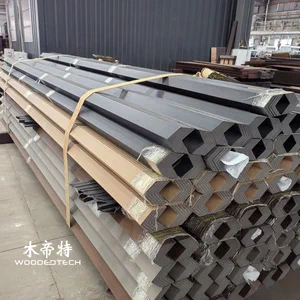 Exterior Wood Plastic Composite Wall Cladding Panels for Modern Facades
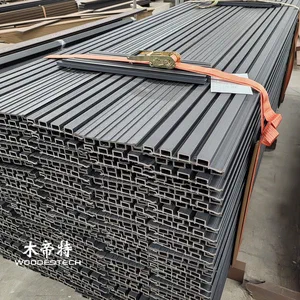 How To Install Wpc Fluted Panel Outdoor
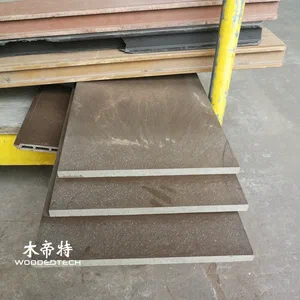 Plastic wood like cladding delivers natural wood appearance with excellent weather resistance for exterior walls
 Wpc wall panel dimensions help customers select suitable exterior cladding sizes for projects
Related Products
 3D17618wood look plastic cladding with three dimensional embossed texture offers unique exterior wall decoration effects
 Q14520.5 wpc cladding outdoor with single layer structure provides a cost effective solution for exterior wall decoration
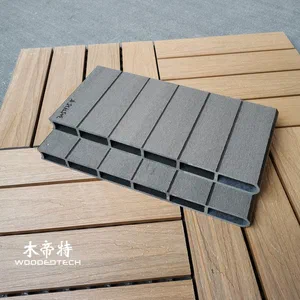 Q30525.4 Extra Wide 300mm Wood Cladding for Exterior Walls with Modern Outdoor Design