
WPC Extrusion Manufacturing Process and Applications
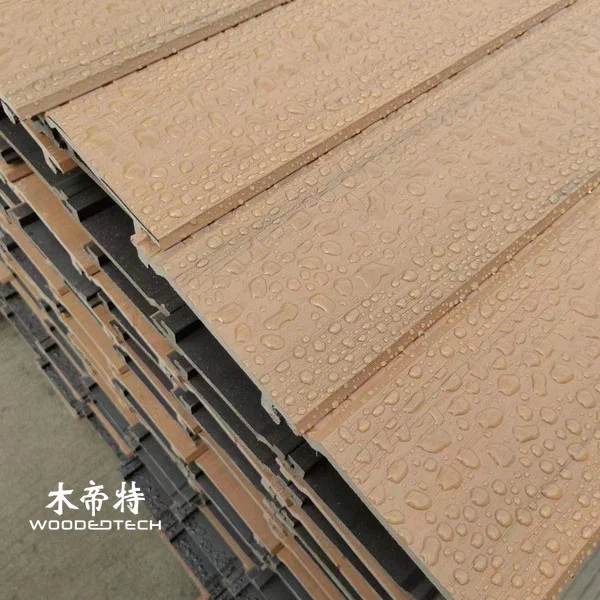
WPC extrusion manufacturing process and applications focus on turning wood plastic composite raw materials into stable, weather-resistant profiles for outdoor and architectural use. For B2B buyers, the value lies in consistent quality, flexible shapes, and reliable performance across decking, cladding, fencing, and decorative wall systems.
Key Features
The process starts by blending wood fiber, recycled plastic, and performance additives, then feeding the mix into a controlled extrusion line. Under heat and pressure, the material is formed into precise profiles, cooled, calibrated, and cut to length. Depending on the product grade, surfaces can be embossed, brushed, grooved, or co-extruded for better stain resistance and lower maintenance.
WPC extrusion is popular because it combines the look of wood with the stability of engineered plastic. Compared with natural timber, finished products offer:
- better resistance to moisture, rot, and insects
- color consistency for large commercial projects
- low maintenance and easy cleaning
- customizable sizes, textures, and colors
- suitable strength for outdoor long-term use
Main Specifications

Typical WPC extrusion specifications vary by application, but common buyer requirements include:
- Material: wood plastic composite
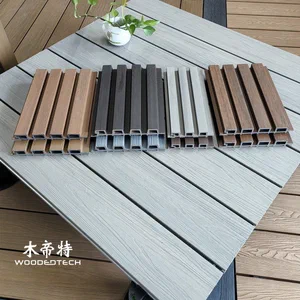
- Surface: smooth, wood grain, embossed, grooved, or co-extruded
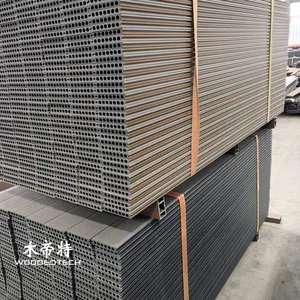
- Structure: solid or hollow
- Width/thickness: customizable by project
- Length: standard or cut-to-order
- Color: teak, gray, coffee, walnut, and custom shades
- Performance: UV resistance, water resistance, anti-slip options, dimensional stability
For importers and project contractors, these profiles can be produced to match installation systems, local building standards, and branding needs. OEM and private-label supply is also available for distributors looking to build their own product lines.
Typical Applications
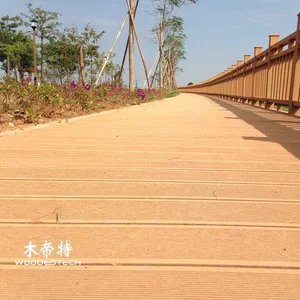
WPC extrusion products are widely used in outdoor flooring, wall cladding, garden fencing, pergolas, louvers, stair parts, and landscape structures. They are especially suited to hotels, resorts, residential developments, public walkways, commercial facades, and garden renovation projects where appearance and durability both matter.
Because the extrusion process supports continuous production, it is a practical choice for bulk orders and repeat projects. Buyers can source matching decking boards, wall panels, battens, and decorative profiles from one supply chain, reducing procurement complexity and keeping finishes consistent across the site.
FAQ
Q: What makes WPC extrusion different from traditional wood processing? A: WPC extrusion uses a composite material made from wood fiber and plastic, so the finished profiles are more stable and weather-resistant than natural wood.
Q: Can WPC extrusion products be customized for different markets? A: Yes. Size, color, surface texture, and profile shape can all be customized to suit local preferences and project requirements.
Q: Where are WPC extrusion products most commonly used? A: They are commonly used in decking, wall cladding, fencing, louvers, and outdoor architectural decoration.
Related Articles
Related Products
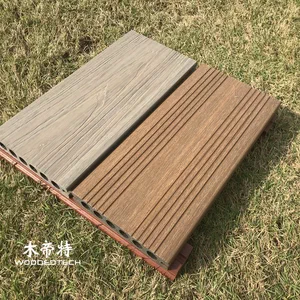 GD13823-3 Second Generation Co Extruded Wood Plastic Composites With High Quality Stable Performance For Premium Outdoor Applications
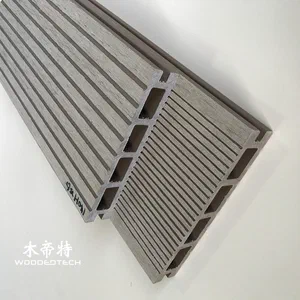 D14025-3 Composite Lumber for Decks Features a Classic Double Sided Groove Design with Excellent Value for Outdoor Projects
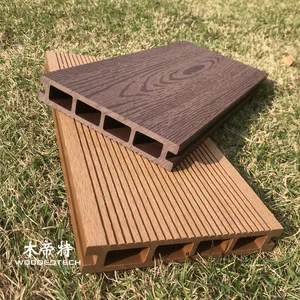 D14025-4 Composite for Decking Provides Stable Performance and Reliable Quality as a Popular Choice for Outdoor Projects