
WPC Exterior Wall Cladding Price Depends on Material Quality Design and Project Requirements

The quality of materials used in wood-plastic composite (WPC) products significantly impacts their durability, weather resistance, and overall performance. In a professional outdoor WPC factory, understanding the roles of wood powder, HDPE or PVC polymers, additives, pigments, and modifiers is essential to producing high-quality exterior wall cladding that meets project requirements.
Material Composition and Its Impact
Wood powder serves as the primary filler in WPC formulations, contributing to the material’s structural integrity and aesthetic appeal. The size and type of wood powder affect the final product’s strength and resistance to moisture. Finer particles can enhance the surface finish, while coarser grains may improve structural support.

HDPE (high-density polyethylene) and PVC (polyvinyl chloride) are the polymers typically used in WPCs. HDPE offers excellent weather resistance, UV stability, and durability, while PVC can provide better flexibility and impact resistance. The proper selection between these polymers is crucial, as it directly influences the product’s lifespan and its ability to withstand harsh outdoor conditions.
Additives play a vital role in enhancing specific characteristics of WPC products. These can include anti-UV agents to protect against sun damage, anti-fungal agents to prevent mold growth, and flame retardants for increased safety. The right combination of additives ensures that the final product can endure various environmental challenges.
Pigments are essential for achieving the desired color and appearance of WPC products. They must be UV-stable to maintain color over time, preventing fading and ensuring the aesthetic appeal of exterior wall cladding. The choice of pigments can also influence the thermal properties of the material, which is critical for outdoor applications.
Modifiers can enhance the performance of WPCs by improving their mechanical properties, such as tensile strength and impact resistance. Common modifiers include coupling agents that promote better adhesion between the wood fibers and polymers, leading to a more cohesive and durable product.
Quality Control Methods
To ensure the highest quality of WPC products, rigorous factory inspection methods are essential. These include:
Raw Material Inspection: Conducting tests on wood powder for moisture content and particle size distribution. Polymer samples should be analyzed for purity and consistency.
Mechanical Testing: Performing tensile and flexural strength tests on produced WPC samples to confirm they meet industry standards.
Weathering Tests: Subjecting samples to UV exposure and moisture cycles to evaluate their resistance to fading, warping, and decay over time.
Visual Inspection: Ensuring the final product is free from defects such as cracks, uneven surfaces, and inconsistent colors.
Maintaining quality standards throughout the production process is critical. Adhering to international quality benchmarks, such as ASTM and ISO standards, ensures that the WPC products produced are durable and reliable for outdoor applications.
FAQ
Q: What materials are commonly used in WPC products?
A: Wood powder, HDPE or PVC polymers, additives, pigments, and modifiers are the primary materials used in WPC manufacturing.
Q: How does the choice of polymer affect WPC durability?
A: HDPE offers better weather resistance and UV stability, while PVC provides flexibility and impact resistance, both crucial for longevity.
Q: What are the key quality control measures in a WPC factory?
A: Key measures include raw material inspection, mechanical testing, weathering tests, and visual inspections to ensure product quality.
Related Articles
 Best WPC Decking Provides High Quality Outdoor Flooring Solutions for Global Markets
 WPC Cladding Outdoor Systems Create Modern Exterior Walls with Weather Resistant Performance
 WPC Deck Provides Natural Wood Appearance with Long Lasting Outdoor Performance
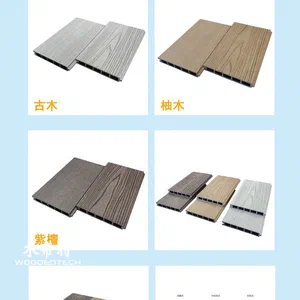 Wood plastic composite flooring installation provides practical guidance for creating durable outdoor floors
Related Products
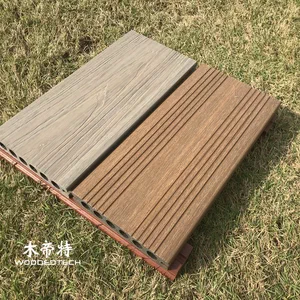 GD13823-3 Second Generation Co Extruded Wood Plastic Composites With High Quality Stable Performance For Premium Outdoor Applications
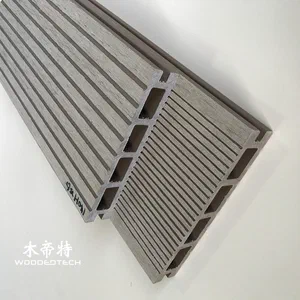 D14025-3 Composite Lumber for Decks Features a Classic Double Sided Groove Design with Excellent Value for Outdoor Projects
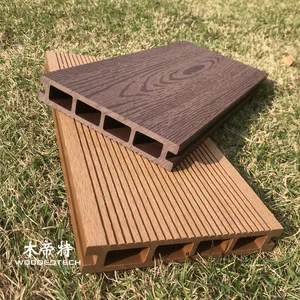 D14025-4 Composite for Decking Provides Stable Performance and Reliable Quality as a Popular Choice for Outdoor Projects