
wpc exterior wall cladding philippines offers reliable building facade solutions for tropical environments

WPC exterior wall cladding in the Philippines gives builders a practical facade option for hot, humid, and coastal conditions. Compared with natural wood, traditional timber, aluminum, and other exterior materials, it offers a balanced mix of weather resistance, visual consistency, and lower upkeep.
Why WPC suits tropical facades
Outdoor WPC is made for environments where moisture, UV exposure, and frequent rain quickly expose the weaknesses of many facade materials. It resists rot, insect attack, and warping better than untreated wood, while keeping a stable appearance across large wall areas. For Philippine projects, that matters because exterior finishes are constantly tested by heat, salt air, and seasonal storms.
Natural wood delivers warmth and a premium look, but it needs disciplined care. Regular sealing, staining, and inspections are necessary to slow fading, cracking, and fungal damage. Traditional timber can perform well when properly specified, yet lifecycle costs rise fast once labor, coatings, and replacement cycles are included. WPC usually has a higher upfront price than softwood, but it often becomes more economical over time because maintenance is simpler and repainting is not part of the routine.
Comparison with aluminum and other exterior materials
Aluminum cladding has a strong case in commercial work. It is lightweight, dimensionally stable, and easy to install, but it can feel cold or industrial on smaller buildings. It also dents, reflects heat, and may require thermal attention in very sunny locations. Fiber cement and similar cement-based boards are durable and fire-conscious, yet they are heavier, more brittle at cut edges, and often need more careful detailing to avoid cracking or water intrusion.
Compared with these systems, WPC sits in the middle. It does not match aluminum for absolute rigidity, and it is not identical to hardwood in tactile authenticity, but it gives a more natural facade than metal and a more forgiving maintenance profile than timber. That is why it is often chosen for residential villas, resort buildings, townhouse elevations, and mixed-use projects that need a wood look without the same level of upkeep.

Practical advantages
- Lower maintenance than natural wood
- Better moisture resistance than traditional timber
- Consistent color and profile quality
- Good option for humid and coastal environments
- Strong visual match for modern tropical architecture
Main limitations
- Can cost more upfront than basic timber
- Surface quality depends on product grade and manufacturing control
- Lower heat tolerance than metal in some dark finishes
- Less authentic than real timber for projects that demand natural grain variation
Maintenance and lifecycle cost
Maintenance for WPC wall cladding is straightforward: periodic washing, basic inspection of fixings, and checking joints after severe weather. There is no need for annual staining or repeated sealing, which reduces long-term service costs and site disruption. By contrast, wood cladding often needs a scheduled maintenance budget from day one, especially in exposed elevations.
Lifecycle cost is where WPC often stands out. The initial purchase may be higher than budget timber, but the total cost over 10 to 20 years can be lower once coatings, labor, waste, and replacement are counted. Aluminum can also be cost-effective over time, but it usually serves a different aesthetic and may require a more engineered support system.
For buyers comparing facade materials in the Philippines, the decision usually comes down to priorities. If the goal is low maintenance, reliable appearance, and a wood-inspired finish that handles tropical weather well, WPC is a practical choice.
FAQ
Q: Is WPC exterior wall cladding better than natural wood for the Philippines? A: For most tropical projects, yes. It handles moisture, UV exposure, and insect risk with less ongoing maintenance than natural wood.
Q: How does WPC compare with aluminum cladding? A: Aluminum is more rigid and fully non-wood in appearance, while WPC gives a warmer finish and better visual similarity to timber. WPC is often preferred when design and maintenance balance matter most.
Q: What affects the lifecycle cost of facade materials? A: Product grade, installation quality, climate exposure, and maintenance frequency all matter. Materials that need repeated sealing, repainting, or replacement usually become more expensive over time.
Related Articles
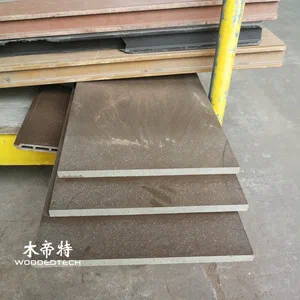 Plastic wood like cladding delivers natural wood appearance with excellent weather resistance for exterior walls
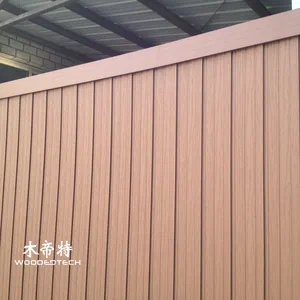 Anti-UV WPC Exterior Wall Cladding for Long-Lasting Facade Protection
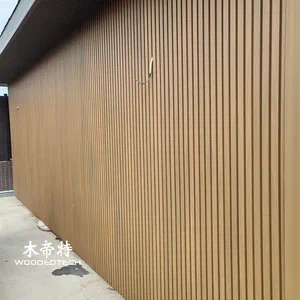 Durable Outdoor Wall Panel & Waterproof Exterior Cladding Solutions
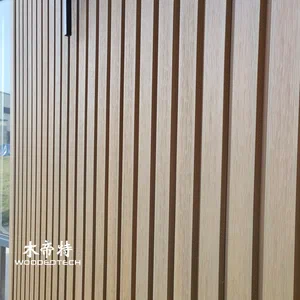 Exterior cladding wpc Panels | Weather-Resistant Architectural Facades
Related Products
 B30014 Plastic Wood 4x8 Sheets Provide Wide Thin Boards for Large Outdoor Display and Surface Applications
 B7015 HDPE Wood Composite Boards Are Commonly Used for Small Outdoor Garden Fence and Decorative Projects
 3D17618wood look plastic cladding with three dimensional embossed texture offers unique exterior wall decoration effects