WPC Exterior Panels for Attractive Outdoor Walls Building Facades and Exterior Cladding Applications
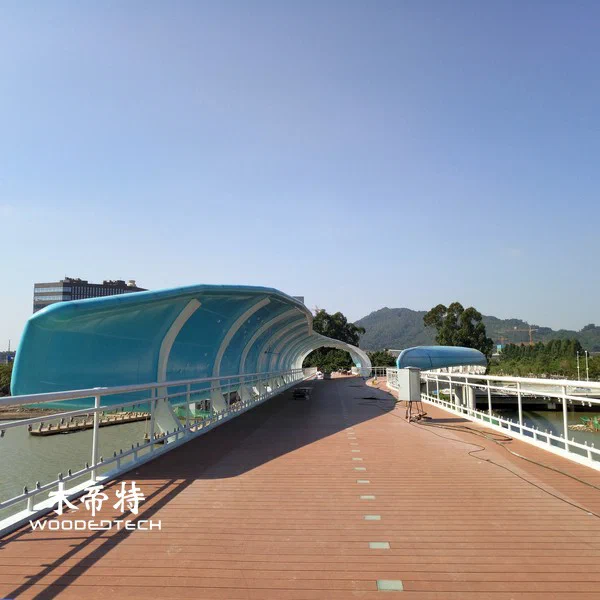
WPC exterior panels are increasingly popular for building facades and exterior cladding applications due to their durability, weather resistance, and aesthetic appeal. The composition of these panels, which includes wood powder, HDPE or PVC polymers, additives, pigments, and modifiers, plays a crucial role in determining their overall performance and longevity.
Key Components and Their Impact
The primary raw materials used in WPC production greatly influence the durability and weather resistance of the finished panels.

Wood Powder: This natural filler contributes to the aesthetic qualities of WPC, allowing for a wood-like appearance while enhancing the material’s strength. The quality of wood powder, including its fineness and moisture content, is critical; finer particles promote better bonding and reduce voids within the composite.
Polymers (HDPE/PVC): High-density polyethylene (HDPE) and polyvinyl chloride (PVC) serve as the primary matrix in WPC. These polymers provide the necessary structural integrity and resistance to moisture, ensuring that the panels do not degrade under harsh weather conditions. HDPE is known for its higher impact resistance, while PVC offers superior color retention and UV stability.
Additives and Modifiers: Various additives are incorporated to enhance specific properties. For instance, UV stabilizers protect against sun exposure, while flame retardants enhance safety. Modifiers can also improve flexibility and reduce brittleness, ensuring the panels can withstand physical stress without cracking or warping.
Pigments: Colorants not only contribute to the visual appeal of WPC panels but also impact their UV resistance. Quality pigments ensure that the color remains vibrant over time, resisting fading and discoloration.
Quality Control in Manufacturing
To ensure that WPC panels meet stringent quality standards, several inspection methods are employed throughout the manufacturing process.
Material Inspection: Raw materials must be tested for consistency and quality before use. This includes checking the moisture content of wood powder and conducting tests on polymer properties.
In-Process Quality Checks: During the extrusion process, parameters such as temperature, pressure, and flow rate are monitored closely. Deviations can affect the physical properties of the panels, so maintaining precise conditions is crucial.
Final Product Testing: Once produced, WPC panels undergo various tests to assess their durability and performance. These tests may include:
- Water absorption tests to evaluate moisture resistance
- UV exposure tests to check color fastness
- Mechanical tests to measure impact resistance and tensile strength
Adhering to recognized quality standards like ISO 9001 and ASTM specifications ensures that the products are reliable and can perform well in outdoor applications.
FAQ
Q: What are WPC exterior panels made of?
A: WPC exterior panels are composed of wood powder, HDPE or PVC polymers, additives, pigments, and modifiers.
Q: How do WPC panels resist weather conditions?
A: The combination of high-quality polymers and additives provides moisture resistance, UV stability, and overall durability against harsh weather.
Q: What quality standards should WPC panels meet?
A: WPC panels should adhere to standards such as ISO 9001 and ASTM specifications, ensuring they are tested for durability and performance.
Related Articles
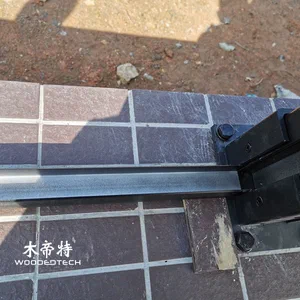 WPC Exterior Cladding for Durable Modern Building Facades Outdoor Walls and Architectural Applications
 WPC Exterior Wall Cladding Price Depends on Material Quality Design and Project Requirements
 Plastic Wood Deck Floor Offers Low Maintenance And Natural Looking Outdoor Flooring Performance
 Waterproof Plastic Wood Provides Reliable Outdoor Performance In Different Weather Conditions
Related Products
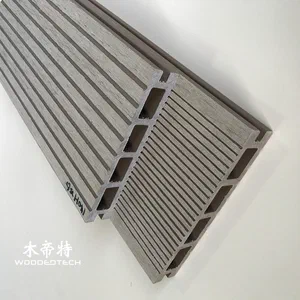 D14025-3 Composite Lumber for Decks Features a Classic Double Sided Groove Design with Excellent Value for Outdoor Projects
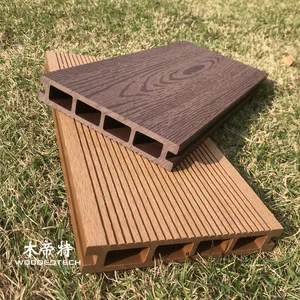 D14025-4 Composite for Decking Provides Stable Performance and Reliable Quality as a Popular Choice for Outdoor Projects
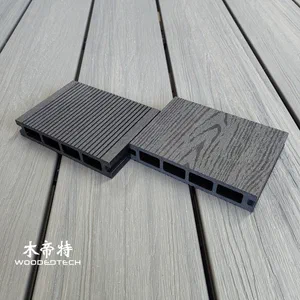 D14025-4 WPC Decking Boards Feature a Flat Wood Grain Surface with Black Ebony Heartwood Ring Grain for Outdoor Applications