WPC Exterior Cladding for Durable Modern Building Facades Outdoor Walls and Architectural Applications
Wood Plastic Composite (WPC) exterior cladding is increasingly favored for modern building facades due to its durability, weather resistance, and aesthetic appeal. This composite material, made from wood powder and polymers like HDPE or PVC, provides an efficient alternative to traditional wood and other materials in architectural applications. Understanding the various components that constitute WPC and their impact on performance is crucial for manufacturers and builders alike.
Key Components and Their Effects
The primary ingredients in WPC are wood powder, HDPE or PVC polymers, additives, pigments, and modifiers. Each of these plays a vital role in determining the final product’s quality and longevity.
Wood Powder: Sourced from recycled wood, it contributes to the natural look and feel of WPC. The quality of wood powder, including its particle size and moisture content, can significantly influence the composite’s mechanical properties and durability.
Polymers (HDPE/PVC): These thermoplastics bind the wood fibers together and provide resistance against moisture and insects. High-density polyethylene (HDPE) is often preferred due to its strength and ability to withstand a variety of environmental conditions, enhancing the overall weather resistance of the product.
Additives: These materials improve specific characteristics of WPC, such as UV resistance, fire retardancy, and anti-fungal properties. Properly formulated additives can prolong the service life of WPC products by preventing degradation from sun exposure or moisture.
Pigments: Color additives not only enhance aesthetic appeal but also contribute to UV resistance. Choosing the right pigments can help maintain color integrity over time, minimizing fading and discoloration.
Modifiers: These materials can adjust the physical properties of WPC, such as flexibility and impact resistance. Modifiers enable customization to meet specific application requirements, making WPC suitable for a broad range of architectural designs.
Inspection Methods and Quality Standards
To ensure the quality and performance of WPC products, rigorous inspection methods must be employed at various stages of production. Key practices include:
Raw Material Testing: Before production begins, raw materials like wood powder and polymers should be tested for moisture content, density, and particle size distribution. This guarantees that only high-quality components are used.
In-Process Quality Control: During manufacturing, regular monitoring of temperature, pressure, and mixing times is essential. Any deviations from established parameters can lead to defects in the final product.
Final Product Testing: Once WPC panels are produced, they should undergo a series of tests, including tensile strength, flexural strength, and impact resistance. Additionally, weathering tests simulate prolonged exposure to UV rays and moisture, ensuring that the panels maintain their performance over time.

Adhering to industry quality standards, such as ASTM and ISO certifications, further assures customers of the reliability and longevity of WPC exterior cladding products.
FAQ
Q: What are the benefits of using WPC for exterior cladding?
A: WPC offers excellent durability, low maintenance, and resistance to weathering, making it an ideal choice for outdoor applications.
Q: How does wood powder affect the quality of WPC?
A: The quality of wood powder, including its size and moisture content, directly impacts the strength and durability of the finished WPC product.
Q: What testing standards should WPC products meet?
A: WPC products should comply with ASTM and ISO standards for mechanical performance and weather resistance to ensure high quality.
Related Articles
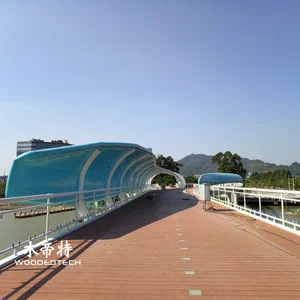 WPC Exterior Panels for Attractive Outdoor Walls Building Facades and Exterior Cladding Applications
 WPC Exterior Wall Cladding Price Depends on Material Quality Design and Project Requirements
 Plastic Wood Deck Floor Offers Low Maintenance And Natural Looking Outdoor Flooring Performance
 Waterproof Plastic Wood Provides Reliable Outdoor Performance In Different Weather Conditions
Related Products
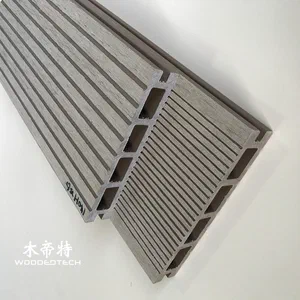 D14025-3 Composite Lumber for Decks Features a Classic Double Sided Groove Design with Excellent Value for Outdoor Projects
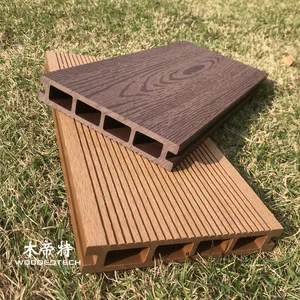 D14025-4 Composite for Decking Provides Stable Performance and Reliable Quality as a Popular Choice for Outdoor Projects
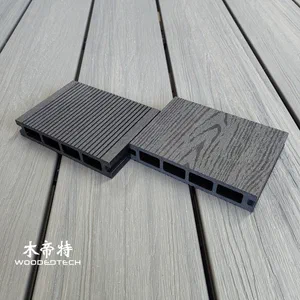 D14025-4 WPC Decking Boards Feature a Flat Wood Grain Surface with Black Ebony Heartwood Ring Grain for Outdoor Applications