
WPC Decking Panel Provides Durable And Stylish Solutions For Outdoor Flooring Projects

WPC (Wood Plastic Composite) decking panels offer a reliable and stylish option for outdoor flooring projects, combining the benefits of wood and plastic. The quality of these panels depends significantly on the raw materials used, including wood powder, HDPE/PVC polymers, additives, pigments, and modifiers. Each component plays a vital role in enhancing the durability, weather resistance, and overall performance of the final product.
Impact of Raw Materials on Durability and Weather Resistance
Wood powder serves as the primary filler in WPC formulations. It provides structural integrity and contributes to the composite’s natural appearance. The choice of wood powder affects the mechanical properties of the WPC, including strength and resistance to wear. High-quality wood powders ensure uniformity, reducing the risk of splintering or cracking over time.
HDPE (High-Density Polyethylene) and PVC (Polyvinyl Chloride) are the backbone polymers in WPCs. HDPE is known for its excellent toughness and resistance to moisture, making it ideal for outdoor applications. PVC, on the other hand, offers enhanced UV resistance and is less prone to fading. The right balance of these polymers results in a composite that can withstand various weather conditions, from intense sunlight to heavy rain.
Additives are critical for improving the functionality of WPC products. For example, anti-UV agents prevent color degradation, while fungicides and anti-fungal agents protect against mold and mildew. These additives help ensure that the WPC remains visually appealing and structurally sound over its lifespan.
Pigments not only enhance the aesthetic appeal of the decking but also contribute to its weather resistance. High-quality pigments provide better color retention and prevent fading due to UV exposure, ensuring that the product maintains its vibrant look over time.
Modifiers, such as impact reinforcers and processing aids, are also essential for optimizing the characteristics of WPCs. They can improve impact resistance, flexibility, and processing efficiency, leading to a more durable final product.
Factory Inspection Methods and Quality Standards
To maintain high standards in WPC production, rigorous inspection methods are employed throughout the manufacturing process. These include:
- Raw Material Testing: Each batch of wood powder and plastic polymers undergoes quality checks for consistency and purity before use.
- Mechanical Property Testing: Samples from each production run are tested for tensile strength, flexural strength, and impact resistance to ensure they meet industry standards.
- Weathering Tests: WPC panels are subjected to accelerated weathering tests to simulate long-term exposure to various environmental conditions, assessing their durability and performance.
- Visual Inspection: Finished panels are inspected for surface defects, color consistency, and overall appearance, ensuring they meet aesthetic standards.

Adhering to international quality standards, such as ISO 9001, guarantees that WPC products consistently meet customer expectations for performance and longevity.
FAQ
Q: What are the main benefits of using WPC decking panels for outdoor projects?
A: WPC decking panels offer durability, low maintenance, resistance to moisture, and a natural wood appearance, making them ideal for outdoor applications.
Q: How do additives improve WPC performance?
A: Additives enhance the resistance to UV rays, moisture, and mold, ensuring the longevity and visual appeal of WPC products.
Q: What testing methods ensure WPC quality in manufacturing?
A: Rigorous testing for raw materials, mechanical properties, weathering, and visual inspection are conducted to maintain high production standards.
Related Articles
 WPC Decking Weight Information Helps Customers Choose Suitable Outdoor Flooring Materials
 WPC Tile Flooring Provides A Practical Alternative For Outdoor And Indoor Decorative Applications
 Wood And Plastic Decking Tiles Offer Easy Installation For Garden And Patio Flooring Projects
 Composite Deck Gasket Provides Better Protection And Stability For Outdoor Decking Installation
Related Products
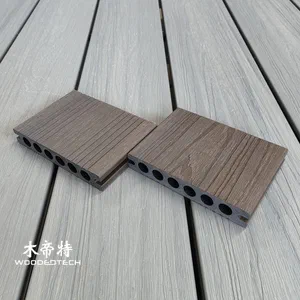 Purple Sandalwood GD13823-3 Co Extruded WPC Outdoor Decks with Round Holes Are Available in Stock in 3 Meter Lengths Year Round
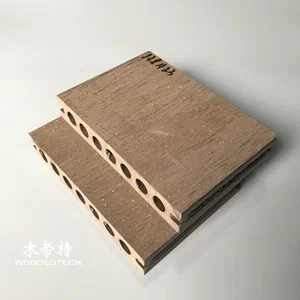 D13823 Round Hole Double Sided Flat WPC Bamboo Decking Boards With Strong Quality And Various Wood Grain Surface Treatments
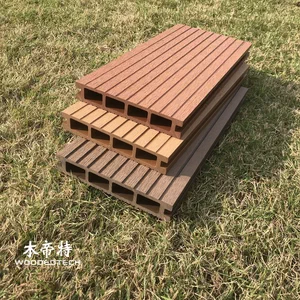 D14025-3 Square Hole Double Sided Grooved WPC Board Factory Producing Outdoor Decking Boards With Good Slip Resistance