
WPC Decking Meaning and Why It Is a Popular Choice for Outdoor Spaces
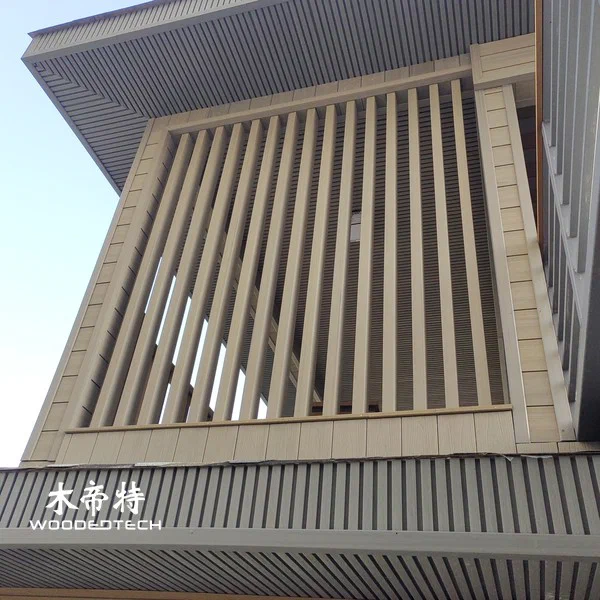
WPC decking means wood plastic composite decking, a building material made from wood fibers and thermoplastic polymers. It is widely used in outdoor spaces because it combines the natural look of timber with better moisture resistance, stable performance, and lower maintenance demand.
What WPC Decking Means in Practical Terms
For B2B buyers, WPC decking is not just a product name; it is a category of outdoor flooring designed for commercial reliability. Manufacturers can produce it in different profiles, colors, and surface textures, including grooved, embossed, and capped options, which helps match project requirements for hotels, resorts, public walkways, and residential developments. Compared with traditional wood, it does not require frequent sanding, staining, or painting, which lowers labor costs over the service life of a project.
Why It Is Popular for Outdoor Projects
Its popularity comes from a balanced mix of appearance, durability, and ease of installation. WPC decking performs well in environments exposed to rain, sunlight, and temperature changes, making it suitable for terraces, poolside areas, balconies, and garden decks. Many buyers also value its slip resistance and splinter-free surface, especially in spaces where safety and comfort matter. For procurement teams, the predictable quality and available bulk supply make planning and standardization easier across multiple sites.
Business Advantages for Contractors and Distributors
WPC decking offers several commercial benefits:
- Lower maintenance than wood decking
- Good resistance to rot, insects, and fading
- Consistent dimensions for faster installation
- Broad design choices for different markets
- Strong demand in outdoor construction and renovation projects
For distributors and project contractors, these advantages support repeat sales and reduce after-sales complaints. The material also fits well into sustainability-focused purchasing, since many formulations use recycled content and can align with eco-friendly exterior product lines.
Choosing the Right Specification

Not all WPC decking is the same. Buyers should compare core density, surface treatment, board structure, and whether the product is capped or uncapped. Solid boards are often preferred for heavy traffic areas, while hollow boards may suit lighter applications where weight control matters. It is also important to check installation compatibility, fastening systems, and warranty terms before placing a bulk order.
FAQ
Q: What does WPC in WPC decking stand for? A: WPC stands for wood plastic composite. It refers to a blend of wood fibers and plastic polymers used to make durable outdoor boards.
Q: Is WPC decking better than wood for commercial projects? A: In many cases, yes, because it needs less maintenance and holds up better against moisture and insects. The best choice still depends on the project budget and design goals.
Q: Where is WPC decking most commonly used? A: It is commonly used on outdoor decks, pool surrounds, balconies, walkways, and hospitality spaces. It is also popular in residential landscape projects.
Related Articles
 Deck Plastic Wood Combines Natural Appearance with Long Lasting Outdoor Performance
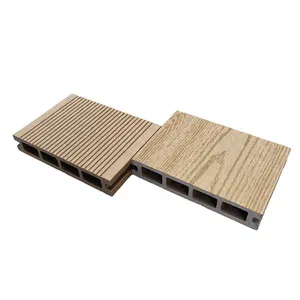 Outdoor WPC Decking for Beautiful Durable and Low Maintenance Outdoor Living
 Plastic Wood for Decking with Low Maintenance and Long Service Life
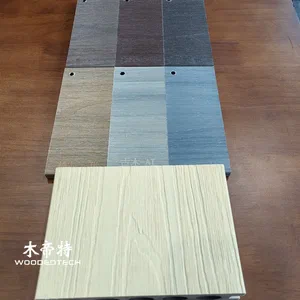 WPC Decking Blog with Expert Guides Installation Tips and Industry Insights
Related Products
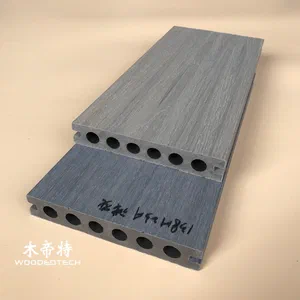 GD13823 Composite Decking Material Features Six Small Round Holes to Reduce Weight While Maintaining Structural Strength
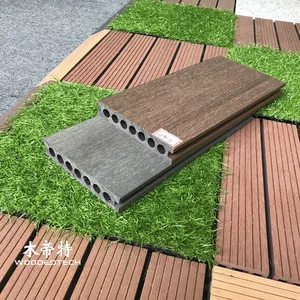 GD13823-2 Wood Versus Composite Decking Features Seven Round Holes with Wood Grain and Brushed Textures on Opposite Sides
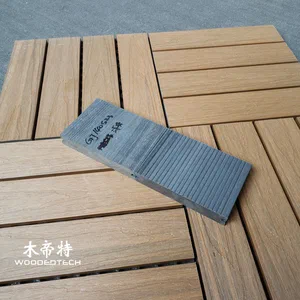 GD14023S Composite Deck Materials Feature a Solid Structure and Side Grooves for Better Adaptability in Extremely Cold Climates