
WPC Decking Materials for Strong Low Maintenance Outdoor Decking Solutions
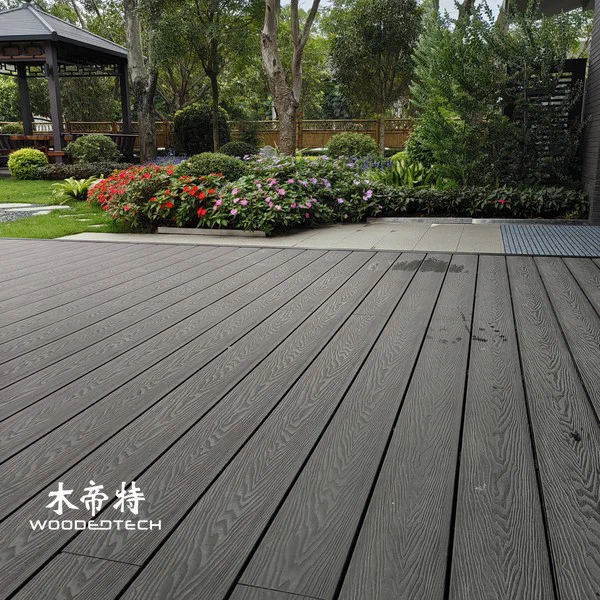
WPC decking materials offer a practical, durable solution for commercial outdoor projects that need strong performance and low upkeep. For builders, distributors, and project owners, they provide the look of timber without the constant sanding, sealing, or splitting issues that natural wood can bring.
Why WPC Decking Fits B2B Outdoor Projects
WPC decking, or wood plastic composite decking, is made from a blend of wood fibers and polymer materials. This structure gives it better resistance to moisture, rot, and everyday wear, which is especially valuable in public spaces, hospitality venues, residential developments, and landscape projects where long service life matters.
Compared with traditional timber, WPC decking reduces maintenance costs and simplifies site management. It does not require regular painting or oiling, and it performs well in environments exposed to rain, sunlight, and changing temperatures. That makes it a reliable choice for contractors seeking predictable results and fewer after-installation complaints.
Key Advantages for Commercial Buyers
For industrial and wholesale buyers, the main appeal is consistency. Modern WPC boards are manufactured with controlled dimensions and stable surface quality, helping installers work faster and reducing waste on site. Many products also come with embossed or capped finishes that improve appearance and enhance stain and scratch resistance.
Typical benefits include:
- low maintenance and easy cleaning
- strong resistance to moisture and insects
- stable color options for project matching
- improved slip resistance for outdoor safety
- suitable for decks, terraces, walkways, and poolside areas

WPC decking also supports sustainable purchasing goals. Many suppliers use recycled materials or efficient extrusion processes, which can help buyers meet environmental requirements in government, hospitality, and large-scale development projects.
Choosing the Right WPC Decking Specification
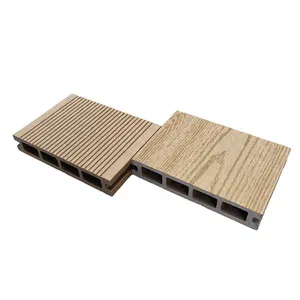
Selecting the right product depends on project load, exposure, and desired finish. Solid boards are often preferred for heavy-duty commercial use, while hollow profiles can be suitable for lighter applications where cost and weight matter. For demanding outdoor environments, capped or co-extrusion decking offers an added protective layer that improves durability and color retention.
Installation details also matter. Proper joist spacing, drainage, and fastening systems will affect long-term performance as much as the board itself. Buyers should ask suppliers about UV resistance, slip rating, warranty terms, and available accessories such as matching trim or hidden clips.
Supply Considerations for Importers and Contractors
When sourcing WPC decking materials, consistency in batch color, reliable lead times, and factory-level quality control are key. Buyers should work with manufacturers that can support OEM/ODM needs, technical documentation, and stable wholesale supply. This is especially important for export markets where compliance and repeat orders drive profitability.
FAQ
Q: What is WPC decking made of? A: It is typically made from wood fibers, plastic polymers, and performance additives. This combination creates a board that looks like wood but is more resistant to moisture and decay.
Q: Is WPC decking suitable for commercial outdoor use? A: Yes, it is widely used for commercial decks, walkways, and public leisure areas. Its low-maintenance nature and weather resistance make it a practical B2B option.
Q: What should buyers check before ordering WPC decking? A: Buyers should confirm board structure, surface finish, UV resistance, slip performance, and installation requirements. Factory consistency and after-sales support are also important.
Related Articles
Related Products
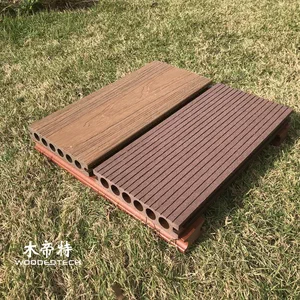
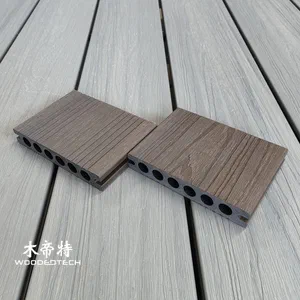 Purple Sandalwood GD13823-3 Co Extruded WPC Outdoor Decks with Round Holes Are Available in Stock in 3 Meter Lengths Year Round
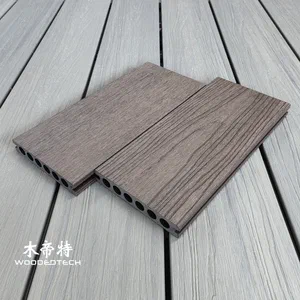 3DGD13823 Second Generation 3D Embossed Rosewood Composite Balcony Decking Delivers Ultra Realistic Wood Grain Texture and a Premium Natural Wood Experience
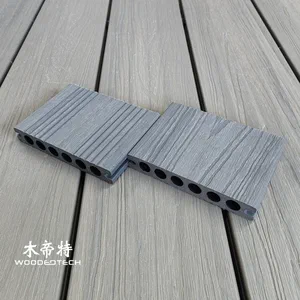 GD13823-3 Light Grey Premium Co Extrusion WPC Composite Decking Offers LG Texture and Excellent UV Resistance for Outdoor Spaces