
wpc decking floor offers durable and attractive solutions for gardens balconies and outdoor areas
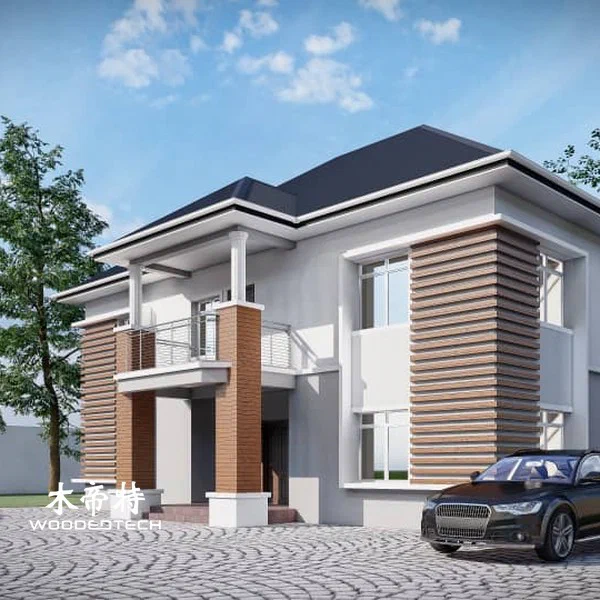
WPC decking floor brings a practical, modern look to gardens, balconies, and other outdoor areas. It combines wood-like warmth with the stability, weather resistance, and low maintenance that outdoor projects demand.
Modern design directions for outdoor WPC
Today’s outdoor spaces are designed to feel connected, calm, and easy to use. WPC decking, wall panels, fences, pergolas, gazebos, and landscape products support that goal with clean lines, unified finishes, and a coordinated material palette. Instead of mixing too many materials, designers often use one family of profiles across floors, walls, screens, and shade structures to create a more polished result.
Color is one of the strongest trends. Soft teak, warm brown, charcoal, and grey tones are popular because they work well with plants, stone, metal furniture, and glass railings. Lighter shades can make compact balconies feel larger, while deeper colors give gardens and terraces a more architectural appearance.
Texture and profile choices that change the space
Surface texture has a big impact on both style and performance. Embossed and wood-grain finishes add depth and help the product look more natural at close range. For decking, subtle grooves and anti-slip textures improve walking comfort and safety in wet conditions. On wall panels and cladding, fluted, slatted, and 3D profiles create shadow lines that make exterior walls look less flat and more refined.

Profile shape matters too. Wider boards can make small areas feel less busy, while narrow or ribbed profiles add visual rhythm. On pergolas and gazebos, matching beams, louvers, and trims help the structure look integrated rather than assembled from separate parts.
Modular design for flexible outdoor layouts
Modular systems are reshaping how outdoor products are used. Interlocking decking tiles, sectional fence panels, ready-made wall panels, and prefabricated pergola components make installation faster and reduce site waste. They also make it easier to repair, expand, or reconfigure a space later.
This approach works especially well in commercial projects, apartment balconies, and landscape zones where speed and consistency matter. A modular deck can flow into a privacy screen, planter box, or seating area without changing materials, which keeps the design clean and efficient.
A coordinated look across the whole outdoor area
The best modern outdoor designs use WPC as a complete visual system. A garden may combine decking floor boards with matching fence panels, wall cladding, and a pergola roof to define zones without heavy construction. In a balcony setting, waterproof flooring, slim railings, and light-toned wall panels can create a bright, low-maintenance retreat.
When colors, textures, and profiles are selected together, WPC products do more than perform well. They help outdoor spaces feel finished, durable, and visually balanced.
FAQ
Q: Why is WPC decking floor popular for gardens and balconies? A: It offers a wood-like appearance with better resistance to moisture, fading, and daily wear. It is also easier to maintain than traditional timber.
Q: How do textures improve WPC outdoor products? A: Textures add depth, make surfaces look more natural, and can improve slip resistance on decking. They also help wall panels and fences feel more architectural.
Q: What makes modular WPC products useful in landscape design? A: Modular parts are faster to install and easier to replace or expand. They also help create a consistent look across decks, screens, pergolas, and planting areas.
Related Articles


Related Products
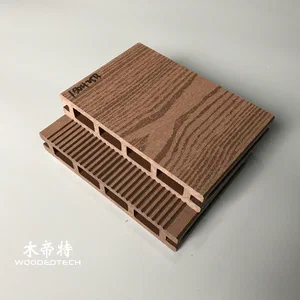 D15025-2 Classic Waterproof Insect Resistant Corrosion Resistant And Termite Resistant Composite Decking Types With Twenty Years Of Sales Experience
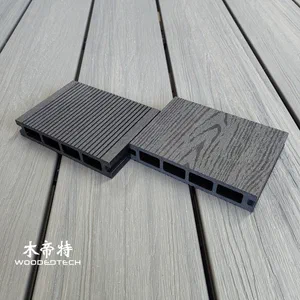 D14025-4 WPC Decking Boards Feature a Flat Wood Grain Surface with Black Ebony Heartwood Ring Grain for Outdoor Applications
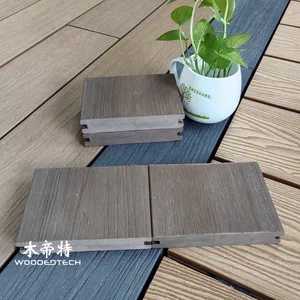 GD14025S Capped WPC Provides a Solid Board Structure for Better Load Bearing Performance and Reduced Space for Insects Inside the Board